In an era where premium air travel pricing changes by the minute, determining the true cost of a business class ticket has become increasingly difficult. Airlines now rely on sophisticated revenue management systems capable of adjusting fares continuously based on demand, booking patterns, seasonality, competitor activity, and aircraft availability. As a result, travelers searching for a premium seat can encounter dramatic price differences for what appears to be the exact same journey.
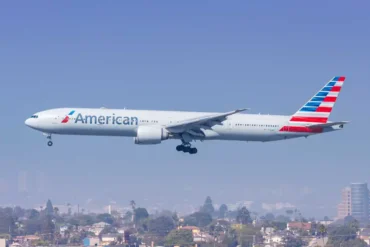
Among the most closely watched premium products in North America is American Airlines’ Flagship Business Class onboard the Boeing 777-300ER. Serving some of the airline’s most important long-haul routes, this aircraft remains a cornerstone of transatlantic and transpacific operations. Yet in 2026, the question many travelers continue to ask is straightforward: how much does a Flagship Business seat on the Boeing 777-300ER actually cost?
The answer depends heavily on route, travel season, booking timing, and whether the aircraft has received its latest cabin retrofit. Nevertheless, examining current fare trends provides a clear picture of what passengers can realistically expect to pay when booking one of American Airlines’ most recognizable premium products.
Understanding American Airlines Flagship Business Class On The Boeing 777-300ER
American Airlines operates a fleet of Boeing 777-300ER aircraft that form the backbone of its highest-profile international network. These aircraft connect major U.S. hubs with financial centers and leisure destinations across Europe, Asia, and South America.
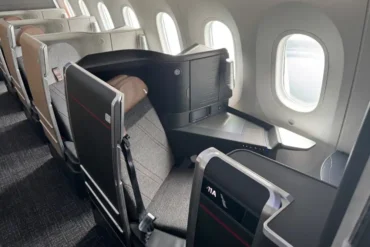
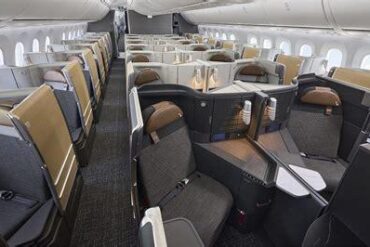
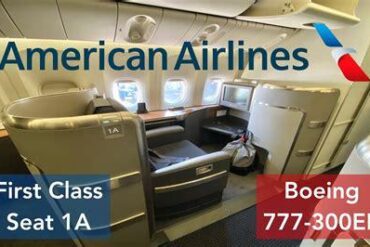
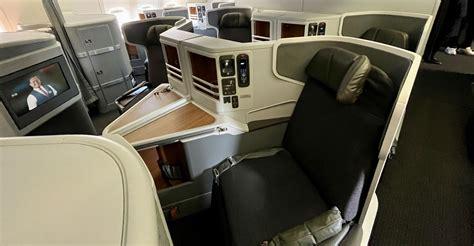
The current Flagship Business Class cabin utilizes the widely respected Safran Cirrus reverse-herringbone seat design. Arranged in a spacious 1-2-1 configuration, every passenger enjoys direct aisle access, eliminating the need to climb over neighboring travelers during long-haul flights.
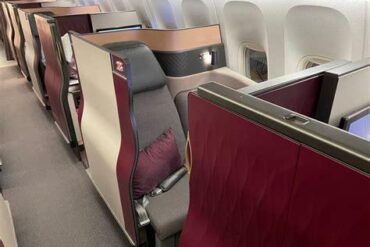
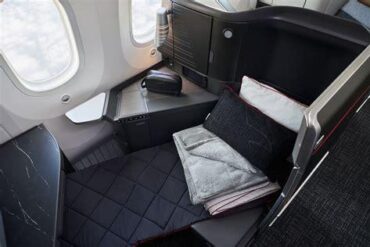
Passengers receive a fully flat bed measuring approximately 78 inches in length, ample personal storage space, universal power outlets, USB connectivity, and a high-definition entertainment screen. While the product remains competitive, it faces increasingly intense competition from newer-generation business class suites introduced by airlines such as Qatar Airways, Singapore Airlines, and Cathay Pacific.
Rather than focusing solely on luxury, American Airlines has traditionally positioned Flagship Business as a practical premium product aimed at corporate travelers seeking reliability, comfort, and efficient productivity during long international flights.
After several years of serving as a dependable workhorse, the 777-300ER fleet is now entering a major transformation phase that will significantly alter the onboard experience over the coming years.
Why Business Class Prices Have Become So Volatile In 2026
Premium cabin pricing has evolved dramatically over the past decade. Fixed pricing models have largely disappeared, replaced by dynamic systems capable of reacting instantly to market conditions.
A seat that costs $3,000 today may cost $4,500 tomorrow if demand spikes. Likewise, a fare that appears prohibitively expensive several months before departure may fall substantially during a temporary sales window.
Several factors contribute to these fluctuations:
- Seasonal travel demand
- Corporate booking activity
- Fleet availability
- Competitor pricing actions
- Major holidays and events
- Economic conditions
- Currency exchange movements
For business class passengers, these variables create an environment where pricing often resembles stock market volatility more than traditional airline fare structures.
The result is that no single price accurately reflects the cost of an American Airlines Flagship Business ticket. Instead, travelers must think in terms of realistic pricing ranges.
Typical American Airlines 777-300ER Business Class Fares In 2026
Across the airline’s long-haul network, one-way business class fares generally begin around $2,000 during lower-demand periods and can exceed $11,000 during peak travel windows.
Most travelers purchasing tickets well in advance will encounter prices somewhere between these extremes.
Transatlantic routes often provide the most predictable pricing environment. Competition remains fierce, keeping fares relatively constrained despite strong corporate demand.
Meanwhile, transpacific services exhibit substantially greater volatility. Routes to Japan, in particular, can experience massive pricing swings depending on tourism trends, business travel patterns, and seasonal demand.
A realistic breakdown of 2026 one-way fare ranges includes:
- New York (JFK) to London Heathrow (LHR): approximately $2,100 to $7,000
- New York (JFK) to Paris (CDG): approximately $2,800 to $7,500
- Miami (MIA) to São Paulo (GRU): approximately $3,000 to $6,000
- Dallas/Fort Worth (DFW) to Tokyo (HND): approximately $3,100 to $8,500
In exceptional circumstances, last-minute bookings can push prices beyond $10,000 and occasionally approach $11,000 on high-demand routes.
These numbers highlight why premium travelers increasingly monitor fare trends rather than purchasing tickets immediately after identifying travel dates.
The New York To London Route Remains The Ultimate Benchmark
No premium aviation corridor generates more revenue than the route connecting New York and London.
The JFK–Heathrow market serves as the benchmark against which many business class products are measured. It is also among the most fiercely contested airline routes in the world.
American Airlines faces competition from British Airways, Virgin Atlantic, Delta Air Lines, and several additional premium-focused carriers. This constant rivalry helps keep pricing relatively disciplined despite enormous demand.
On this route, travelers can commonly find Flagship Business fares between $2,500 and $6,000 when booking strategically. During peak summer travel periods, major holidays, and periods of intense corporate demand, prices can climb toward five figures.
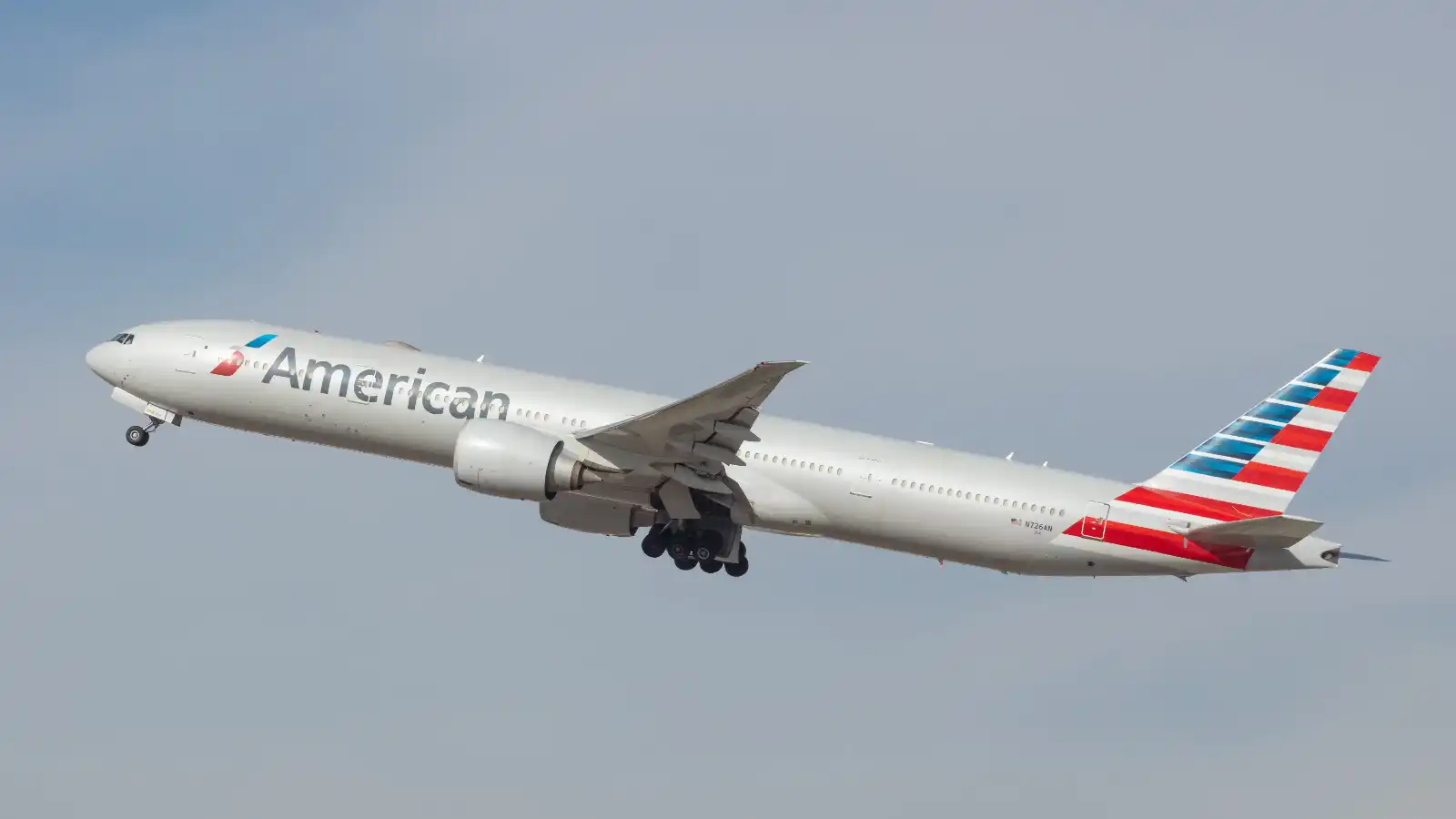
What makes the route particularly interesting is that pricing often remains closely aligned between American Airlines and British Airways due to their joint venture partnership.
While ticket prices may appear nearly identical, the onboard experience can differ considerably. Travelers therefore find themselves comparing not only fare levels but also seat design, privacy, catering, lounge access, and overall cabin atmosphere.
For many premium flyers, choosing the best business class option on the Atlantic involves far more than simply selecting the lowest fare.
What Travelers Receive For The Money
At first glance, spending several thousand dollars on a one-way airline ticket may appear excessive. However, the value proposition becomes clearer when considering the complete package.
Flagship Business passengers receive priority check-in, accelerated security access at participating airports, premium lounge access, priority boarding, enhanced baggage allowances, elevated dining options, and lie-flat seating.
The greatest value emerges on overnight routes where arriving rested can significantly impact productivity.
A traveler flying from New York to London in economy may lose an entire workday due to fatigue. By contrast, a traveler arriving after several hours of quality sleep in a lie-flat bed may step directly into meetings with minimal disruption.
For corporate travelers, that productivity benefit often justifies the premium.
For leisure travelers, the appeal lies in transforming a stressful long-haul flight into a far more comfortable experience.
The Growing Impact Of The Boeing 777-300ER Retrofit Program
American Airlines is currently undertaking one of the most significant cabin transformation projects in its history.
The airline is removing its traditional Flagship First Class section from the Boeing 777-300ER fleet. In its place, American is dramatically expanding business class capacity.
The existing configuration includes four cabin classes, but future layouts will prioritize premium business seating. The revamped aircraft will feature approximately 70 business class seats, creating one of the largest premium cabins in the airline’s fleet.
The retrofit introduces several notable improvements.
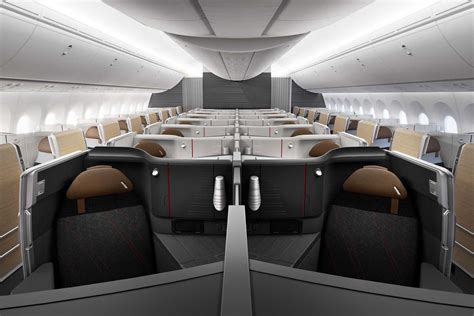
Passengers will gain access to the new Adient Ascent suite platform featuring privacy doors, Bluetooth audio connectivity, enhanced storage solutions, and wireless charging capabilities.
The updated cabin also introduces Flagship Suite Preferred seating, offering additional premium touches for travelers willing to pay more.
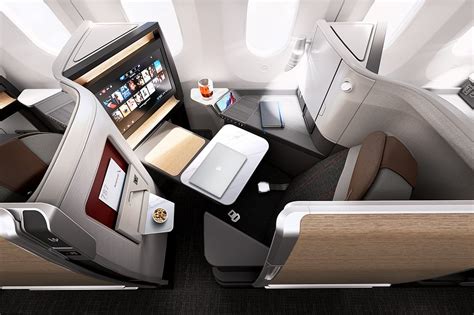
Importantly, these enhancements arrive without creating an entirely separate business class product. Instead, they elevate the overall experience while maintaining the airline’s focus on premium corporate travel.
For many travelers, the retrofit may ultimately increase perceived value more than it increases actual ticket prices.
Can Frequent Flyer Miles Deliver Better Value?
For travelers unwilling to spend several thousand dollars in cash, the AAdvantage loyalty program remains one of the most attractive alternatives.
Award pricing continues to fluctuate due to dynamic pricing systems, but saver-level redemptions can still provide exceptional value.
A typical transatlantic Flagship Business award often starts around 57,500 miles one-way. During periods of elevated demand, pricing commonly rises toward 70,000 miles or beyond.
Even at 70,000 miles, many travelers view these redemptions as an excellent deal.
A ticket that might otherwise cost $4,000 or $5,000 in cash can often be secured through accumulated loyalty points. This creates a substantial value proposition for travelers who earn miles through flying activity, co-branded credit cards, or partner promotions.
The challenge lies in availability.
High-demand routes such as New York to London frequently experience intense competition for saver-level award inventory. Travelers seeking the best redemption rates often need to plan many months ahead.
Flexibility becomes one of the most powerful tools available to award travelers.
Those willing to adjust departure dates or consider alternative gateways frequently uncover significantly better redemption opportunities.
Why European-Originating Tickets Can Cost Less
One of the lesser-known strategies among experienced premium travelers involves beginning journeys outside the United States.
Airline pricing structures vary substantially by country. Due to competitive pressures, taxation differences, and local market conditions, business class tickets originating in Europe can occasionally cost thousands of dollars less than identical itineraries beginning in the United States.
For example, a round-trip itinerary starting in London, Paris, Madrid, or Dublin may be significantly cheaper than the same journey purchased from an American departure point.
Frequent international travelers often take advantage of these pricing disparities through strategic ticket construction.
While not practical for every traveler, this approach demonstrates how international fare structures can create substantial savings opportunities for those willing to think beyond traditional booking patterns.
Is American Airlines Flagship Business Worth The Price In 2026?
The answer depends largely on expectations.
Travelers seeking the world’s most private or luxurious business class product may find stronger alternatives elsewhere. Airlines such as Qatar Airways and Singapore Airlines continue to set industry benchmarks for premium cabin innovation.
However, American Airlines offers something many corporate travelers prioritize above all else: consistency.
The current reverse-herringbone seat remains comfortable, practical, and proven. The upcoming suite-equipped retrofit promises meaningful improvements without fundamentally altering the product’s strengths.
When purchased at the lower end of the pricing spectrum, particularly between $2,500 and $4,000 on major transatlantic routes, Flagship Business often represents solid value relative to competing premium offerings.
The economics become even more attractive when booked using miles or when travelers capitalize on favorable international fare structures.
As American Airlines continues modernizing its Boeing 777-300ER fleet through 2028, the airline is positioning itself to compete more aggressively for premium travelers who demand comfort, privacy, and productivity on long-haul journeys.
For passengers evaluating the true cost of a Flagship Business seat in 2026, the reality is clear: while fares can range from roughly $2,000 to more than $11,000 depending on circumstances, strategic booking, flexible travel planning, and intelligent use of loyalty rewards can dramatically reduce the amount paid. The result is a premium travel experience that remains one of the most important components of American Airlines’ international strategy and one of the most closely watched business class products in the global aviation market.