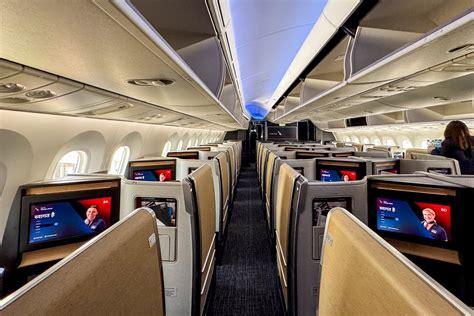
For years, the battle for premium travelers crossing the Atlantic has revolved around more than schedules and loyalty programs. The modern business class war is now about privacy doors, lounge cocktails, mileage redemption rates, bedding partnerships, and even subtle differences in cabin lighting. On paper, Delta Air Lines and American Airlines both offer fully lie-flat seats to Europe. In reality, the pricing gap between Delta One Suite and American Airlines Flagship Business reveals two very different airline strategies.
Delta increasingly sells itself as a luxury lifestyle brand disguised as an airline. American Airlines, meanwhile, competes more aggressively on network utility, frequent flyer loyalty, and overall seat availability. That distinction becomes incredibly obvious when comparing what passengers actually pay on transatlantic routes.
Travelers shopping for business class flights from New York, Boston, Atlanta, Chicago, Los Angeles, or Miami to Europe often discover something surprising: Delta routinely charges dramatically higher fares than American Airlines for a broadly similar journey. Sometimes the difference is marginal. On other dates, Delta One can cost nearly double.
The question is whether Delta’s premium positioning genuinely justifies the higher price.
By 2026, the answer depends heavily on which aircraft appears at the gate.
The modern transatlantic premium market has become increasingly fragmented. A passenger booking Delta One may end up with one of several very different seat products depending on aircraft assignment, while American Airlines has quietly built one of the more consistent long-haul business class fleets among US carriers.
That inconsistency in Delta’s fleet is one of the industry’s most fascinating contradictions. Delta commands luxury-level fares while still operating many aging Boeing 767 cabins with business class seats dating back to the late 2000s.
American, despite carrying a weaker premium brand reputation, often delivers a more uniformly modern hard product.
Delta’s Premium Pricing Power Is Reshaping Transatlantic Competition
Delta Air Lines has spent more than a decade carefully transforming its image. The airline no longer markets itself simply as transportation. It markets exclusivity, refinement, reliability, and upscale experiences.
That strategy has worked.
Corporate travelers, high-income leisure passengers, and premium credit card holders increasingly view Delta as the “premium” US carrier, even though international business class products among major airlines have largely converged technologically.
On routes from New York-JFK to London Heathrow, Paris, Amsterdam, or Rome, Delta frequently prices Delta One at levels far above American Airlines Flagship Business. While American may offer roundtrip fares between $3,000 and $5,000 during softer demand periods, Delta can push fares beyond $7,000 or even $10,000 on peak departures.
This pricing strategy is not accidental.
Delta understands that premium travelers are often less price sensitive when purchasing nonstop flights with strong schedules, newer lounges, and better operational reliability. The airline leverages customer perception as aggressively as it leverages aircraft utilization.
The airline’s dominance in New York particularly strengthens this advantage. Delta invested billions building JFK and LaGuardia into fortress hubs capable of attracting lucrative corporate traffic. American Airlines never achieved comparable scale in New York and instead relies heavily on Philadelphia for transatlantic connectivity.
That imbalance matters because New York remains America’s single most important premium travel market.
Delta’s stronger corporate contracts and premium brand recognition allow it to sustain fares that American often cannot match consistently.
What Delta One Suite Actually Costs On Europe Routes
A realistic look at Delta One pricing quickly shows how aggressively the airline monetizes premium demand.
On major business-heavy routes like JFK to Heathrow, roundtrip Delta One fares commonly fluctuate between:
- $4,500 to $6,500 during moderate demand
- $7,000 to $10,000+ during peak business travel periods
- Occasionally above $12,000 close to departure
Flights originating in Europe can become even more expensive. Delta often charges significantly higher fares for itineraries beginning in London, Amsterdam, or Paris compared with equivalent US-originating tickets.
Los Angeles routes produce similarly elevated numbers. Although Delta does not directly operate Los Angeles to London with its own aircraft, its joint venture with Virgin Atlantic frequently prices premium seats at exceptionally high levels.
This reflects a broader industry truth: Delta increasingly behaves like a global premium carrier rather than a legacy network airline.
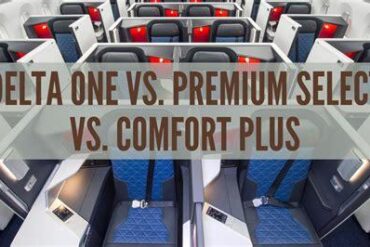
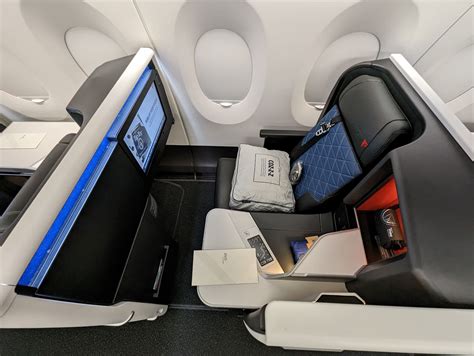
Part of the appeal comes from the Delta One Suite itself. Introduced in 2017 aboard the Airbus A350-900, the suite represented a major leap forward for US airlines. Sliding privacy doors, upgraded bedding, refined lighting, and elegant finishes immediately differentiated Delta from competitors still operating exposed business class layouts.
The suite remains visually impressive even in 2026.
Passengers receive:
- Full-height privacy dividers
- Direct aisle access
- Large entertainment screens
- Enhanced storage space
- Premium dining service
- Westin Heavenly bedding
- Access to Delta One Lounges
The soft product consistently earns praise. Delta flight attendants are generally regarded as friendlier and more polished than American’s crews, especially in premium cabins.
Yet there is a catch many travelers discover only after booking.
Not every Delta One seat is actually a Delta One Suite.
Delta’s Fleet Inconsistency Creates A Hidden Value Problem
This is where the economics become complicated.
Delta advertises an aspirational flagship experience, but a large portion of its long-haul fleet still uses older seats lacking the suite doors and spacious layouts seen in marketing campaigns.
Many Boeing 767-300ER aircraft still feature outdated Thompson Vantage seats with limited privacy and relatively small entertainment monitors. Some Airbus A330 variants continue using older Safran Cirrus seats introduced nearly two decades ago.
The result is a surprisingly inconsistent passenger experience.
A traveler paying $8,000 for Delta One from JFK to Paris on an Airbus A350 receives one of the best business class products operated by a US airline.
A traveler paying similar money on a Boeing 767-300ER to Lisbon may receive a noticeably older experience with tighter footwells, narrower surfaces, and less privacy.
This disparity becomes more obvious when comparing Delta against international competitors like Qatar Airways, Air France, or even British Airways’ newer Club Suite cabins.
Delta’s strength lies less in hard product consistency and more in overall brand execution. Operational reliability, customer service, airport lounges, and premium perception help compensate for older aircraft interiors.
Still, savvy travelers increasingly pay attention to aircraft types before booking.
The Airbus A350-900 and Airbus A330-900neo remain the true stars of Delta’s long-haul fleet because they offer the full Delta One Suite experience.
American Airlines Flagship Business Quietly Delivers Better Hardware Consistency
American Airlines rarely receives the same premium acclaim as Delta, but its business class fleet evolution tells a different story.
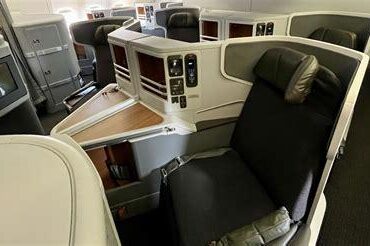
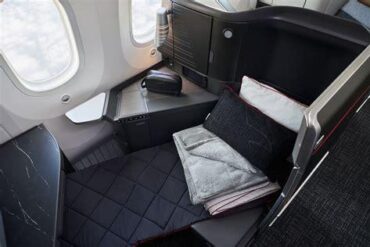
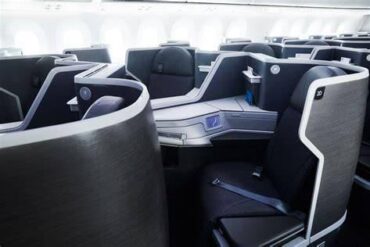
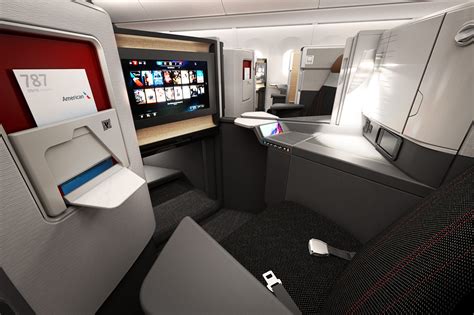
While Delta still operates multiple aging configurations, American’s widebody fleet is increasingly standardized around reverse herringbone seating — a layout widely considered one of the industry’s most comfortable business class designs.
Passengers flying Flagship Business on Boeing 777s and Boeing 787s typically receive:
- Direct aisle access
- Consistent seat geometry
- Large entertainment displays
- Better footwell spacing
- Competitive bedding
- International lounge access
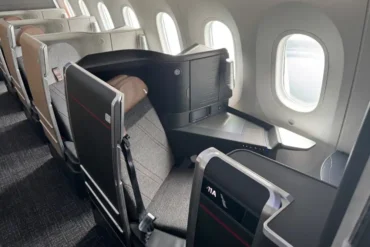
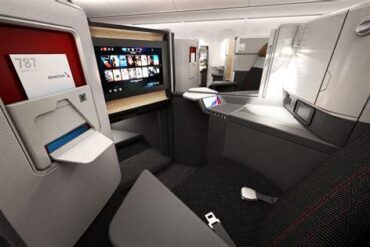
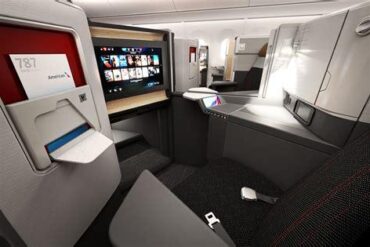
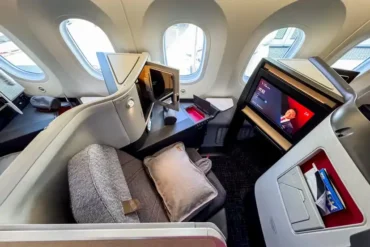
The airline’s newer Flagship Suites aboard recently delivered Boeing 787-9 aircraft elevate the experience even further. These suites finally introduce sliding privacy doors to American’s business class product and represent the carrier’s strongest premium offering in decades.
Unlike Delta, American’s older seats generally still feel modern enough to compete effectively.
The Collins Super Diamond seat installed across much of the fleet remains highly respected globally. Even the Safran Concept D configuration, despite its alternating forward and rear-facing layout, offers substantial privacy and comfort.
This consistency creates a surprising advantage.
Passengers booking American Flagship Business are less likely to encounter dramatic quality swings between aircraft types. The experience may not feel as polished as Delta’s best cabins, but it also avoids Delta’s steep decline on older 767 routes.
Why American Airlines Usually Costs Less
American Airlines simply lacks Delta’s pricing power.
That reality shapes nearly every transatlantic fare strategy.
In New York, Delta dominates JFK while American operates a comparatively smaller network. In Atlanta, Delta controls one of the world’s largest airline hubs. In Boston and Seattle, Delta has aggressively expanded premium traffic capture.
American instead relies heavily on Philadelphia and Charlotte for transatlantic flows, which changes customer demographics and pricing dynamics.
The airline also made a strategic mistake during the 2010s by moving downmarket operationally. Cost-cutting decisions weakened customer perception among premium travelers, particularly business passengers accustomed to international luxury standards.
As a result, American often competes more directly on value.
Typical Flagship Business fares between the US and Europe commonly range between:
- $2,500 to $4,500 roundtrip during moderate demand
- $5,000 to $7,000 during strong seasonal peaks
- Occasionally higher near departure windows
Even on identical city pairs, American frequently undercuts Delta by 20% to 40%.
That gap can become enormous for families, small businesses, or self-funded leisure travelers booking multiple premium tickets.
In practical terms, a couple flying roundtrip business class to Europe may save $4,000 or more choosing American over Delta.
That difference alone can pay for luxury hotels, Michelin-star dining, or an entire secondary intra-Europe vacation segment.
The Loyalty Program Equation Changes The Value Calculation
Award redemptions further widen the divide.
Delta SkyMiles has become infamous for unpredictable dynamic pricing. Redemption costs regularly exceed 200,000 miles one-way for Delta One flights to Europe during busy periods.
Even lower-priced awards frequently hover above 100,000 miles.
The absence of a published award chart creates uncertainty for travelers trying to maximize value.
American Airlines AAdvantage remains far more consumer-friendly by comparison. Although dynamic pricing has increased variability, travelers still regularly find Flagship Business awards between 57,000 and 75,000 miles each way.
This difference substantially affects perceived affordability.
A traveler holding transferable credit card points may redeem business class flights to Europe through American’s ecosystem far more efficiently than through Delta’s.
Delta compensates with stronger customer loyalty engagement, superior app functionality, and a broader premium consumer ecosystem linked to American Express partnerships.
But pure redemption value still favors American.
Delta One Lounges Are Changing Premium Expectations
One area where Delta genuinely separates itself is the ground experience.
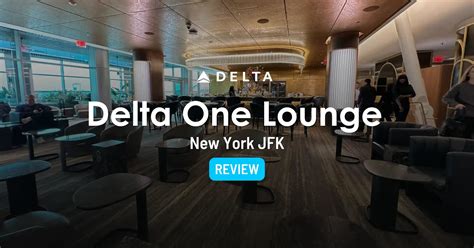
The new Delta One Lounges have rapidly become among the most impressive airline-operated business class lounges in the world.
Instead of crowded buffet-heavy spaces, Delta introduced restaurant-quality dining, spa-inspired interiors, curated cocktail programs, and quieter environments aimed at high-end travelers.
The lounges feel intentionally luxurious rather than purely functional.
That matters because premium travel increasingly begins long before boarding.
For travelers departing from JFK, Los Angeles, or Boston, the lounge experience can meaningfully influence airline choice.
American’s Flagship Lounges remain solid but comparatively conservative. They offer quality food, showers, and premium seating, yet they lack the elevated design language and exclusivity Delta now emphasizes.
This explains part of Delta’s sustained pricing advantage.
The airline sells an end-to-end premium journey, not just a seat.
Which Airline Offers Better Transatlantic Business Class Value?
The answer depends entirely on traveler priorities.
Delta delivers a stronger luxury atmosphere, more polished service consistency, and superior premium lounges. On flagship aircraft like the Airbus A350-900, Delta One Suite absolutely deserves recognition as one of the best business class products operated by a US airline.
However, Delta also charges extraordinary premiums for that reputation.
American Airlines often delivers surprisingly competitive hard products at significantly lower fares. The airline’s newer Flagship Suites narrow the gap even further, while its broader consistency across aircraft creates fewer unpleasant surprises.
For travelers prioritizing absolute luxury and willing to pay for it, Delta remains compelling.
For travelers focused on maximizing overall value, American frequently wins the transatlantic business class equation.
The irony is striking.
Delta built the stronger brand, yet American increasingly operates the more rationally priced premium cabin.
As transatlantic competition intensifies and newer aircraft enter service, the gap between perception and product may narrow further. But for now, Delta continues proving that in aviation, branding can be almost as profitable as the seat itself.