Long-haul travel across oceans is no longer just about getting from point A to point B—it’s about how you endure (or enjoy) the journey. Stretching anywhere from six to fifteen hours, transoceanic flights demand a level of comfort that economy cabins often struggle to provide. That’s where business class steps in, offering a dramatically upgraded experience defined by lie-flat beds, premium dining, and elevated privacy. But one pressing question remains for most travelers: how much does it actually cost to upgrade to business class on a transoceanic flight?
The answer isn’t simple, because pricing varies wildly depending on route, airline strategy, timing, and demand. However, patterns do emerge across major markets like the Atlantic and Pacific. Understanding these patterns—and the tactics airlines use—can make the difference between overpaying thousands and scoring a surprisingly affordable upgrade.
Understanding the True Value of Business Class Upgrades
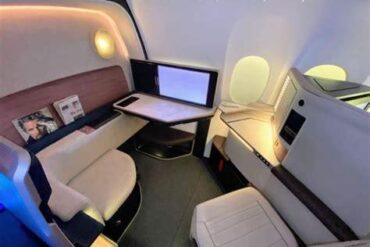
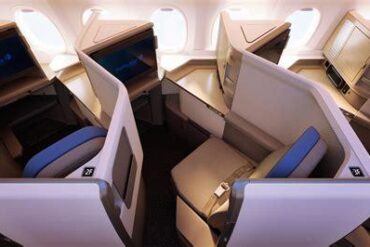
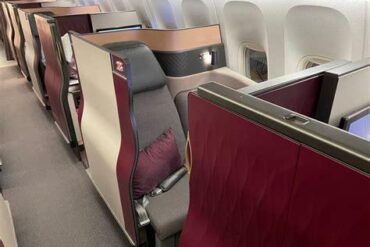
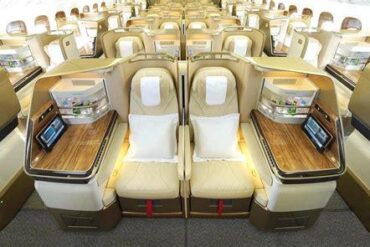
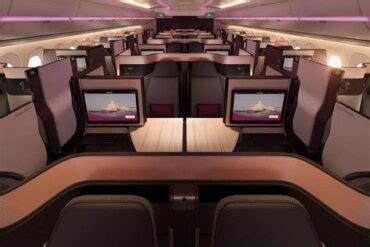
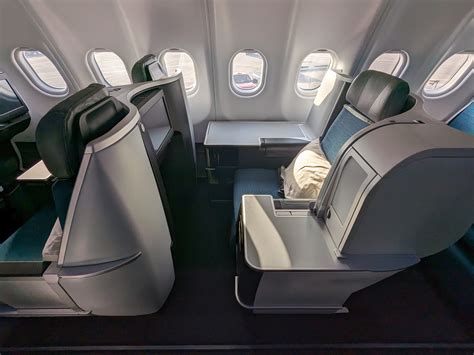
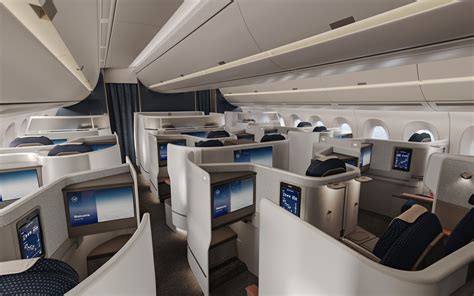
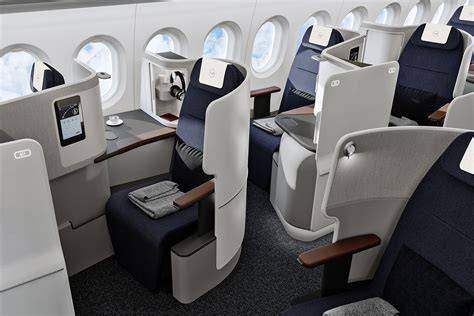
Business class is no longer just a bigger seat—it’s an entirely different ecosystem. On most long-haul aircraft, it sits as the premium standard, especially now that many airlines have reduced or eliminated international first class. Modern business cabins often feature direct aisle access, fully flat beds, privacy doors, and restaurant-style service, making them feel closer to private suites than airplane seats.
This leap in comfort explains the dramatic pricing gap. While economy gets you across the ocean, business class transforms the journey into something restorative rather than exhausting. Airlines know this—and they price it accordingly.
The key distinction is whether you’re buying business class outright or upgrading from a lower cabin. Full fares are notoriously high, but upgrades—when available—can offer a much more attractive path.
Transatlantic Upgrade Costs: The US to Europe Corridor
The transatlantic market is one of the busiest and most competitive aviation corridors in the world. Flights between North America and Europe typically range from six to twelve hours, making them ideal candidates for business class upgrades—long enough to justify the comfort, but short enough to keep demand consistently high.
Economy tickets on these routes usually fall between $750 and $1,000 roundtrip, while business class fares often range from $3,500 to over $5,000. That means passengers are typically paying three to five times more for a premium experience.
However, upgrading tells a different story. Airlines frequently offer paid upgrade options when business class cabins are not fully booked. These can appear at several stages:
- During the booking process
- Via email offers before departure
- At online check-in
- At the airport gate
In many cases, upgrade costs range from $300 to $1,000 per segment, depending on demand and timing. This creates a sweet spot where savvy travelers can enjoy business class without paying full fare.
The reason prices remain relatively high in this market comes down to airline alliances. Joint ventures between major carriers allow them to coordinate schedules and pricing, effectively reducing competition. While smaller carriers exist, they lack the scale to significantly disrupt pricing trends.
Transpacific Upgrade Costs: The US to Asia Market
If the Atlantic feels expensive, the Pacific takes it to another level. Flights between North America and Asia often exceed ten hours, with some routes stretching well beyond that. The longer duration amplifies the value of business class—but also its cost.
Economy fares on these routes generally range from $1,000 to $2,000, while business class tickets routinely cost $4,000 to over $10,000 roundtrip. The premium is steeper here, reflecting both distance and demand.
Upgrades, however, can still present opportunities. While less predictable than in the transatlantic market, upgrade offers typically fall between $500 and $2,000 per segment, though exceptional deals can dip lower when demand is weak.
Several factors drive these higher prices:
- Longer flight durations, increasing perceived value
- Reduced competition, particularly due to limited routes
- High business travel demand, especially between major financial hubs
- Capacity constraints, including fewer available flights
Interestingly, despite higher overall costs, transpacific routes have historically been cheaper per mile. That dynamic has shifted in recent years due to reduced competition and constrained airline capacity, pushing upgrade prices upward.
When Upgrade Prices Drop Dramatically
Timing is everything when it comes to upgrading. Airlines operate with sophisticated revenue management systems designed to maximize profit on every seat. If business class isn’t selling as expected, prices can drop—sometimes dramatically.
This is when upgrade opportunities become especially appealing. The closer you get to departure, the more likely airlines are to release discounted upgrades to fill empty premium seats.
Travelers who remain flexible and attentive often benefit the most. Late-stage upgrades at check-in or the gate can sometimes cost a fraction of their original price, particularly on less busy flights or routes with weaker demand.
Some airlines even specialize in offering attractive upgrade deals on newer or less competitive routes, where premium cabins may not yet be consistently full.
The Bidding System: A Strategic Gamble
Another increasingly popular method is the upgrade bidding system, where passengers submit an offer for a business class seat. Airlines then evaluate bids and allocate upgrades based on the highest offers.
This system introduces an element of strategy. Bid too low, and you miss out. Bid too high, and you may overpay compared to what others offered. Still, it often results in better-than-market pricing, especially for travelers willing to take calculated risks.
The key advantage here is flexibility—you control how much you’re willing to spend. The downside is uncertainty, as there’s no guarantee your bid will be accepted.
Using Miles and Loyalty Programs for Upgrades
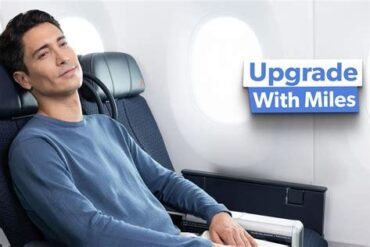
Frequent flyer programs remain one of the most effective ways to upgrade without paying full cash prices. By redeeming miles, travelers can significantly reduce out-of-pocket costs—though this path has become more complex in recent years.
Airlines have shifted toward spend-based loyalty systems, meaning miles are harder to accumulate unless you’re spending heavily. Additionally, award pricing often fluctuates with cash fares, reducing the predictability that once made mileage redemptions so valuable.
Even so, miles can still unlock excellent value, especially when used strategically. Upgrade awards often require fewer miles than booking business class outright, making them an appealing compromise.
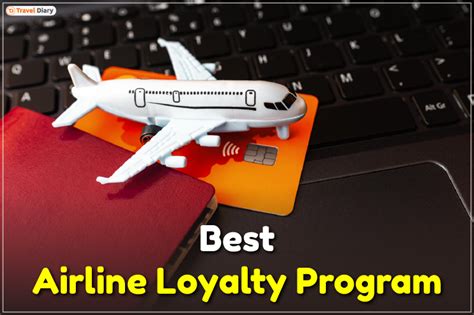
Elite status adds another layer of opportunity. High-tier frequent flyers often receive upgrade certificates, which can be applied to long-haul flights. These certificates are among the most valuable perks in airline loyalty programs, effectively bypassing the need for cash or miles in certain cases.
Why Business Class Prices Remain So High
There’s a simple reason business class remains expensive: people are willing to pay for it. Demand has surged in recent years, driven not only by corporate travel but also by premium leisure travelers willing to splurge for comfort.
At the same time, airlines have become exceptionally skilled at segmenting customers and extracting maximum value. By offering multiple upgrade paths—cash, miles, bidding—they ensure that nearly every premium seat generates revenue.
Other contributing factors include:
- Limited aircraft availability, due to manufacturing delays
- Reduced competition, especially on key long-haul routes
- Strategic alliances, which stabilize pricing
- Growing premium demand, particularly post-pandemic
These dynamics create a market where discounts exist—but only under specific conditions.
How to Secure the Best Upgrade Deals
Finding a good deal requires both awareness and timing. Travelers who approach upgrades strategically often pay far less than those who simply accept the first offer.
Key approaches include monitoring upgrade offers closely, remaining flexible with travel dates, and booking flights that historically have lower premium demand. Routes to secondary cities or less competitive markets can sometimes yield better upgrade pricing.
Additionally, checking upgrade options multiple times—even after booking—can reveal price drops as departure approaches. Airlines frequently adjust pricing dynamically, meaning what’s expensive today might be surprisingly affordable tomorrow.
The Future of Business Class Upgrade Pricing
Looking ahead, business class pricing is unlikely to become more affordable in a broad sense. Airlines are doubling down on premium cabins, investing heavily in upgraded seats and enhanced onboard experiences. As a result, they’re increasingly focused on maximizing revenue from these cabins.
However, the variety of upgrade options will continue to expand. Expect to see more dynamic pricing, personalized offers, and hybrid models combining cash and miles. While full fares may rise, opportunistic upgrades will remain a key entry point for travelers seeking value.
At the same time, loyalty programs will continue evolving, making it both harder and more rewarding to earn meaningful upgrades. Travelers who understand these systems—and adapt to them—will consistently come out ahead.
Final Perspective: Is It Worth the Upgrade?
The cost of upgrading to business class on a transoceanic flight can range from a few hundred dollars to several thousand. That’s a wide spectrum—but it reflects the equally wide range of experiences available.
For some, the ability to sleep comfortably, arrive refreshed, and enjoy premium service is worth every dollar. For others, the upgrade only makes sense when priced strategically.
The real opportunity lies in understanding how the system works. Airlines may set high baseline prices, but they also create multiple pathways for travelers to access premium cabins at reduced rates. Those who pay attention, stay flexible, and act at the right moment often find themselves enjoying business class for far less than expected.
And once you’ve stretched out on a lie-flat seat somewhere over the ocean, it becomes much harder to go back.