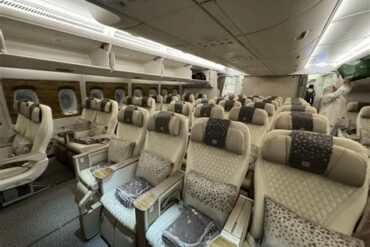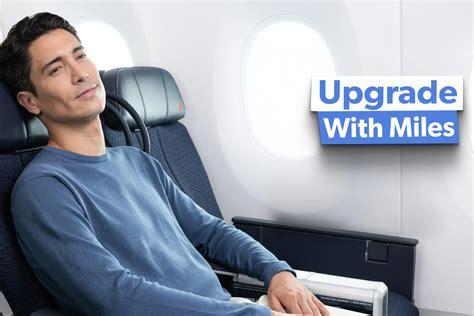
Upgrading to premium economy is one of the most strategically misunderstood decisions in modern air travel. It looks simple on the surface—pay more, get more comfort—but beneath that simplicity lies a complex pricing ecosystem driven by airline revenue management, fluctuating demand, and timing. The real question is not just how much it costs, but when and how to pay the least for the most value.
In today’s aviation market, premium economy has evolved into a powerful middle ground between affordability and comfort. For travelers who want meaningful upgrades without the steep cost of business class, it represents a calculated investment. Yet the price of that investment can vary dramatically—from modest add-ons to surprisingly steep premiums.
Understanding the True Cost of Premium Economy Upgrades
The cost to upgrade to premium economy is not fixed. It is dynamically priced based on variables such as route demand, seasonality, seat availability, fare class, and booking timing. This means two passengers on the same flight could pay vastly different amounts for the exact same seat.
On average, travelers encounter three broad pricing scenarios:
- Low-end upgrade offers: $100 to $400 (typically short-haul or last-minute availability)
- Mid-range upgrades: $300 to $800 (common for long-haul routes with moderate demand)
- High-end upgrades: $800 to $1,500+ (peak routes, limited inventory, or premium-heavy flights)
What makes this even more unpredictable is that airlines often change upgrade prices multiple times before departure, reacting to booking trends in real time.
By comparison, booking premium economy outright at the time of purchase typically costs 50% to 150% more than economy, sometimes even exceeding double the base fare. This creates an intriguing dilemma: pay upfront for certainty or wait for a potentially cheaper upgrade later.
Why Premium Economy Exists: The Revenue Strategy Behind the Cabin
Premium economy is not just about passenger comfort—it is a deliberate revenue optimization tool. Airlines designed this cabin to bridge the massive gap between economy and business class, capturing travelers who are willing to pay more—but not too much more.
From a strategic standpoint, premium economy allows airlines to:
- Extract higher revenue per seat without significantly increasing operating costs
- Offer a tiered pricing structure that matches different passenger budgets
- Upsell travelers seeking comfort without diluting the exclusivity of business class
This cabin has become especially important on long-haul routes, where passengers are more sensitive to comfort but still conscious of cost.
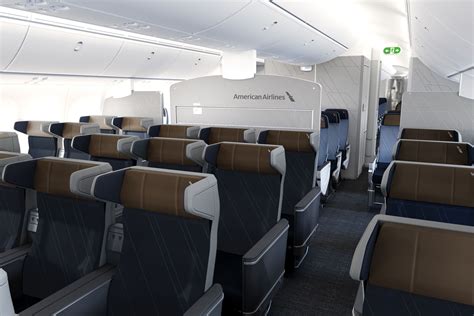
The result is a carefully engineered product: wider seats, more legroom, enhanced meals, and priority services, all priced just high enough to maximize revenue without pushing customers into business class territory.
How Airlines Actually Price Upgrade Offers
Airlines use several different models to sell premium economy upgrades, and each one impacts the price you ultimately pay.
1. Fixed-Price Upgrades
Some carriers provide predictable, flat-rate upgrades that can be purchased after booking. These are often seen with European airlines and are typically offered through the airline’s website or at check-in.
The advantage is clarity—you know exactly what you’re paying. The downside is that these prices are often less flexible and rarely discounted significantly.
2. Dynamic Cash Offers
This is the most common system today. Airlines send targeted upgrade offers via email or display them during online check-in.
Prices fluctuate constantly, sometimes dropping significantly close to departure if seats remain unsold. In one real-world scenario, a fare difference of nearly $1,000 at booking was later reduced to just $275 per segment as a post-booking upgrade.
3. Bid-Based Upgrades
Some airlines allow passengers to bid for upgrades, turning the process into a calculated gamble. You submit an offer, and the airline accepts or rejects it based on demand.
This system introduces uncertainty but can yield excellent value if you time it correctly and bid strategically.
Booking vs Upgrading: Which Is Actually Cheaper?
The key decision travelers face is whether to book premium economy outright or upgrade later. The answer depends heavily on timing and risk tolerance.
Booking upfront offers:
- Guaranteed seat in premium economy
- Ability to select preferred seats early
- Peace of mind, especially on busy routes
Upgrading later offers:
- Potentially lower cost if demand weakens
- Flexibility to decide closer to departure
- Opportunity to leverage airline promotions
However, waiting comes with risk. Flights with strong demand often sell out premium economy cabins early, leaving no upgrade opportunities at all.
The most cost-effective approach is often a hybrid strategy: monitor upgrade offers after booking economy and act when prices drop into a favorable range.
Real-World Pricing Examples Across Major Airlines
The variability in pricing becomes even clearer when examining major global carriers.
- American Airlines frequently offers post-booking upgrades that are significantly cheaper than the original fare difference, sometimes reducing costs by over 50%.
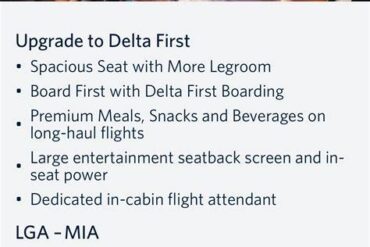
- Delta Air Lines uses highly dynamic pricing, with upgrade offers appearing at various stages and often reflecting real-time demand conditions.
- United Airlines maintains a mix of traditional mileage upgrades and dynamic pricing, giving travelers more structured options but less predictability in cost.
These examples highlight a crucial reality: there is no universal benchmark price. Instead, the upgrade cost is a moving target influenced by algorithms rather than fixed rules.
Using Miles to Upgrade: Hidden Value or Missed Opportunity?
Frequent flyer miles can be an effective way to upgrade—but only under the right conditions. Airlines increasingly price mileage upgrades dynamically, meaning the value of your miles can vary just as much as cash prices.
Typical mileage requirements range from:
- 15,000 to 30,000 miles for long-haul upgrades
- Higher amounts on premium routes or peak seasons
However, the actual value often mirrors cash pricing. In many cases, redeeming miles yields similar value per mile as standard ticket purchases, making it less of a “sweet spot” than travelers expect.
Still, mileage upgrades offer one major advantage: they reduce out-of-pocket cost, which can be appealing for budget-conscious travelers.
What You Actually Get for the Upgrade Price
The value of upgrading becomes clearer when examining what premium economy delivers beyond standard economy.
Passengers typically receive:
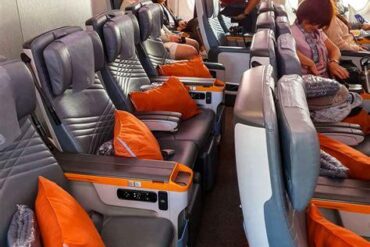
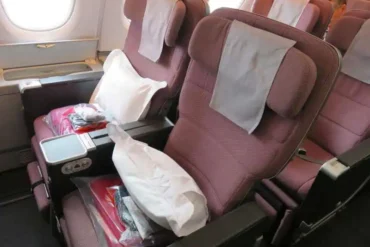
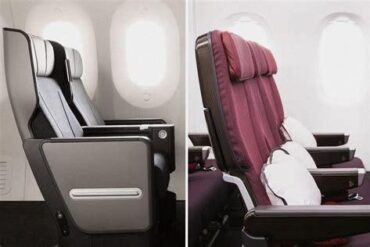
- Seat pitch of 38–42 inches, compared to 30–32 inches in economy
- Wider seats with greater recline
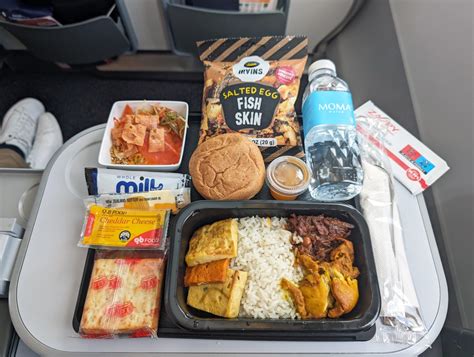
- Enhanced dining with upgraded meal service
- Larger entertainment screens and improved amenities
- Priority boarding and increased baggage allowance
This translates into a noticeably more comfortable experience, especially on flights exceeding six hours.
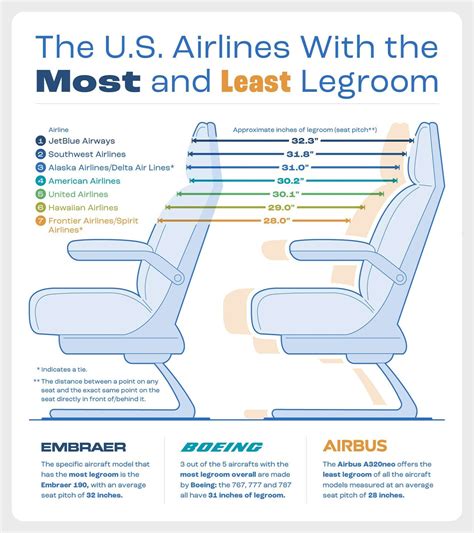
For long-haul journeys, the difference can be transformative—turning a physically exhausting flight into a manageable, even enjoyable experience.
When Upgrading Makes the Most Financial Sense
Not every upgrade is worth the price. The smartest travelers evaluate upgrades based on cost-per-hour of comfort gained.
Upgrading is most worthwhile when:
- The flight duration exceeds 6–8 hours
- The upgrade cost is under 50% of the original fare difference
- You value sleep, productivity, or reduced fatigue upon arrival
Conversely, upgrades on short flights or at inflated prices often deliver poor value relative to cost.
A practical benchmark is this: if the upgrade costs less than $50 per flight hour, it is often considered a strong value proposition.
Timing Strategies to Minimize Upgrade Costs
Timing is one of the most powerful factors in securing a good deal. Airlines release upgrade offers at multiple stages, and understanding when to act can significantly reduce costs.
Key moments to watch include:
- Immediately after booking: Early offers sometimes appear at discounted rates
- Two weeks before departure: Airlines begin adjusting inventory based on demand
- Check-in window (24–48 hours): Last-minute discounts often emerge if seats remain
Travelers who monitor these windows closely are far more likely to secure below-average upgrade prices.
The Bottom Line: A Dynamic Market, Not a Fixed Price
The cost of upgrading to premium economy is best understood not as a number, but as a range shaped by timing, demand, and strategy. While typical upgrades fall between $300 and $800 on long-haul flights, exceptional deals and inflated prices exist on both ends of the spectrum.
Ultimately, premium economy upgrades represent a balancing act between certainty and opportunity. Paying upfront guarantees comfort but may cost more, while waiting introduces risk but can unlock significant savings.
For travelers willing to stay flexible, monitor offers, and act decisively, premium economy is not just an upgrade—it is one of the most strategically valuable purchases in modern air travel.