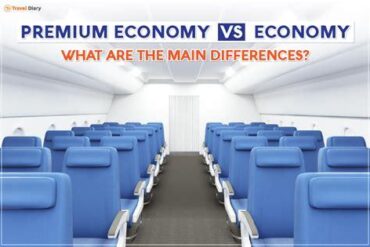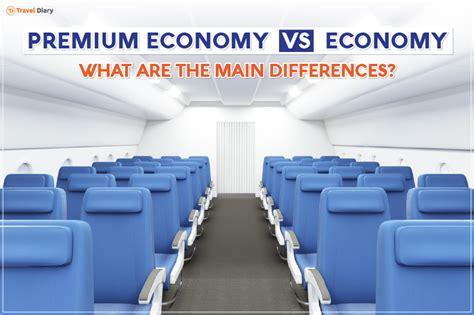
Air travel has evolved into a finely tiered marketplace where comfort, price, and perceived value intersect in increasingly sophisticated ways. Among the most notable developments is the rise of premium economy—a cabin class designed to bridge the gap between standard economy and business class. For travelers weighing their options, the central question remains straightforward yet nuanced: how much more does premium economy cost compared with economy, and is that additional expense justified?
The answer is far from static. Pricing varies widely depending on route, airline strategy, seasonal demand, and booking behavior. What appears to be a modest upgrade on one flight can become a substantial financial leap on another. Yet beneath these fluctuations lies a clear pattern: premium economy consistently occupies a middle ground, offering measurable comfort improvements at a price point that is significantly higher than economy but far below business class.
Understanding this balance requires more than a glance at ticket prices. It demands a closer examination of real-world fare data, airline pricing strategies, and the tangible benefits that define the premium economy experience. Only then can travelers make informed decisions that align with both their expectations and their budgets.
Breaking Down the Price Gap Between Premium Economy and Economy
At its core, premium economy pricing reflects its hybrid identity. Airlines position it as an aspirational yet attainable upgrade, targeting passengers who want more comfort without committing to the high cost of business class. This strategic positioning directly influences how fares are structured.
On long-haul routes, the price difference becomes particularly visible. A typical round-trip economy ticket between North America and Europe might fall within the range of $800 to $1,000. Premium economy fares on the same route frequently climb to between $1,400 and $2,000. This creates a gap that often ranges from $500 to over $1,000 per passenger.
In percentage terms, this translates to an average increase of roughly 50 to 85 percent above economy pricing. However, these figures are not fixed boundaries. During off-peak travel periods or promotional sales, the difference can shrink to as little as 30 percent. Conversely, during peak seasons or on high-demand routes, premium economy tickets can approach double the cost of economy fares.
What makes this variability particularly interesting is how it reflects airline revenue strategies. Premium economy is not priced purely based on cost—it is priced based on perceived value. Airlines carefully calibrate fares to ensure that the upgrade feels tempting but still profitable.
Why Long-Haul Flights Amplify the Cost Difference
Flight duration plays a decisive role in shaping the price gap. The longer the journey, the more valuable comfort becomes, and airlines capitalize on this psychological and physical reality.
On ultra-long-haul routes—such as flights connecting Europe to Asia or North America to Australia—the premium economy markup can become significantly more pronounced. In some cases, fares may double or even triple compared with economy, particularly when demand is strong and seat availability is limited.
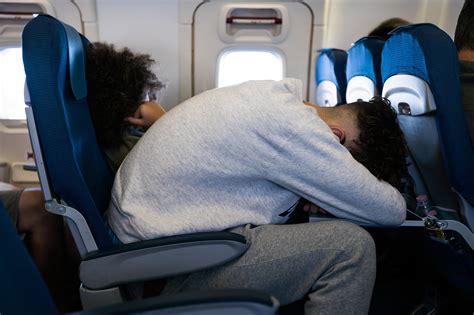
This trend is rooted in passenger behavior. Travelers on flights lasting eight hours or more are far more likely to prioritize legroom, seat width, and recline. The cumulative effect of these features can mean the difference between arriving exhausted and arriving relatively refreshed. Airlines understand this dynamic and price premium economy accordingly.
Short-haul flights, by contrast, tell a different story. On routes lasting two to four hours, the value of additional comfort diminishes. As a result, the price difference between economy and premium economy is often narrower in absolute terms, though still noticeable. Many travelers opt to save money in these cases, reserving upgrades for longer journeys where the benefits are more tangible.
Key Factors That Influence Premium Economy Pricing
The cost difference between premium economy and economy is shaped by a complex interplay of factors. Each one contributes to the final fare in ways that are not always immediately visible to travelers.
One of the most influential elements is booking timing. Tickets purchased well in advance tend to offer smaller price gaps, as airlines release a broader inventory of seats at lower fare classes. Last-minute bookings, on the other hand, often see premium economy prices surge due to limited availability and increased demand from travelers seeking comfort on short notice.
Competition also plays a critical role. Routes served by multiple airlines typically feature more competitive pricing across all cabin classes. In these markets, premium economy fares may remain relatively restrained as carriers compete for passengers. Conversely, routes with limited competition allow airlines greater flexibility to widen the price gap.
Seasonality further complicates the picture. Peak travel periods—such as summer holidays, major festivals, and year-end travel—drive up demand across all cabins. Premium economy, with its limited seating capacity, often experiences sharper price increases than economy during these times.
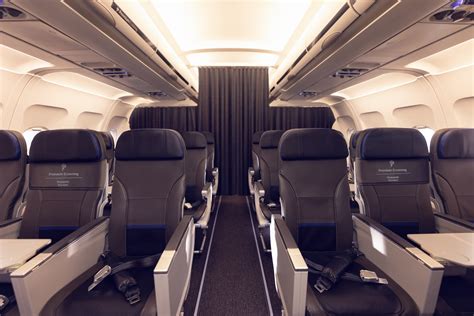
Aircraft configuration is another subtle yet important factor. Some airlines offer premium economy on widebody aircraft with spacious cabin layouts, while others deploy narrower configurations on certain routes. The perceived value of the seat can influence how aggressively it is priced.
What Travelers Actually Pay For in Premium Economy
The higher cost of premium economy is not arbitrary. It is tied directly to a set of enhancements designed to improve the travel experience in meaningful ways.
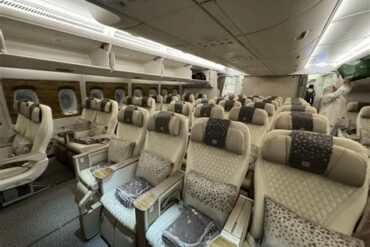
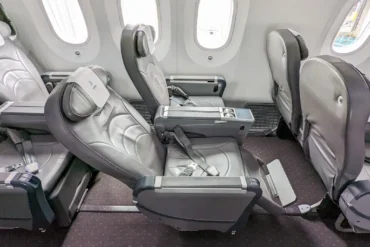
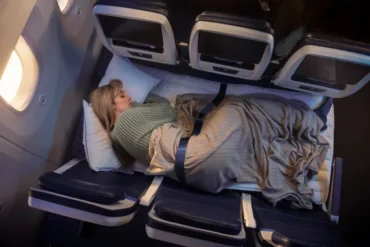
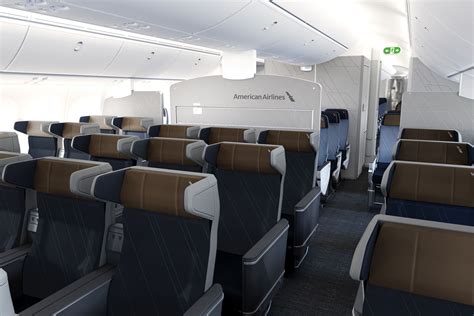
Seating is the most immediately noticeable upgrade. Premium economy seats typically offer additional legroom—often five to eight inches more than standard economy—along with wider cushions and deeper recline. These changes may seem incremental on paper, but they have a substantial impact over long periods of sitting.
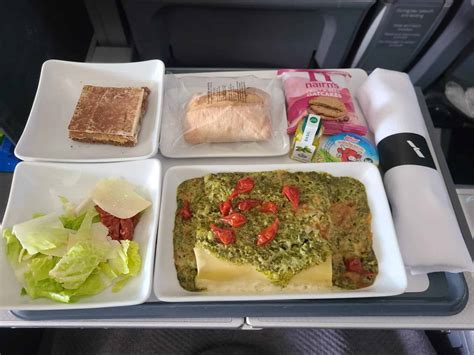
Service improvements also contribute to the overall value. Meals are generally upgraded in both quality and presentation, often served with real cutlery and enhanced menu options. Passengers may receive priority boarding, dedicated check-in counters, and increased baggage allowances, all of which streamline the travel process.
Despite these advantages, premium economy does not attempt to replicate the full luxury of business class. There are no lie-flat beds, and lounge access is typically not included. Instead, the focus remains on delivering a noticeably better experience without crossing into the premium pricing territory of higher cabins.
Real-World Pricing Scenarios Across Popular Routes
To understand how these factors converge, it helps to examine real-world examples. On transatlantic routes, the price gap often falls within a predictable range, with premium economy costing several hundred dollars more than economy. This consistency reflects high competition and frequent service.
Transpacific routes, however, can exhibit greater variability. Flights between North America and Asia often command higher premiums due to longer distances and strong demand for comfort. Here, the price difference can easily exceed $1,000, especially during busy travel seasons.
Domestic long-haul routes present yet another variation. In markets such as coast-to-coast flights within large countries, premium economy products—sometimes branded differently—offer enhanced seating but may not include all the perks of international services. Pricing in these cases tends to be more moderate, though still noticeably higher than economy.
These scenarios highlight a crucial point: there is no universal benchmark for premium economy pricing. Each route operates within its own ecosystem of demand, competition, and airline strategy.
Passenger Perspectives: Is the Upgrade Worth It?
Traveler feedback provides valuable insight into how the cost difference is perceived in practice. Frequent flyers often emphasize that the value of premium economy depends heavily on flight duration and personal comfort preferences.
On long-haul journeys, many passengers report that the additional space and improved seating significantly enhance their experience. Better sleep, reduced fatigue, and a more relaxed arrival are commonly cited benefits. For these travelers, the higher fare is seen as a worthwhile investment rather than an unnecessary luxury.
Others take a more cost-conscious approach. When the price gap becomes too large, especially for shorter flights, the benefits may not justify the expense. Families and group travelers, in particular, must consider how quickly the additional cost multiplies across multiple tickets.
There is also a psychological dimension at play. Premium economy offers a sense of exclusivity without the financial commitment of business class. This positioning appeals to travelers who want a more refined experience but remain mindful of their budgets.
Airline Strategy and the Growth of Premium Economy
The expansion of premium economy is not accidental. It reflects a broader shift in airline business models toward maximizing revenue through differentiated cabin offerings.
Airlines have increasingly recognized that premium economy delivers strong returns. It attracts both leisure travelers seeking comfort and business travelers operating under tighter expense policies. As a result, many carriers are reconfiguring aircraft to include more premium economy seats, sometimes at the expense of standard economy capacity.
This shift has also led to a more pronounced distinction between cabin classes. In some cases, economy seating has become more compact, further highlighting the advantages of upgrading. The contrast encourages passengers to consider premium economy as a logical step up rather than a luxury indulgence.
When Premium Economy Offers the Best Value
Timing and strategy can significantly influence whether premium economy represents good value. Travelers who monitor fare trends and remain flexible with their travel dates often find opportunities to upgrade at relatively modest cost increases.
Promotional fares, in particular, can narrow the price gap to the point where the upgrade becomes highly attractive. In such cases, the additional comfort and service enhancements may far outweigh the incremental expense.
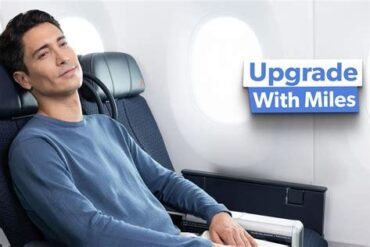
Frequent flyer programs and upgrade offers also play a role. Some airlines provide discounted upgrades closer to departure, allowing passengers to move into premium economy without paying the full fare difference. These opportunities can transform what might otherwise be a costly decision into a compelling value proposition.
However, when demand is high and availability is limited, the economics shift. Premium economy fares can rise sharply, diminishing their relative value. In these scenarios, careful evaluation becomes essential.
Final Analysis: Balancing Cost and Comfort
Premium economy has firmly established itself as a compelling middle ground in modern air travel. Its pricing, typically ranging from 30 percent to 100 percent above economy, reflects both its enhanced features and its strategic positioning within airline revenue models.
For long-haul flights, the benefits often justify the additional cost. The combination of increased space, improved seating, and upgraded service can transform the travel experience in ways that are difficult to quantify but easy to appreciate. On shorter routes, the equation becomes less clear, with many travelers opting to prioritize savings over incremental comfort.
Ultimately, the decision to upgrade hinges on individual priorities. Budget, travel duration, and personal tolerance for discomfort all play a role in determining whether premium economy is worth the expense. What remains consistent is its growing importance within the airline industry—a class designed not just to fill seats, but to redefine how travelers balance cost and comfort in the skies.