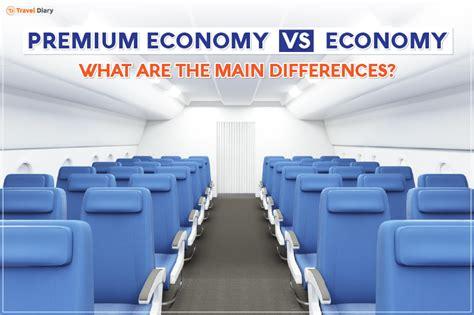
For travelers facing a long-haul flight, one question comes up again and again: Is premium economy actually worth paying for, or is it just economy with a nicer label? The answer becomes clear the moment you sit down. Premium economy is not business class, but it is also far more than a minor upgrade. It exists in the sweet spot between affordability and comfort, offering meaningful improvements in seat space, cabin atmosphere, service quality, and overall travel experience.
As airlines continue refining their cabins, premium economy has become one of the fastest-growing travel products in commercial aviation. It appeals to passengers who want a noticeably better flight without paying the steep premium attached to business class. On overnight journeys, ultra-long-haul routes, or any trip where arriving rested matters, the difference can feel dramatic.
The most important distinction is simple: space. More legroom, wider seats, deeper recline, and a calmer environment all combine to create a cabin that feels significantly less stressful than standard economy. While the numbers vary by airline and aircraft, the real-world effect is often the difference between enduring a flight and enjoying it.
After years of being squeezed tighter in economy cabins, many passengers now see premium economy as the practical upgrade that airlines should have introduced much earlier.
Why Premium Economy Became So Popular
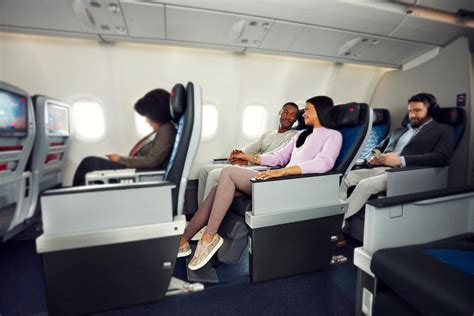
Premium economy was created because airlines recognized a gap in the market. Economy class became increasingly dense as carriers tried to maximize seat counts, while business class moved further upscale with lie-flat beds, lounge access, and premium dining. That left millions of travelers wanting something in between.
Not every passenger needs a private suite at 35,000 feet. Many simply want to stretch their legs, recline without guilt, eat a better meal, and step off the aircraft feeling human again. Premium economy answers that need.
It is especially attractive to business travelers paying their own way, families wanting extra comfort on vacation, older travelers prioritizing ease, and tall passengers who treat 31-inch pitch like a personal insult. For these groups, premium economy is less luxury and more survival strategy.
As airlines saw strong demand, the product evolved from a few better seats into a dedicated cabin with upgraded service, exclusive check-in lines, larger entertainment screens, and baggage perks. Today, on many long-haul carriers, premium economy is a core revenue product rather than an experiment.
The Real Space Difference: Seat Pitch Explained
When discussing airline comfort, seat pitch is one of the most important measurements. It refers to the distance from one point on your seat to the same point on the seat in front. In practical terms, it influences how much legroom you feel.
Economy class on many airlines typically offers around 30 to 32 inches of pitch. Some low-cost or high-density layouts go tighter. Premium economy commonly expands this to 36 to 40 inches.
That extra four to eight inches may sound small on paper, but in a confined aircraft cabin it changes everything. Knees no longer press into the seat ahead. Standing up becomes easier. You can cross your legs, shift posture, or reach personal items without performing advanced yoga.
For taller travelers, premium economy often moves from “barely tolerable” to “comfortable enough to sleep.” On flights lasting ten or more hours, that matters enormously.
Wider Seats Make a Bigger Difference Than Many Expect
Passengers often focus on legroom first, but seat width can be just as important. Standard economy seats usually measure around 17 to 18 inches wide. Premium economy often expands this to 18.5 to 20 inches, depending on aircraft type and airline.
That single extra inch per side reduces shoulder contact, elbow battles, and the awkward choreography of two strangers negotiating armrests through passive aggression.
Wider seats also make the entire row feel less claustrophobic. You can settle naturally instead of sitting rigidly inside a narrow shell. For larger passengers or anyone with broad shoulders, this difference alone can justify the fare premium.
On some airlines, premium economy seats also feature sturdier padding, larger headrests, adjustable wings, better lumbar support, and more useful tray tables. Those details do not sound glamorous, but after hour seven they become heroic.
Recline, Footrests, and Sleep Quality
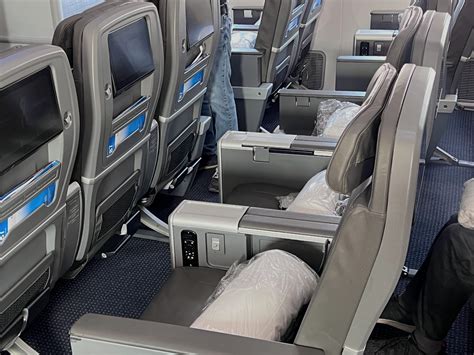
Economy recline is often modest, sometimes only a few inches. Premium economy typically offers deeper recline, frequently in the five to eight inch range, alongside improved seat ergonomics.
Many premium economy cabins include:
- Adjustable headrests
- Leg rests or calf rests
- Footrests
- Better cushioning
- Shell-style seat designs on some airlines
These features matter most on overnight flights. Sleep in economy often resembles accidental unconsciousness. Sleep in premium economy can resemble actual rest.
A supportive recline angle combined with extra pitch lets passengers relax without folding into impossible shapes. If arriving ready for work, meetings, or sightseeing matters, premium economy can be one of the smartest travel purchases available.
Cabin Atmosphere: The Hidden Advantage
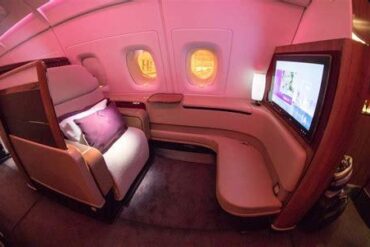
Space is measurable, but atmosphere is where premium economy often wins hearts. Unlike large economy cabins packed with hundreds of passengers, premium economy is usually a smaller section with fewer rows.
That creates several benefits. Boarding feels calmer. Cabin crew can serve passengers faster. Lavatories are less crowded. Noise levels are often lower. There is less constant foot traffic from people pacing aisles or queuing nearby.
The psychological effect is substantial. Travelers frequently describe premium economy as more civilized, less frantic, and far less draining than the main cabin behind it.
This quieter environment can be especially valuable on red-eye flights where uninterrupted sleep is worth almost as much as legroom itself.
How Major Airlines Compare
Not all premium economy cabins are equal. Some airlines deliver a product close to regional business class, while others provide a lighter upgrade.
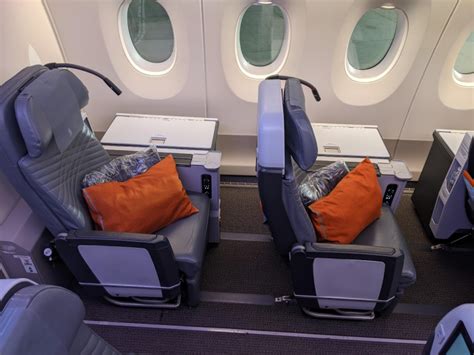
Emirates has earned praise for elegant cabins, generous pitch, calf rests, and elevated meal service. Singapore Airlines offers one of the most polished products, with spacious seating and refined finishes. British Airways World Traveller Plus remains a strong option with a dedicated cabin and improved service. Cathay Pacific is often appreciated for seat comfort and thoughtful storage. KLM Premium Comfort balances modern seating with strong long-haul practicality.
Aircraft type also matters. A new-generation widebody such as the Airbus A350 or Boeing 787 Dreamliner may offer a better premium economy experience than an older aircraft with a dated seat design.
That is why experienced travelers always check the exact aircraft, seat map, and recent reviews before paying extra.
What Else You Usually Get Besides More Space
Premium economy is not only about dimensions. Many tickets include valuable extras that improve the entire airport-to-arrival journey.
Common benefits include:
- Priority check-in
- Earlier boarding
- Increased baggage allowance
- Better meals and drinks
- Larger entertainment screens
- Amenity kits on some routes
- More attentive cabin service
These extras can remove much of the friction associated with long-distance travel. Even before takeoff, priority lines and baggage perks create a smoother experience.
For frequent flyers, time saved at airports can be almost as valuable as comfort in the air.
When Premium Economy Is Worth the Money
Premium economy tends to deliver the best value in specific scenarios.
Long-haul flights over six hours are where the upgrade shines brightest. Overnight journeys are another ideal use case, because sleep quality improves noticeably. Travelers with back pain, circulation concerns, or above-average height often find the difference transformative.
It also makes sense when the fare gap is moderate rather than extreme. Sometimes premium economy costs only a few hundred dollars more than economy on an international route. Spread over ten to fourteen hours, many passengers consider that excellent value.
If the alternative is arriving exhausted and losing the first day of a trip, premium economy can actually save value rather than merely add cost.
When It May Not Be Worth Paying For
There are times when staying in economy is the smarter move.
On short flights under four hours, the benefit may be limited. If you can book an exit-row or extra-legroom economy seat cheaply, the practical gap narrows. Some airlines also price premium economy aggressively during holidays or peak demand, making the jump less attractive.
Older aircraft can disappoint as well. A dated premium economy seat with minimal upgrades may not feel dramatically different from economy.
Price discipline matters. If premium economy costs nearly business-class promotional pricing, it may be wiser to stretch for business or save money entirely.
The Final Verdict: How Much More Spacious Is Premium Economy?
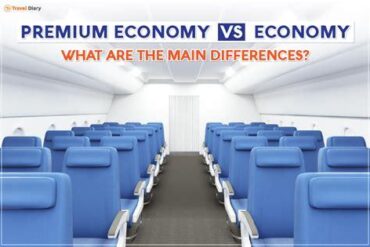
In measurable terms, premium economy usually gives you 4 to 8 extra inches of pitch, 1 to 2 extra inches of width, significantly more recline, and a calmer cabin environment. In practical terms, it can feel like an entirely different category of travel.
That is why passengers often remember premium economy not for one feature, but for the absence of misery. Knees are freer. Shoulders are less cramped. Sleep becomes possible. The cabin feels humane.
Economy class gets you there. Premium economy helps you arrive well.
For many modern travelers, that distinction is worth every dollar.