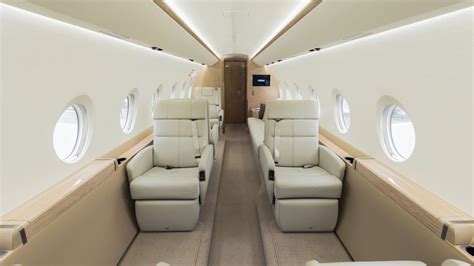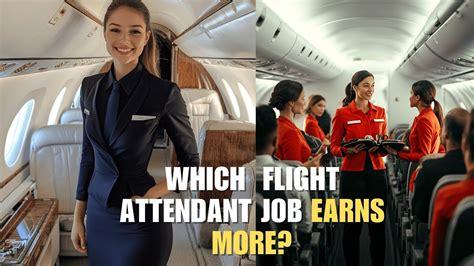
Private aviation has long represented the pinnacle of exclusivity and service in the skies, and those who serve aboard private jets are compensated accordingly. In contrast to their commercial counterparts, private jet flight attendants operate in a world where expectations are significantly higher—and so are the paychecks. The divide between these two career paths continues to widen, not only in salary but also in lifestyle, responsibilities, and client interaction.
Understanding the Core Responsibilities: Similar Goals, Different Standards
At the foundation, both commercial and private jet flight attendants share a core mission: ensuring passenger safety and delivering onboard service. However, the extent and nature of these tasks diverge dramatically between the two sectors.
Commercial flight attendants operate in structured environments. Their routines involve safety demonstrations, meal and beverage service, responding to general passenger needs, and enforcing cabin regulations. These responsibilities are generally dictated by airline policies and aviation regulations, with very little deviation.
Conversely, private jet flight attendants function more like personal concierges at 45,000 feet. Their duties encompass the entire passenger experience, often before the passenger even boards. This includes personalized catering arrangements, interior preparation, cabin presentation, high-end service execution, and ensuring confidentiality and discretion at all times.

A passenger may request a rare wine, a vegan macrobiotic meal, or a bespoke cabin fragrance an hour before departure. It falls upon the private flight attendant to execute these requests flawlessly and promptly. This expectation of luxury, customization, and discretion creates a work environment where attention to detail and proactive hospitality define success.
Commercial Airline Pay: Predictable Growth, Modest Ceiling
The pay structure in commercial aviation is transparent and systematic. Flight attendants are generally paid per flight hour, and wages increase incrementally based on years of service.
For example, at United Airlines, a senior flight attendant with over 13 years of experience can earn $67.11 per flight hour, while an entry-level attendant starts at $28.88 per hour. At Endeavor Air, a regional airline, top-tier flight attendants cap out at $46.83 per hour after two decades. These rates do not account for time spent on the ground during layovers, delays, or preparation.
Flight hours alone don’t paint the full picture. United offers a per diem of $2.40 to $2.90 per hour depending on domestic or international assignments. Some airlines, like Southwest, are industry leaders, offering up to $93.31 per hour after 13 years.
Still, full-time commercial flight attendants often report average annual salaries ranging from $47,000 to $80,000, depending on airline, location, and flight volume. The most lucrative salaries—those approaching $117,580 annually—are outliers tied to seniority and high-cost-of-living states like New York.
Private Jet Pay: Sky-High Earnings With Sky-High Expectations
Private jet flight attendant salaries follow no fixed hourly or annual structure. Instead, the earnings are influenced by client type, employment status (full-time vs. freelance), destination, aircraft type, and even service style.
Freelance or contract flight attendants—a popular arrangement in the private sector—command daily rates of $500 to $800 for domestic flights, and $1,200 or more for international trips. When expenses such as meals, hotels, and transportation are covered by the client, this allows for a significantly higher net income.
Flight attendants with culinary training or language skills can command premium rates, particularly for transcontinental or VIP routes. High-end clients often leave generous tips, especially for memorable service or during holidays.
Full-time private jet flight attendants, employed by corporate operators like NetJets or ultra-high-net-worth families, report annual salaries ranging from $60,000 to $120,000. Yet, this is far from the ceiling. A now-famous example saw Netflix offering $385,000 for a single flight attendant to join their private fleet, highlighting the industry’s earning extremes.
Flight attendants working for billionaires or celebrities frequently earn well into six figures, especially when confidentiality, round-the-clock availability, and world-class hospitality are required.
Beyond Salary: The Extras That Matter
For commercial flight attendants, additional income and perks include:
- Overtime pay for extended duty days
- Profit-sharing programs (e.g., Delta)
- End-of-year bonuses
- Comprehensive benefit plans (healthcare, 401(k), etc.)
- Free or discounted flights for themselves and family
These perks create a valuable benefits package, especially for those with long-term career plans in commercial aviation.
In the private sector, the benefits are less standardized but often more financially rewarding:
- Tipping culture: Clients may leave thousands in tips on long-haul flights
- Daily allowances for on-call availability
- Higher pay for short-notice or holiday travel
- Luxury accommodations and travel perks
However, private jet attendants usually lack the structured benefits commercial airlines provide. Instead, the emphasis is on direct, high-value compensation.
Lifestyle and Career Stability: Routine vs. Flexibility
Life as a commercial flight attendant is often stable and predictable. Schedules are published in advance, rest days are guaranteed, and there is a strong sense of routine. Flight crews often work in teams, creating a collaborative atmosphere. Over time, seniority ensures preferred routes and vacation planning flexibility.

Private jet attendants live in a world of constant variation and unpredictability. They are typically on call, often without notice, and may need to travel with little lead time. There is a higher emotional and physical demand, particularly when catering to discerning VIP clients.
Flexibility, discretion, resilience, and an instinct for luxury service are essential. Many private jet attendants transition from hospitality, luxury retail, or fine dining backgrounds. The intensity and spontaneity of private aviation may not suit everyone, but for those who thrive in dynamic environments, the rewards can be substantial.
Case Study: The Netflix Jet Attendant Opening
The 2023 Netflix job listing for a private jet flight attendant made international headlines. The company offered a salary up to $385,000, seeking a candidate with “independent judgment, discretion, and outstanding customer service.”
While exceptional, this job highlights how top-tier private aviation roles eclipse commercial salaries by several multiples. Even captains on major airlines rarely cross the $300,000 mark, making this an extraordinary opportunity.

Such positions often require extensive experience, spotless references, cultural sensitivity, and a service mindset honed in luxury settings. They are more than jobs—they are lifestyle commitments that demand total professionalism.
Conclusion: A Divide Defined by Service, Scope, and Status
The gap in compensation between private jet flight attendants and commercial crew members is more than just a salary difference—it reflects a contrast in expectations, client relationships, and career structure.
Private jet flight attendants can earn double, triple, or even ten times what their commercial peers make. But this comes with trade-offs: lack of structured benefits, no union protections, and a demanding, high-pressure environment. It’s a career for self-starters who can deliver elite service under pressure.
Commercial airline attendants, while more limited in peak earning potential, enjoy reliable benefits, structured schedules, and long-term stability. For many, the balance between work and life, combined with travel privileges, makes it an attractive path.
Ultimately, the choice between these careers hinges on one’s priorities, temperament, and appetite for luxury service delivery. For those seeking the most lucrative path, the skies of private aviation offer no ceiling—only altitude.