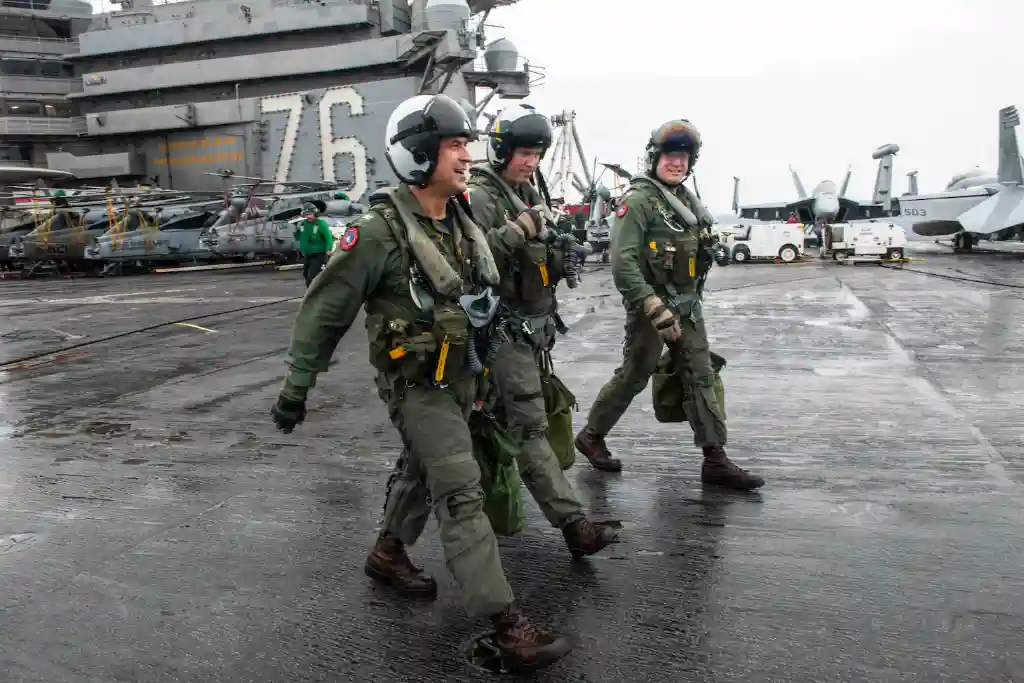
In the world of military aviation, few leadership positions carry as much responsibility as a US Navy Carrier Air Wing Commander, commonly known throughout naval aviation as the CAG. Entrusted with overseeing thousands of personnel, managing dozens of aircraft, and directing combat aviation operations from aboard a nuclear-powered aircraft carrier, these officers occupy one of the most demanding billets in the United States military.
As carrier air wings continue evolving around advanced platforms such as the Boeing F/A-18E/F Super Hornet Block III, the Lockheed Martin F-35C Lightning II, the E-2D Advanced Hawkeye, and various rotary-wing aircraft, the expectations placed upon Carrier Air Wing Commanders have never been higher. Naturally, this raises an important question: How much does a US Navy Carrier Air Wing Commander earn in 2026?
The answer extends far beyond basic military pay. While a CAG serves at the rank of Navy Captain (O-6), total compensation includes housing allowances, aviation incentive pay, deployment-related benefits, tax advantages, and other forms of military compensation that substantially increase annual earnings.
For 2026, most Carrier Air Wing Commanders earn total compensation exceeding $200,000 annually, placing them among the highest-paid operational officers in the US Navy.
Understanding The Role Of A Carrier Air Wing Commander
A Carrier Air Wing Commander occupies a unique position within naval aviation. Although the official title changed decades ago, the historic acronym CAG remains deeply embedded in Navy culture.
The origins of the position trace back to World War II when aircraft assigned to carriers were organized into “Carrier Air Groups.” In 1963, the Navy formally redesignated these formations as Carrier Air Wings, yet the term CAG survived and continues to be used today.
Modern Carrier Air Wings represent highly sophisticated aviation organizations. A typical air wing consists of multiple squadrons operating various aircraft types designed for strike warfare, air superiority, airborne command and control, electronic warfare, logistics support, intelligence gathering, anti-submarine warfare, and search-and-rescue missions.
A Carrier Air Wing Commander is responsible for integrating all of these capabilities into a single combat-ready force.
Unlike a squadron commander who oversees one aviation unit, a CAG supervises the activities of numerous squadrons simultaneously, often commanding approximately 2,400 personnel and managing dozens of aircraft worth billions of dollars.
The scope of authority rivals that of some foreign air force commanders.
A Carrier Air Wing Commander must balance operational readiness, pilot training, maintenance requirements, combat planning, personnel management, and strategic coordination with carrier strike group leadership. The position requires not only exceptional aviation expertise but also advanced leadership skills developed over more than two decades of military service.
By the time an officer reaches the CAG level, they have typically accumulated thousands of flight hours, multiple deployments, command experience, and extensive operational credentials.
The 2026 Military Pay Raise And Its Impact
The financial picture for Carrier Air Wing Commanders improved in 2026 following the implementation of a 3.8% military pay raise authorized under the Fiscal Year 2026 National Defense Authorization Act.
This increase became effective on January 1, 2026, and applied across all branches of the US Armed Forces.
For senior officers serving in aviation leadership positions, the raise translated into several thousand dollars of additional annual income compared to previous years.
Although military compensation still trails what many commercial airline pilots can earn, the continued upward adjustment reflects ongoing efforts by Congress and the Department of Defense to improve retention among highly skilled aviators.
Years of aggressive airline hiring have intensified competition for experienced military pilots, forcing policymakers to address widening compensation gaps between military and civilian aviation careers.
Base Salary Of A Carrier Air Wing Commander In 2026
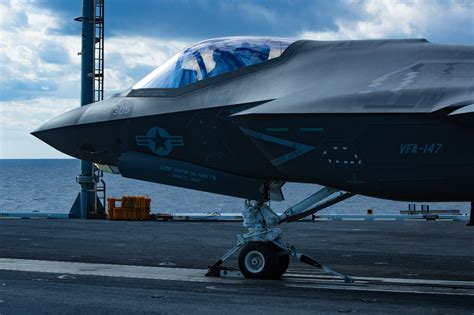
A Carrier Air Wing Commander serves at the rank of Captain (O-6), one of the highest operational officer ranks in the Navy.
While official pay tables show O-6 base pay beginning at lower service longevity levels, those figures are largely irrelevant for CAGs because officers selected for carrier air wing command generally possess more than 20 years of military service.
At this stage of their careers, most Carrier Air Wing Commanders receive monthly base pay ranging between approximately $12,638 and $14,282.
This translates into annual base earnings of roughly:
- $151,660 per year
- $171,388 per year
These figures represent taxable income before any allowances or special incentive programs are applied.
The significance of these numbers becomes clearer when viewed historically. Only a few years earlier, senior O-6 officers earned substantially less. Successive annual pay raises have steadily increased compensation, adding more than $1,600 per month to top-end O-6 salaries over the past several years.
While impressive by military standards, base pay represents only one component of a CAG’s overall earnings package.
Housing Allowances Significantly Increase Compensation
One of the most valuable components of military compensation is the Basic Allowance for Housing (BAH).
Unlike base pay, BAH is generally non-taxable and is specifically designed to offset housing expenses when service members live off base.
For senior Navy Captains with dependents, housing allowances can be substantial.
Average annual BAH values frequently exceed $36,000 per year, although actual payments vary considerably based on geographic location.
A Carrier Air Wing Commander assigned to high-cost areas such as:
- San Diego, California
- Norfolk, Virginia
- Washington, D.C.
- Hawaii
may receive significantly larger housing allowances than officers stationed in lower-cost regions.
This tax-free compensation dramatically increases effective take-home pay and represents one of the most important distinctions between military and civilian salary comparisons.
When evaluating military earnings, analysts often overlook the fact that non-taxable housing benefits can provide thousands of dollars in annual tax savings.
Basic Allowance For Subsistence Adds Additional Value
Beyond housing benefits, officers also receive the Basic Allowance for Subsistence (BAS).
Although much smaller than housing allowances, BAS contributes additional tax-free compensation designed to offset food-related expenses.
In 2026, officer BAS rates total approximately $328 per month, generating nearly $4,000 annually in additional compensation.
Because BAS remains non-taxable regardless of rank or duty assignment, its real value exceeds the equivalent amount of taxable civilian income.
Combined with housing allowances, BAS contributes significantly to the overall compensation package enjoyed by senior naval officers.
Aviation Incentive Pay Rewards Career Aviators
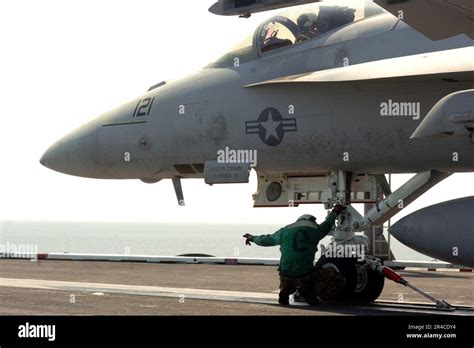
Carrier Air Wing Commanders are not merely senior officers. They are highly experienced naval aviators who have spent decades flying military aircraft and developing specialized operational expertise.
To recognize and retain these skills, the military provides Aviation Incentive Pay (AvIP).
By the time officers reach the CAG level, they easily qualify for the maximum AvIP rates due to their extensive aviation service.
In 2026, Aviation Incentive Pay can provide up to:
- $1,000 per month
- $12,000 annually
While modest compared to airline pilot salaries, this additional compensation acknowledges the unique qualifications required of career military aviators.
The Navy invests millions of dollars training pilots capable of operating high-performance aircraft from aircraft carriers. Aviation Incentive Pay serves as one mechanism to encourage experienced aviators to remain in uniform.
Deployment Compensation And Combat-Related Benefits
Carrier Air Wing Commanders frequently deploy aboard aircraft carriers operating in strategically sensitive regions around the globe.
These deployments can introduce additional forms of compensation unavailable during routine stateside assignments.
When operating in designated combat zones or hazardous environments, service members may qualify for:
- Hostile fire pay
- Imminent danger pay
- Combat zone tax exclusions
- Certain deployment-related allowances
Although individual circumstances vary, these benefits can substantially increase annual compensation.
The tax exclusion provisions are particularly valuable for senior officers because they may eliminate federal taxation on qualifying earnings during eligible deployment periods.
For an O-6 officer, the resulting tax savings can be significant.
As carrier strike groups continue conducting operations across the Indo-Pacific, Middle East, and other contested regions, deployment-related compensation remains an important component of overall military earnings.
Total Compensation: What Most CAGs Actually Earn
When base pay, housing allowances, subsistence allowances, aviation incentive pay, and standard military benefits are combined, the compensation picture becomes far more impressive.
Most Carrier Air Wing Commanders in 2026 receive total compensation that comfortably exceeds $200,000 annually.
Typical compensation packages generally fall between:
- $200,000
- $225,000+
Under certain circumstances involving high-cost duty locations, deployments, overseas assignments, and specialized compensation programs, total earnings can climb even higher.
Independent salary estimates submitted by active and former Navy Captains align closely with these calculations, reinforcing the conclusion that Carrier Air Wing Commanders occupy one of the highest-paid operational positions within naval aviation.
Why The Navy Pays CAGs So Well
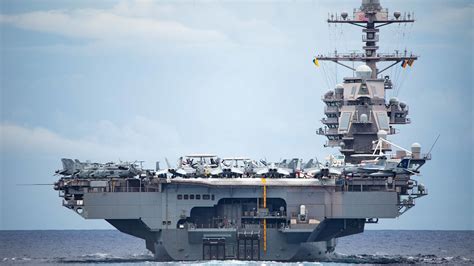
Compensation must be evaluated in relation to responsibility.
A Carrier Air Wing Commander does not simply supervise pilots. They direct an entire aviation combat organization.
Modern carrier air wings routinely include advanced aircraft such as:
- F-35C Lightning II fighters
- F/A-18E/F Super Hornet strike fighters
- EA-18G Growler electronic warfare aircraft
- E-2D Advanced Hawkeye airborne command platforms
- MH-60 Seahawk helicopters
- Carrier onboard delivery aircraft
Managing this force requires expertise in operational planning, maintenance readiness, intelligence integration, electronic warfare, logistics, and personnel leadership.
A single decision by a Carrier Air Wing Commander can affect thousands of sailors, billions of dollars in military assets, and strategic operations spanning multiple regions.
The position demands exceptional judgment under pressure.
Unlike civilian executives who operate in relatively predictable environments, CAGs routinely prepare for combat operations where mistakes can have life-or-death consequences.
The compensation reflects not only rank but also the immense scale of responsibility.
Comparing CAG Pay To Squadron Commanders
The financial jump from squadron commander to Carrier Air Wing Commander is meaningful but not dramatic.
A Navy Commander (O-5) leading a fighter squadron earns less base pay than an O-6 CAG, though the difference in responsibility is far greater than the difference in salary.
A squadron commander typically oversees approximately 200 to 300 personnel and a single aviation unit.
A Carrier Air Wing Commander, by contrast, coordinates multiple squadrons and thousands of personnel simultaneously.
This illustrates a common feature of military compensation structures: increases in leadership responsibility often outpace increases in pay.
Promotion to CAG status brings prestige, influence, and operational authority that extend far beyond the incremental salary increase.
Comparing CAG Pay To Admirals
Above the Carrier Air Wing Commander sits the flag officer community.
Rear Admirals commanding carrier strike groups, major aviation formations, and fleet organizations earn higher compensation than O-6 Captains.
These officers benefit from elevated pay scales and expanded leadership opportunities.
However, promotion beyond the O-6 level remains extraordinarily competitive.
Only a small percentage of Navy Captains ultimately advance to flag rank.
For many naval aviators, Carrier Air Wing command represents the pinnacle of an operational flying career.
The Airline Salary Gap Remains Massive
Despite earning more than $200,000 annually, Carrier Air Wing Commanders still trail major airline captains by a substantial margin.
Senior airline pilots operating international widebody aircraft can earn $500,000 to $550,000 or more annually in 2026.
Some highly experienced captains at major carriers earn even higher compensation when bonuses, profit-sharing programs, and retirement contributions are included.
This reality continues to create retention challenges for military aviation.
From a purely financial standpoint, the airline industry offers significantly greater earning potential.
However, military service provides experiences, leadership opportunities, operational missions, and career fulfillment that commercial aviation cannot replicate.
Many Carrier Air Wing Commanders remain in uniform because of their commitment to service, leadership responsibilities, and the unique challenges associated with naval aviation.
Overseas Assignments Can Change The Equation
Not all Carrier Air Wing Commanders receive identical compensation.
Officers assigned overseas may receive Overseas Housing Allowance (OHA) rather than BAH.
Locations such as Japan often involve additional allowances designed to offset local living costs.
Cost-of-living adjustments, overseas benefits, and regional compensation programs can significantly alter total earnings.
As a result, two CAGs holding identical rank and service longevity may receive noticeably different compensation depending on where they are stationed.
These location-specific variables make precise salary calculations difficult without considering assignment details.
The Future Of CAG Compensation
The role of the Carrier Air Wing Commander is becoming increasingly complex.
The integration of F-35C Lightning II fighters, advanced networking systems, unmanned aviation technologies, and evolving carrier strike group concepts continues expanding operational demands.
At the same time, the Navy must compete against an airline industry eager to recruit highly experienced military pilots.
These pressures suggest that compensation, retention bonuses, and quality-of-life initiatives will remain important priorities for naval aviation leadership.
As technological complexity increases, retaining officers capable of commanding modern carrier air wings becomes even more critical to national security.
Final Assessment
In 2026, a US Navy Carrier Air Wing Commander earns a base salary typically ranging from $151,660 to $171,388 annually. Once housing allowances, subsistence benefits, aviation incentive pay, deployment-related compensation, and military tax advantages are included, total annual compensation generally rises above $200,000, often reaching $225,000 or more.
These earnings place Carrier Air Wing Commanders among the highest-compensated operational officers in the United States military. Yet the salary reflects far more than rank alone. A CAG commands one of the most sophisticated aviation organizations in the world, overseeing approximately 2,400 personnel, managing billions of dollars in combat aircraft, and directing operations from the deck of a nuclear-powered aircraft carrier operating in some of the planet’s most strategically important regions.
While commercial airline captains continue earning significantly more, the role of a Carrier Air Wing Commander remains one of the most prestigious, influential, and demanding positions in military aviation. As carrier air wings evolve around next-generation aircraft and increasingly complex missions, the value of experienced naval aviation leadership is likely to become even more important in the years ahead.