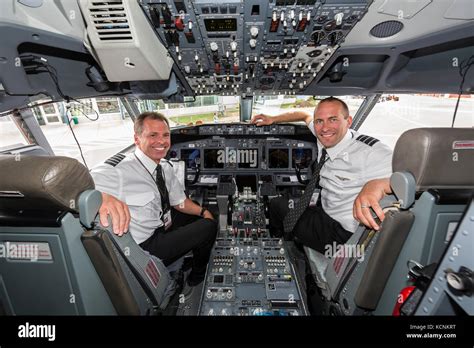
The aviation industry has long treated airline pilots as elite professionals whose training, responsibility, and decision-making skills justify substantial compensation. In 2026, that tradition remains firmly intact—especially at the United States’ legacy carriers. Despite a global aviation landscape increasingly shaped by ultra-low-cost airlines and efficiency-driven business models, the major American airlines continue to offer some of the most lucrative pilot compensation packages in the world.
Legacy carriers—Delta Air Lines, American Airlines, and United Airlines—represent the pinnacle of airline employment for many aviators. These airlines operate extensive international networks, fly some of the largest fleets in the world, and employ thousands of pilots whose experience ranges from newly promoted first officers to seasoned widebody captains commanding transcontinental flights.
For aspiring pilots evaluating career prospects, the question naturally arises: how much do pilots at US legacy airlines actually earn in 2026? The answer reveals a fascinating mix of salary progression, market competition, union negotiations, and industry-wide demand for experienced aviators.
Understanding these earnings also provides insight into broader aviation economics—how airlines compete for talent, how pilot shortages influence pay structures, and why North America consistently leads the world in pilot compensation.
Pilot Salary Progression At US Legacy Carriers
Pilot pay at major airlines follows a structured progression based on seniority and years of service. Unlike many professions where salary negotiations occur individually, airline pilots typically earn compensation according to union-negotiated pay scales. These scales define hourly rates and annual earnings depending on experience and aircraft type.
Data compiled by Epic Flight Academy in early 2026 illustrates just how lucrative these positions can become. The estimates, based on pilot-reported earnings, highlight a striking reality: experienced pilots at legacy airlines routinely earn well above $400,000 annually.
The estimated salaries for pilots at America’s three largest legacy carriers look like this:
| Airline | Year 1 Salary | Year 6 Salary | Year 12 Salary |
|---|---|---|---|
| American Airlines | $331,010 | $354,550 | $469,590 |
| Delta Air Lines | $426,790 | $444,230 | $465,130 |
| United Airlines | $323,000 | $336,000 | $352,000 |
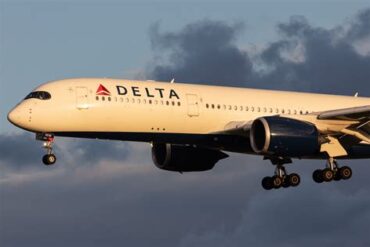
At first glance, the numbers are remarkable. Delta Air Lines leads the industry in early-career pay, offering first-year pilots estimated earnings exceeding $426,000, a figure that dramatically surpasses typical entry-level salaries in most professions.
By contrast, American Airlines gradually overtakes Delta in long-term compensation, with 12-year pilots earning nearly $470,000 annually.
United Airlines, while still offering impressive salaries by any standard, appears significantly lower in this particular dataset. Its pilots earn roughly $100,000 less per year than their Delta counterparts at comparable experience levels.

First Officers vs Captains: Understanding Pilot Pay Structures
Raw salary numbers only tell part of the story. Airline pilot compensation varies significantly depending on rank within the cockpit.
A commercial flight deck typically consists of two pilots:
- First Officer (co-pilot)
- Captain (pilot in command)
The captain holds ultimate responsibility for the aircraft and therefore earns substantially higher pay.
Industry salary estimates from aviation analytics sources in late 2025 show the following ranges across the major airlines:
United Airlines
- First Officer: roughly $144,828 annually
- Captain: approximately $447,996 annually
American Airlines
- First Officer: around $106,000 annually
- Captain: between $291,600 and $369,000
Delta Air Lines
- First Officer: about $106,000 annually
- Captain: roughly $405,000 to $460,000
These figures demonstrate the dramatic financial step that occurs when pilots upgrade to captain. Promotion to captain represents not only increased authority but also a major milestone in an aviator’s career progression.
Promotion timelines vary depending on airline hiring trends, retirements, and fleet expansion. During periods of pilot shortages—such as those experienced in the post-pandemic aviation recovery—promotion timelines can shorten significantly, accelerating salary growth.
How Legacy Airline Salaries Compare With Industry Averages
While the compensation packages at legacy carriers appear extraordinary, they become even more striking when compared with overall pilot salaries across the United States aviation industry.
Data collected by ATP Flight School provides a useful snapshot of typical earnings for commercial aviators in 2026.
Average industry compensation includes:
- Median airline pilot salary: $226,600
- Typical commercial pilot salary: $122,670
- Entry-level (10th percentile): $98,560
- Top-end (90th percentile): $300,000+
These statistics reveal a clear hierarchy within the aviation labor market. Pilots flying for major legacy airlines typically occupy the top tier of income distribution, often earning double the national median.
Experience plays a critical role in this progression. Entry-level commercial pilots—often working as instructors or regional airline first officers—begin with salaries under $100,000. Over time, as flight hours accumulate and seniority improves, compensation climbs dramatically.
Legacy airline captains ultimately reach the highest earning bracket, often surpassing $400,000 per year, placing them among the best-paid transportation professionals in the world.
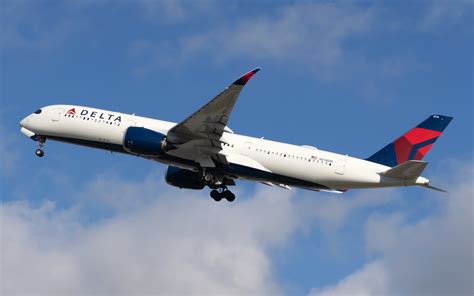
Post-Pandemic Growth In Pilot Salaries
The current salary landscape cannot be understood without examining the dramatic changes that followed the COVID-19 aviation downturn.
During the pandemic, airlines drastically reduced operations and offered early retirement packages to thousands of senior pilots. When travel demand rebounded faster than expected, airlines suddenly faced a severe shortage of qualified pilots.
The result was a rapid increase in wages across the industry.
Between 2021 and 2022, the median airline pilot salary in the United States rose from $202,180 to $226,600, representing growth well above typical inflation levels. Annual increases ranged between 3.4% and 4.5%, reflecting aggressive efforts by airlines to retain experienced pilots and attract new talent.
This upward trend has continued into 2026. Airlines remain locked in intense competition for skilled aviators, particularly those with the certifications required to operate large commercial aircraft.
In economic terms, the aviation labor market behaves exactly as classical supply-and-demand theory predicts: when experienced pilots are scarce, their bargaining power increases dramatically.
How US Pilot Salaries Compare With Other Regions
North America consistently ranks as the highest-paying region for airline pilots worldwide. The reason lies in a combination of economic scale, aviation infrastructure, and market maturity.
The United States alone operates the largest commercial aviation network on the planet, with thousands of daily flights connecting domestic and international destinations.
Global salary comparisons show striking differences:
- North America: highest global pilot earnings
- Asia: median around $100,000 annually
- Europe: approximately $90,000 on average
Asian airlines, particularly in rapidly growing markets like China and Southeast Asia, have begun offering competitive packages to attract foreign pilots. Prestigious carriers such as Singapore Airlines and Cathay Pacific are known for offering attractive contracts that include housing allowances and tax advantages.
However, even these offers often struggle to compete with the total compensation available at US legacy airlines, especially once retirement contributions and profit-sharing bonuses are considered.
Europe presents a very different landscape. The widespread presence of low-cost carriers has exerted downward pressure on pilot salaries across the continent. Although traditional flag carriers such as Lufthansa and British Airways still provide respectable pay, the regional average remains significantly lower than North American levels.
Regional And Low-Cost Airlines Are Closing The Gap
While legacy carriers dominate the upper end of pilot compensation, regional and low-cost airlines have significantly increased salaries in recent years.
Historically, regional airlines were known for modest pay and demanding schedules. Many pilots treated these jobs as stepping stones toward larger airlines.
That dynamic is changing rapidly.
New salary estimates reveal impressive earnings at several non-legacy carriers:
| Airline | Year 1 Salary | Year 6 Salary | Year 12 Salary |
|---|---|---|---|
| Allegiant Air | $163,000 | $197,000 | $230,000 |
| Frontier Airlines | $202,000 | $231,000 | $270,000 |
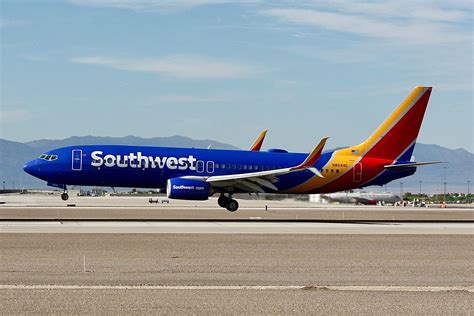
| Southwest Airlines | $334,000 | $347,000 | $364,000 |
| Spirit Airlines | $275,000 | $294,000 | $318,000 |
These figures illustrate a broader shift within aviation employment. Airlines across all segments must now compete aggressively for pilots, particularly as global travel demand continues to grow.
Some regional carriers have introduced signing bonuses, training reimbursements, and career pathway programs designed to attract pilots earlier in their careers.
What Determines A Pilot’s Actual Earnings
Pilot pay is more complex than a simple annual salary. In reality, airline compensation systems revolve around hourly flight pay rates.
Pilots earn a specific rate for each hour they operate an aircraft. Monthly schedules usually include 75 to 85 flight hours, although aviation regulations restrict pilots to a maximum of 1,000 flight hours per year.
This limit exists for an important reason: fatigue management and flight safety. Scientific studies consistently show that pilot fatigue significantly increases the risk of operational errors. Strict flight time limits help ensure that pilots remain alert and capable of handling complex situations in the cockpit.
Beyond hourly pay, several additional factors influence overall earnings:
Aircraft type plays a major role. Widebody aircraft pilots, operating long-haul jets like the Boeing 777 or Airbus A350, typically earn more than those flying narrowbody aircraft such as the Boeing 737.
Seniority also determines scheduling priority. More experienced pilots can bid for preferred routes, longer international flights, and aircraft assignments that carry higher hourly pay rates.
Per diem allowances further supplement income. Pilots receive daily allowances while away from their home base to cover meals and incidental expenses. Airlines also provide hotel accommodations and ground transportation during overnight layovers.
Retirement benefits form another substantial component of compensation. Many US airlines offer generous 401(k) retirement contributions, along with comprehensive health, dental, and vision insurance packages.
Lifestyle Benefits Beyond The Paycheck
Although salaries attract attention, the lifestyle advantages of an airline pilot career extend far beyond financial compensation.
One of the most celebrated perks is non-revenue travel privileges, often called standby travel. Pilots and their immediate family members can list for available seats on flights operated by their airline—or even partner airlines within global alliances.
When space permits, these travelers can often fly free or at extremely reduced fares, opening opportunities to explore destinations across the world.
Another unique benefit is the structure of pilots’ work schedules. Aviation regulations strictly limit flight hours and require mandatory rest periods between assignments. As a result, pilots typically enjoy substantial blocks of time off each month.
Unlike many modern professions, airline pilots rarely bring work home. Once a flight ends and required reports are completed, their off-duty time remains genuinely personal.
For many aviators, the ultimate reward is far less tangible: the opportunity to spend every working day immersed in aviation itself.
Flying modern airliners means operating some of the most sophisticated machines ever created—aircraft capable of crossing oceans overnight, guided by advanced avionics and satellite navigation systems. From the cockpit, pilots witness breathtaking sunrises above cloud layers, sprawling city lights beneath night skies, and landscapes stretching across entire continents.
For those who grew up fascinated by flight, the profession represents more than a career. It is a lifelong connection to the extraordinary physics and engineering that make human flight possible.

The Future Of Airline Pilot Compensation
Looking ahead, several forces will continue shaping pilot salaries in the coming decade.
Global passenger demand is expected to rise steadily, particularly in Asia and emerging aviation markets. At the same time, thousands of senior pilots in North America and Europe will reach mandatory retirement age over the next decade.
These trends suggest that pilot demand will remain strong, sustaining competitive compensation across the industry.
Legacy carriers will likely continue offering the highest salaries due to their scale, profitability, and international route networks. However, low-cost and regional airlines are expected to keep raising pay in order to remain competitive.
For aspiring pilots evaluating the profession today, the economic outlook remains remarkably favorable. Few careers combine high earnings, global travel opportunities, and a uniquely technical skill set in quite the same way.
The cockpit of a modern airliner is both a workplace and a front-row seat to the wonders of human innovation—and in 2026, the pilots who occupy that seat are compensated accordingly.