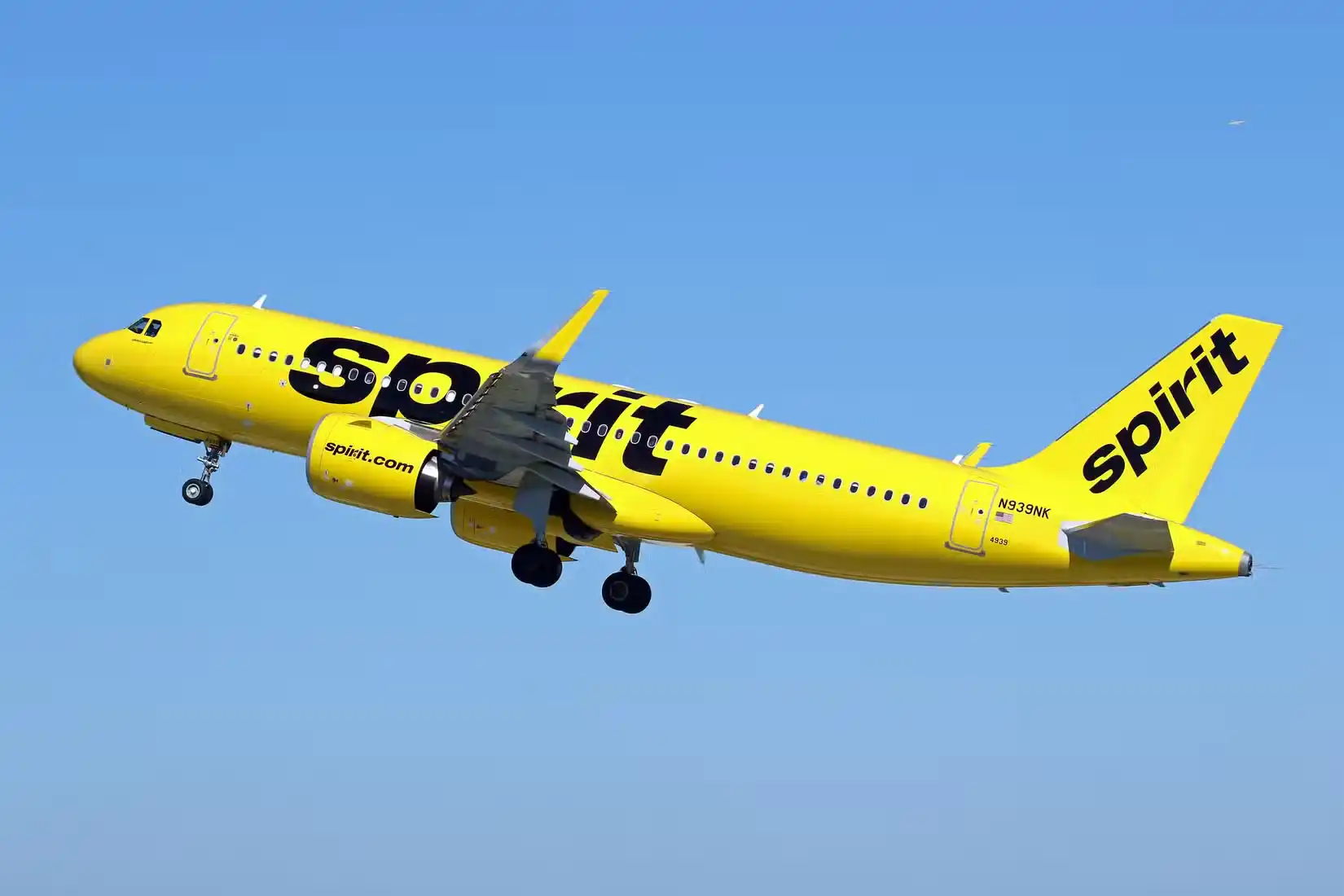
Captain Jon Jackson’s planned farewell flight with Spirit Airlines turned into an unexpected journey of gratitude and celebration when the airline abruptly ceased operations early Saturday morning. Jackson, who had dedicated decades to piloting for Spirit, was scheduled to operate his final flight on May 2, 2026. Instead, he found himself navigating a different kind of aviation milestone: flying home to Baltimore/Washington International Thurgood Marshall Airport (BWI) as a passenger on Southwest Airlines, with a heartfelt surprise orchestrated by his son, a Southwest First Officer.
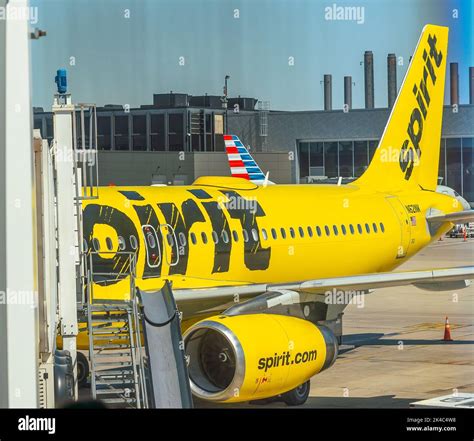
The retirement of any seasoned aviator carries symbolic weight, marking the conclusion of a career defined by countless hours in the cockpit, navigating both skies and challenges. For Captain Jackson, the situation was intensified by the sudden collapse of Spirit Airlines, leaving not only him but thousands of passengers across the country stranded. As Spirit shut down operations at 3:00 AM EST, the airline’s final flight, from Detroit Metropolitan Wayne County Airport (DTW) to Dallas/Fort Worth International Airport (DFW), landed shortly after midnight CDT, signaling the end of Spirit’s presence in the market and creating immediate ripple effects across U.S. domestic air travel.
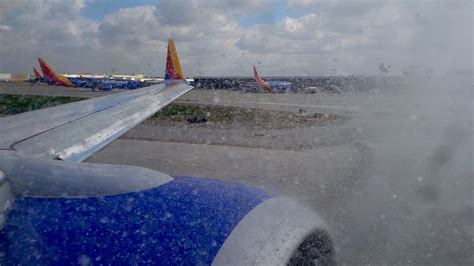
Despite the abrupt disruption, Southwest Airlines turned an unfortunate circumstance into a moment of recognition and respect. Jackson’s son coordinated with the flight crew and ground dispatchers to arrange a surprise water cannon salute and gate-side celebration. Upon landing at BWI, the aircraft was greeted by the traditional fire-truck water cannon display, a ceremonial gesture usually reserved for inaugural flights or highly distinguished figures in aviation. Ground staff and fellow passengers applauded as Captain Jackson stepped off the plane, greeted further by a welcome announcement from the Baltimore Ground Operations Team. A bottle of champagne was presented to him, and he delivered an impromptu speech reflecting on his career and the support of the aviation community. Southwest later described the occasion as a “powerful reminder of the aviation community’s ability to show respect, compassion, and solidarity when it matters most,” highlighting that the celebration was intended to honor the service and dedication of a fellow aviator.
The closure of Spirit Airlines has created significant disruption across the U.S. air travel network. Originally scheduled to operate nearly 30,000 flights during the second quarter of 2026 alone, Spirit’s sudden absence left a substantial capacity vacuum. This gap prompted other major carriers, including Southwest, United Airlines, and American Airlines, to step in with rescue fares and additional flights to accommodate stranded passengers. While short-term measures have mitigated immediate travel disruption, analysts anticipate a broader market impact: reduced capacity in high-demand markets typically drives ticket prices upward. With summer travel demand approaching and jet fuel costs rising, travelers can expect continued fare volatility in the months ahead.
The impact of Spirit’s collapse extends beyond passengers. For pilots and crew members, the airline’s shutdown has created uncertainty, though the U.S. Department of Transportation has indicated that former Spirit pilots will have an expedited pathway back into employment with other carriers. This assurance aims to preserve the careers of experienced aviators like Captain Jackson and minimize long-term disruptions in workforce mobility within the aviation sector.
Southwest’s recognition of Captain Jackson’s retirement illustrates how the airline industry often blends operational precision with moments of human celebration. While airlines regularly face logistical challenges, the capacity to coordinate impromptu ceremonies reflects the deep respect and camaraderie shared among pilots, crew, and airport staff. Such events are not only morale boosters but also powerful narratives that connect passengers and industry personnel in shared moments of acknowledgment, transforming routine travel experiences into memorable, emotional milestones.
Beyond the human-interest element, the situation underscores critical market dynamics. Spirit Airlines had previously been preparing to wind down operations, with failed negotiations for additional government funding accelerating the shutdown. Its sudden disappearance creates opportunities for competitors to expand routes permanently. JetBlue and Breeze Airways, for instance, are already considering route expansion to fill gaps left by Spirit, reshaping regional air travel networks. These strategic moves are expected to have lasting effects on fare structures, passenger options, and the competitive landscape for U.S. domestic flights.
The immediate consequences for passengers were mitigated by proactive measures. Spirit committed to issuing full refunds for booked flights and created an FAQ web portal to facilitate refund processes. However, with customer service suspended, travelers were left largely to navigate rebooking independently or rely on alternative carriers stepping in. This incident highlights the vulnerability of travelers during airline operational failures and emphasizes the importance of contingency planning for both passengers and industry stakeholders.
Captain Jackson’s story is emblematic of the aviation industry’s capacity to blend operational excellence with personal recognition. It captures a rare intersection of corporate crisis, family involvement, and community solidarity. From a broader perspective, it demonstrates the aviation industry’s resilience in the face of disruption: carriers quickly mobilize resources to maintain connectivity, celebrate milestones, and safeguard professional livelihoods, even as market turbulence threatens conventional operations.
As the aviation sector navigates the aftermath of Spirit Airlines’ shutdown, travelers and industry observers alike will be watching the evolution of market adjustments, route expansions, and fare changes. For now, however, the spotlight remains on Captain Jon Jackson, whose unintended passenger journey has become a testament to dedication, respect, and the enduring bonds of the aviation community. The water cannon salute at Baltimore Airport, the applause from ground staff, and the celebratory champagne moment symbolize not just the end of a career but the acknowledgment of a life spent navigating the skies with skill, integrity, and professionalism.
In reflecting on this unique event, it becomes clear that aviation is as much about people as it is about planes. The collaborative effort to honor Captain Jackson amidst operational upheaval reveals the deeply ingrained culture of mutual support that defines the industry. While airline closures inevitably disrupt travel plans and market stability, moments like this shine a light on the humanity within the industry—proving that even in turbulence, the skies can bring people together in celebration, respect, and recognition.