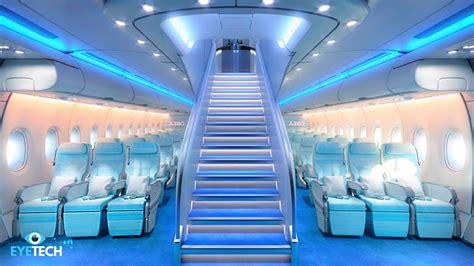
The Airbus A380 stands as aviation’s most ambitious attempt to redefine passenger comfort through sheer scale and innovative design. When this double-decker giant first took to the skies, it didn’t just represent an engineering marvel—it embodied a fundamental shift in how airlines could approach cabin design and passenger experience. The aircraft’s unprecedented dimensions created opportunities for comfort innovations that were simply impossible on smaller aircraft, transforming long-haul travel for millions of passengers worldwide.
The A380’s cabin design philosophy centers on one core principle: space creates comfort. Unlike traditional aircraft where every square inch must serve multiple purposes, the A380’s massive fuselage provides designers with a luxury rarely seen in commercial aviation—room to breathe. This abundance of space has allowed airlines to rethink everything from seat pitch and width to aisle configuration and overhead storage, creating an environment that feels more like a luxury hotel than a conventional aircraft cabin.
What makes the A380’s cabin design truly revolutionary isn’t just its size, but how that size translates into tangible comfort benefits for passengers across all cabin classes. The aircraft’s unique dual-deck configuration, combined with its exceptional width, has enabled airlines to create cabin environments that prioritize passenger well-being in ways that smaller aircraft simply cannot match. From noise reduction to improved air circulation, every aspect of the A380’s design contributes to a more comfortable flying experience.
The Engineering Marvel Behind A380’s Spacious Interior
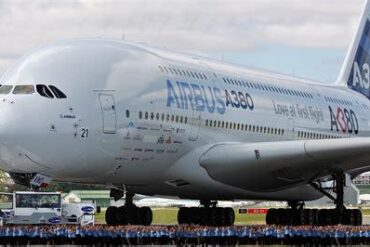
The Airbus A380’s cabin design begins with its extraordinary physical dimensions, which create the foundation for unprecedented passenger comfort. The aircraft’s fuselage measures 7.14 meters in width, making it significantly wider than any other commercial airliner in service. This width advantage translates directly into more comfortable seating arrangements, wider aisles, and additional space for passenger amenities that would be impossible to accommodate on narrower aircraft.
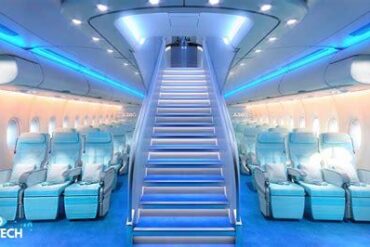
The dual-deck configuration represents perhaps the most innovative aspect of the A380’s design philosophy. Unlike traditional single-aisle or twin-aisle aircraft, the A380’s two full passenger decks create distinct cabin environments, each optimized for different passenger needs and comfort levels. The main deck typically accommodates higher-density seating while maintaining generous space allocations, while the upper deck often serves as the premium cabin showcase, where airlines deploy their most luxurious products.
Height plays an equally important role in the comfort equation. The A380’s cabin height of 2.38 meters on the main deck and 2.24 meters on the upper deck provides passengers with a sense of openness that eliminates the claustrophobic feeling common on smaller aircraft. This vertical space allows for more natural movement throughout the cabin and contributes significantly to passenger psychological comfort during long flights.
The aircraft’s structural design also enables innovative cabin layouts that maximize both space efficiency and passenger comfort. The absence of structural pillars or supports in passenger areas means airlines can create uninterrupted cabin spaces with optimal sight lines and traffic flow. This design freedom has allowed carriers to experiment with cabin configurations that would be structurally impossible on smaller aircraft.
Advanced Noise Reduction Technology for Ultimate Tranquility
One of the A380’s most celebrated comfort features lies in its exceptional noise reduction capabilities, which create an unusually quiet cabin environment. The aircraft’s advanced acoustic engineering incorporates multiple layers of sound insulation throughout the fuselage, significantly reducing both engine noise and external sound intrusion. This acoustic treatment extends beyond basic insulation to include specialized materials and design techniques that actively dampen sound transmission.
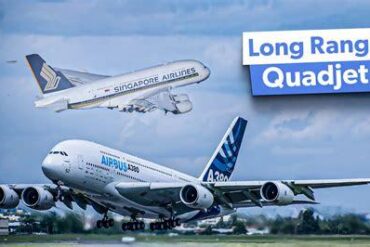
The A380’s four-engine configuration, while initially seeming like it might increase noise levels, actually contributes to a quieter cabin experience. The engines are positioned away from the passenger cabin and incorporate advanced noise reduction technologies that minimize sound transmission. Additionally, the aircraft’s substantial mass helps absorb vibrations and sound waves that would be more noticeable on lighter aircraft.
Interior design elements also contribute to the A380’s quiet cabin environment. Airlines have utilized sound-absorbing materials in cabin furnishings, from specially designed carpeting to acoustic panels integrated into wall coverings. These materials work in conjunction with the aircraft’s structural noise reduction features to create an environment where passengers can easily hold conversations, sleep comfortably, or work without distraction.
The practical impact of this noise reduction extends far beyond simple comfort. Studies have shown that excessive cabin noise contributes to passenger fatigue, stress, and difficulty sleeping during long flights. The A380’s quiet environment directly addresses these issues, allowing passengers to arrive at their destinations more rested and comfortable than they would after traveling on noisier aircraft.
Innovative Air Circulation and Climate Control Systems
The A380’s cabin comfort extends to its sophisticated environmental control systems, which maintain optimal air quality and temperature throughout the aircraft’s massive interior space. The aircraft’s environmental control system processes and circulates air more effectively than smaller aircraft, thanks to its larger capacity and advanced filtration technology. This system ensures that fresh, clean air reaches every passenger, regardless of their seating location within the cabin.
Temperature control represents another area where the A380’s design advantages become apparent. The aircraft’s size allows for multiple climate zones throughout the cabin, enabling more precise temperature management than is possible on smaller aircraft. This zonal approach means that different areas of the cabin can maintain optimal temperatures based on factors such as sun exposure, passenger density, and individual cabin class requirements.
The air circulation system also contributes to passenger health and comfort through its advanced filtration capabilities. High-efficiency particulate air filters remove contaminants and allergens from the cabin atmosphere, while the system’s high air exchange rate ensures that fresh air continuously replaces stale air throughout the flight. This creates a healthier cabin environment that reduces the likelihood of passenger discomfort or illness during long flights.
Humidity control, often overlooked in aircraft design, receives special attention in the A380’s environmental systems. The aircraft’s systems maintain optimal humidity levels that prevent the excessive dryness common on many commercial flights. This attention to humidity control helps reduce passenger fatigue, skin irritation, and respiratory discomfort that can detract from the overall flight experience.
Premium Cabin Innovations That Redefine Luxury Travel
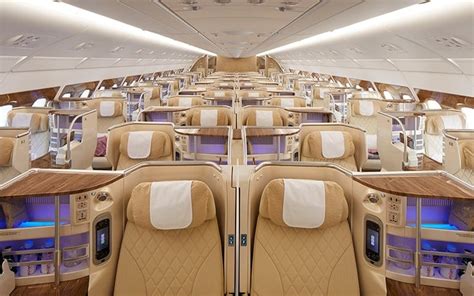
The A380’s generous space allocation has enabled airlines to create premium cabin products that push the boundaries of commercial aviation luxury. These innovations go far beyond simply offering larger seats, instead creating comprehensive luxury environments that rival high-end hotels and resorts. Airlines have utilized the A380’s space advantages to introduce features such as onboard lounges, bars, and social areas that transform the flight experience from mere transportation to destination-worthy luxury.
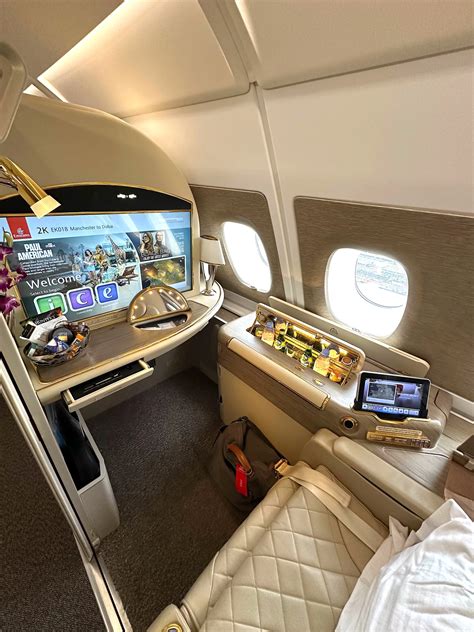
First-class accommodations on the A380 have reached unprecedented levels of sophistication, with some airlines offering private suites that include separate sleeping and seating areas, personal wardrobes, and even private bathrooms with showers. These ultra-luxury accommodations are only possible because of the A380’s massive cabin space, which allows airlines to dedicate substantial square footage to individual passenger accommodations without compromising overall capacity.
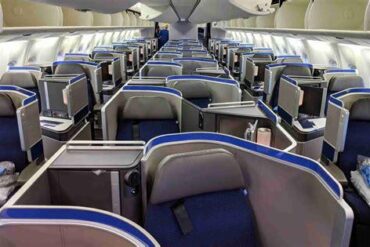
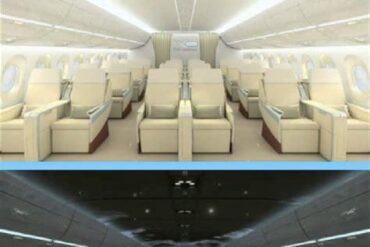
Business class products have similarly benefited from the A380’s space advantages. Airlines have introduced lie-flat seats with direct aisle access for every passenger, spacious work areas with multiple surfaces, and enhanced privacy features that create a more productive and comfortable environment for business travelers. The aircraft’s width allows for innovative seating configurations that maximize both privacy and space efficiency.
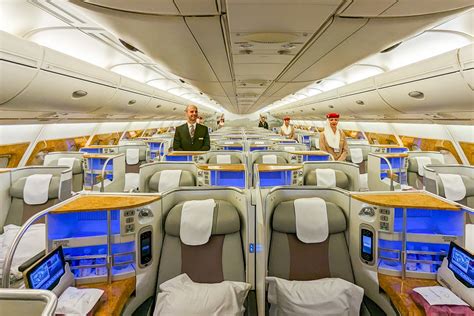
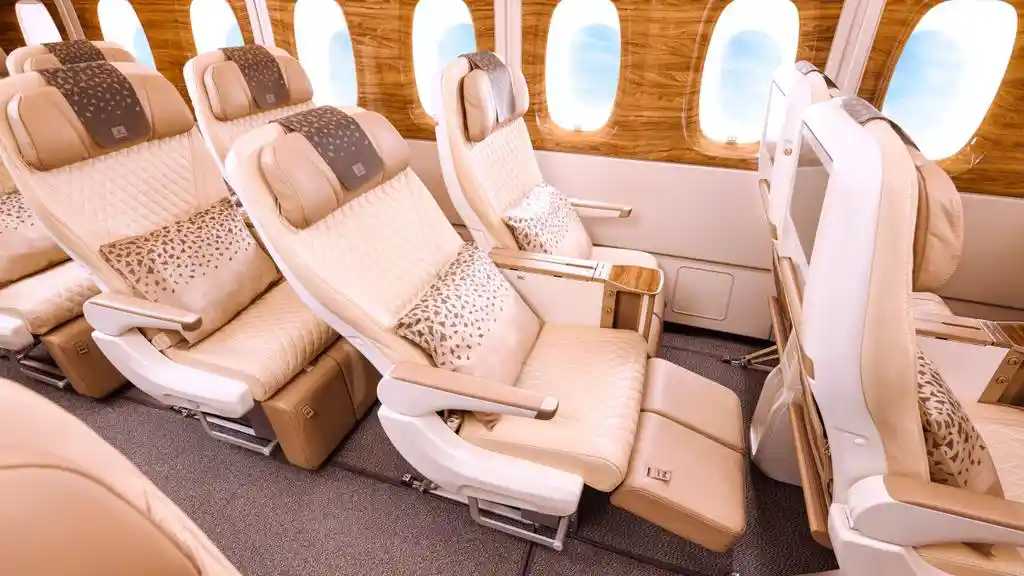
Even premium economy cabins on the A380 offer space and comfort levels that exceed business class products on many smaller aircraft. Airlines have been able to provide generous seat pitch, wider seats, and enhanced amenities that create a genuine middle-ground product between economy and business class. This cabin class has proven particularly successful on A380 routes, where the aircraft’s space allows airlines to offer meaningful upgrades without compromising revenue optimization.
Economy Class Comfort Redefined Through Space Optimization
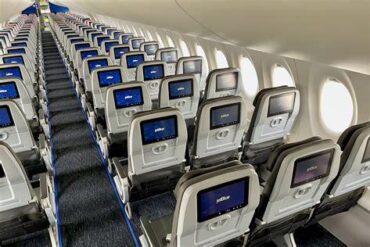
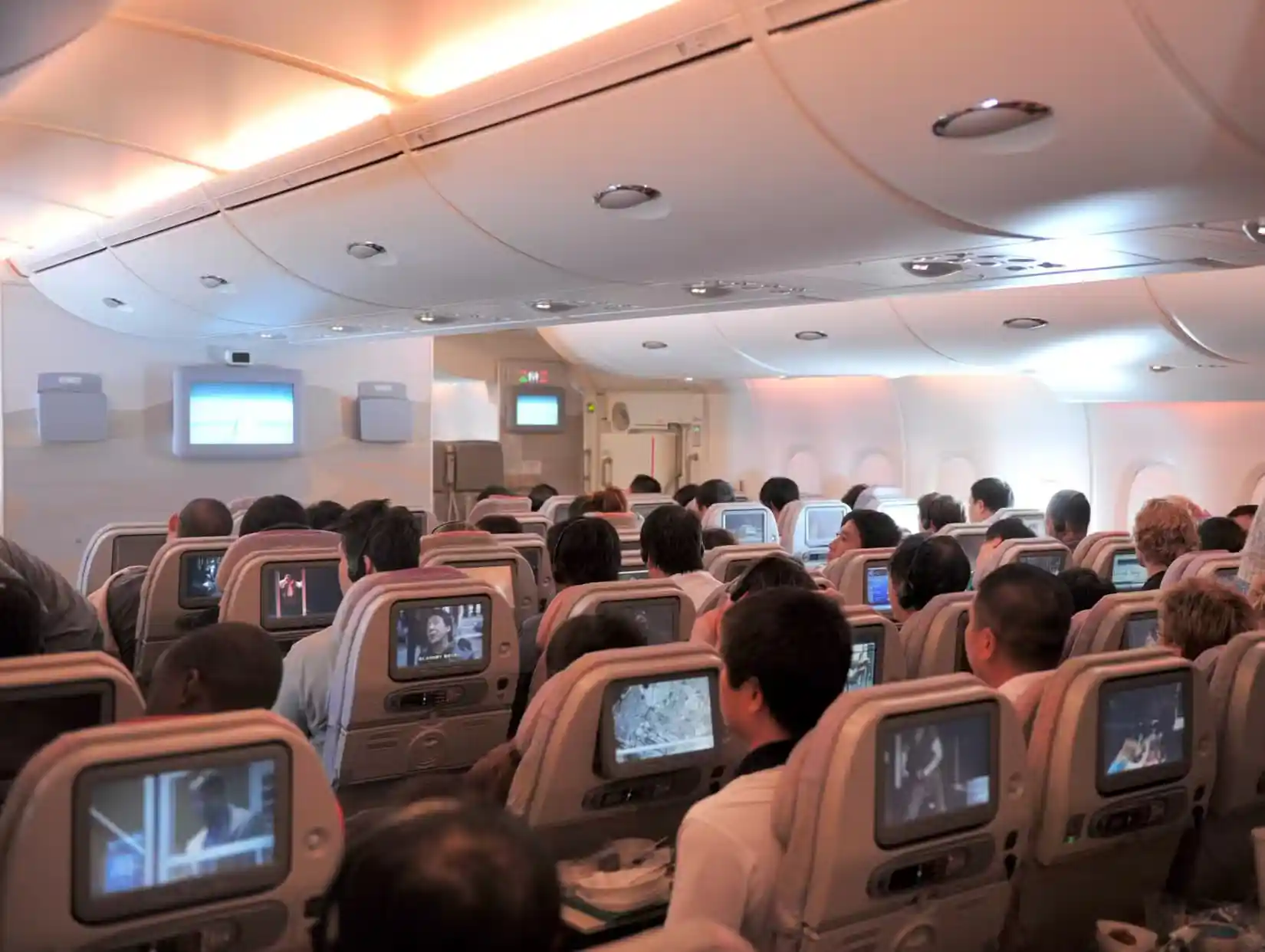
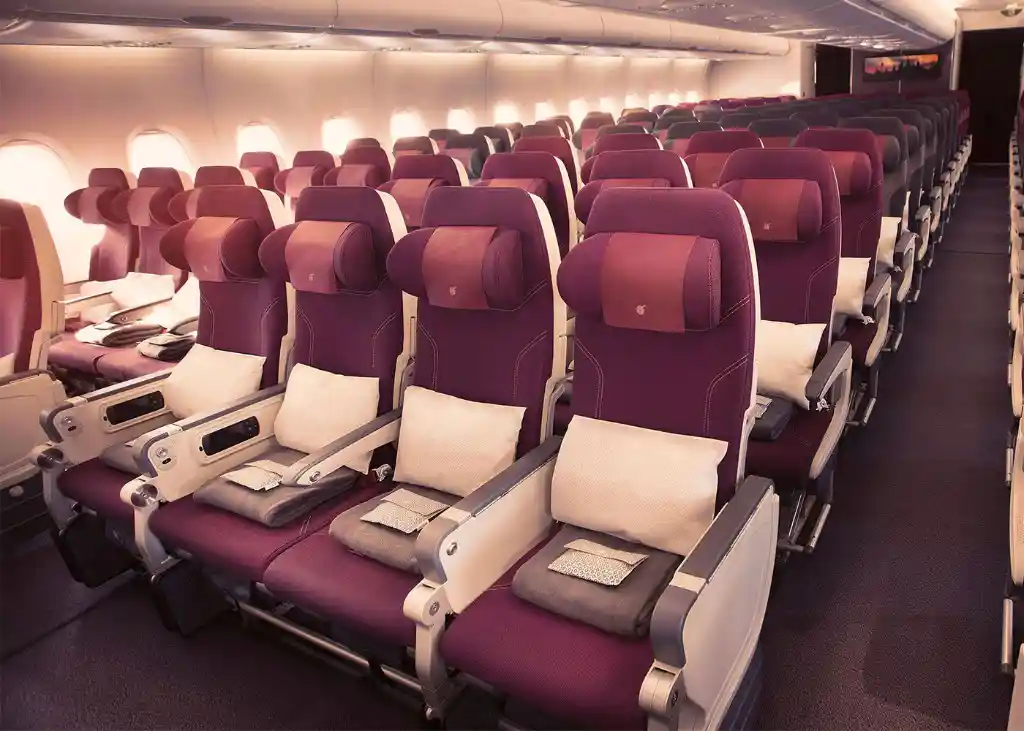
While premium cabins showcase the A380’s most dramatic comfort innovations, economy class passengers also benefit significantly from the aircraft’s design advantages. The A380’s width allows for economy class configurations that provide more personal space than is typically available on smaller aircraft. Airlines can offer wider seats, increased legroom, and more generous aisle space while still maintaining competitive capacity levels.
The aircraft’s overhead bin space represents another significant comfort improvement for economy passengers. The A380’s height and width allow for larger, more accessible overhead storage compartments that can accommodate more luggage per passenger. This reduces the stress and inconvenience associated with finding storage space for carry-on items, while also improving boarding and deplaning efficiency.
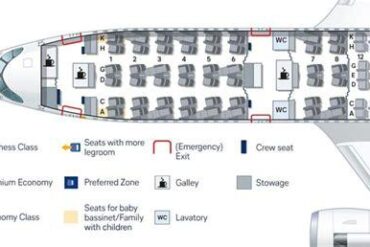
Seat configuration options on the A380 provide airlines with flexibility to optimize passenger comfort based on route requirements and passenger preferences. The aircraft’s width supports various seating arrangements, from traditional 3-4-3 configurations to more comfortable 3-3-3 layouts that provide additional personal space for each passenger. This flexibility allows airlines to tailor their cabin products to specific market needs while maintaining operational efficiency.
The psychological impact of the A380’s spacious cabin environment benefits economy passengers as much as premium travelers. The aircraft’s high ceilings, wide aisles, and open cabin design create a sense of space and freedom that reduces the claustrophobic feelings common on smaller aircraft. This psychological comfort contributes significantly to overall passenger satisfaction and reduces travel-related stress and anxiety.
Future-Focused Cabin Flexibility and Adaptability
The A380’s cabin design incorporates flexibility features that allow airlines to adapt their configurations as market demands evolve. This adaptability has proven crucial as airlines have shifted focus from pure capacity to revenue optimization, requiring cabin layouts that can maximize premium seating while maintaining operational efficiency. The aircraft’s structural design supports various configuration changes without requiring major modifications to the airframe.
Recent innovations such as the A380 Cabin Flex option demonstrate how the aircraft’s design can be optimized for changing market conditions. This modification allows airlines to reconfigure cabin space by deactivating certain emergency exits, freeing up additional space for premium seating products. The flexibility to make such changes ensures that A380 operators can adapt their cabin products to evolving passenger preferences and market demands.
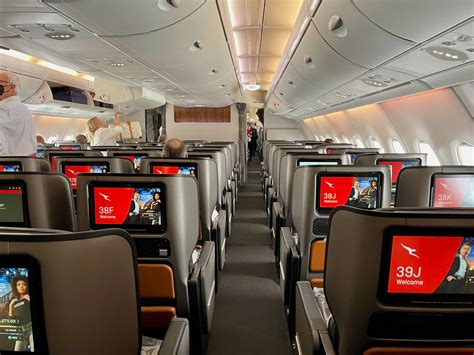
Airlines continue to explore new ways to utilize the A380’s space advantages, from introducing new cabin classes to experimenting with innovative seating products and passenger amenities. The aircraft’s design provides a platform for ongoing innovation in passenger comfort, ensuring that it remains competitive with newer aircraft types while continuing to offer unique advantages that smaller aircraft cannot match.
The A380’s cabin design legacy extends beyond the aircraft itself, influencing cabin design trends across the aviation industry. The comfort innovations pioneered on the A380 have inspired similar developments on other aircraft types, raising passenger expectations and driving industry-wide improvements in cabin design and passenger experience. This influence ensures that the A380’s impact on passenger comfort will continue long after the last aircraft leaves service.
The Airbus A380’s unique cabin design represents a watershed moment in commercial aviation, demonstrating how innovative engineering and thoughtful design can transform the passenger experience. Through its combination of unprecedented space, advanced technology, and flexible configuration options, the A380 has redefined what passengers can expect from air travel, setting new standards for comfort that continue to influence aircraft design today. As airlines continue to operate these remarkable aircraft, passengers worldwide benefit from the comfort innovations that only the A380’s unique design makes possible.