Understanding the True Cost of the Airbus A380
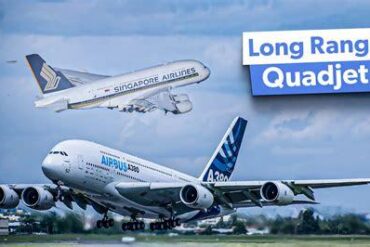
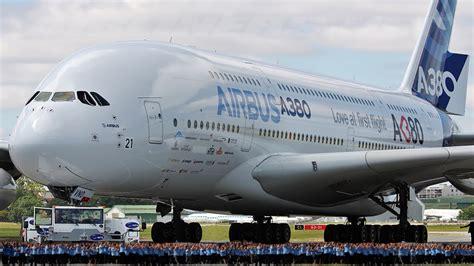
The Airbus A380, the world’s largest passenger aircraft, remains a marvel of modern aerospace engineering. Its massive double-deck design, four-engine configuration, and unmatched passenger capacity have made it an icon in commercial aviation. But with such impressive capabilities comes a question that continues to spark curiosity across the globe: What is the real price of an Airbus A380?
To comprehend this, we must explore not just the list price but the full economic picture that includes customization, maintenance, operational costs, and the unique factors influencing its market value today.
The Airbus A380 List Price
At the time Airbus stopped producing the A380 in 2021, the official list price for a single unit was $445.6 million. This figure, however, often diverged significantly from what airlines actually paid, due to deep discounts negotiated by bulk orders and long-term agreements.
-
List Price (Final): $445.6 million
-
Typical Discounted Price: $300–$375 million per unit
These figures are only the beginning. To understand the actual price of owning and operating an Airbus A380, one must delve into the lifecycle economics of the aircraft.
Customization and Cabin Fit-Out Costs
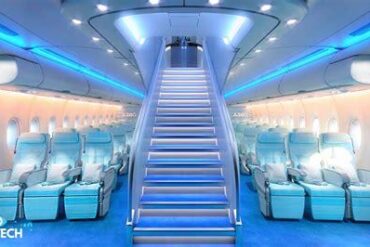
A key component of the A380’s final cost is customization. Most A380 customers—such as Emirates, Singapore Airlines, and British Airways—chose extensive interior modifications. The base aircraft price does not include premium cabin features such as private suites, showers, lounges, or advanced inflight entertainment systems.
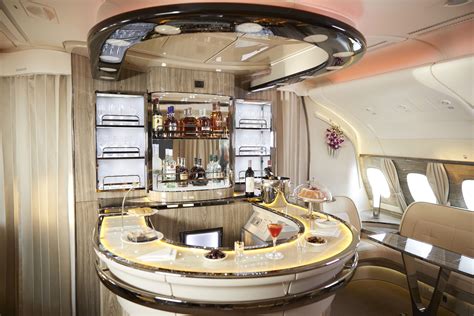
For example, Emirates’ A380 First Class Suites and onboard showers significantly increased the internal fit-out cost:
-
Standard Fit-Out: $30–$50 million
-
Luxury Custom Fit-Out: $75–$100 million (including amenities and furnishings)
The total cost of a fully customized A380 could easily surpass $500 million, especially when configured with luxury first-class sections and cutting-edge avionics upgrades.
Operational and Maintenance Costs
Owning an A380 extends far beyond acquisition. The operational costs, maintenance complexity, and required infrastructure investment all contribute heavily to its long-term expense profile.
-
Fuel Burn: ~11–13 tons/hour, averaging around $26,000 per flight hour
-
Crew Requirements: Minimum of 22 (including cabin crew)
-
Annual Maintenance Costs: ~$10–$15 million
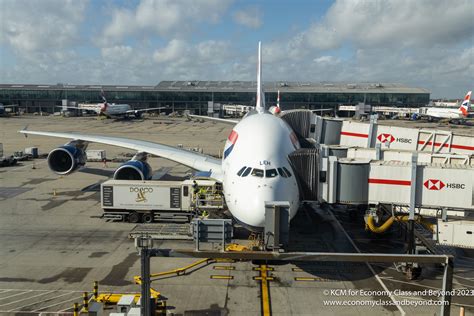
Additionally, airport compatibility is limited to hubs equipped with specially designed gates, longer runways, and reinforced taxiways. This adds another layer of hidden costs for airlines planning to operate the jet long-term.
Why Airlines Still Invested in the A380
Despite its high costs, the A380 offered unmatched advantages for major international carriers operating out of capacity-constrained airports. The aircraft’s ability to move over 850 passengers in a high-density configuration helped airlines reduce the cost per seat on long-haul, high-demand routes like Dubai to London or Singapore to New York.
-
High-Density Configuration: Up to 868 passengers
-
Standard 3-Class Layout: 555 passengers
Moreover, the A380 was often used as a brand flagship, promoting the airline’s image as a provider of luxury and innovation. For instance, the Emirates A380 experience became a major draw for international travelers.
Market Depreciation and Resale Value
The resale market for the Airbus A380 has proven challenging. The enormous operational costs and limited airport compatibility reduced the interest among secondary operators. Aircraft leasing firms have been particularly reluctant to invest in the type.
-
Depreciation Rate: Extremely high compared to narrow-body aircraft
-
Used A380 Value (2024): As low as $40–$60 million
-
Scrap Value (for parts): ~$30 million
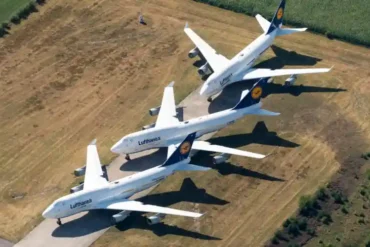
This dramatic drop in value—often to under 10% of the original price—has led many airlines to retire A380s early, even while still structurally viable. Lufthansa, Air France, and others have either permanently grounded or scrapped their A380 fleets.
The Emirates Exception: Strategic A380 Operations
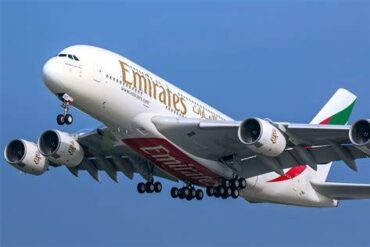
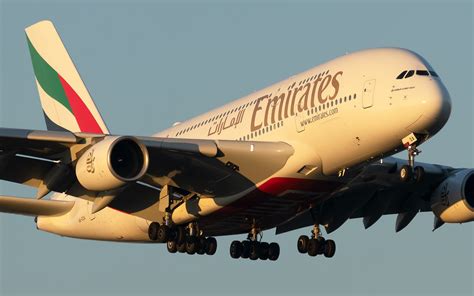
Emirates Airline, which owns over 120 A380s, has adopted a unique strategy. Unlike other carriers, Emirates has doubled down on the A380’s value by creating bespoke A380-focused terminals in Dubai and investing in a refurbishment program aimed at extending operational life through the 2030s.
Key Emirates strategies include:
-
High-volume long-haul hub in Dubai
-
Customized maintenance hubs
-
Exclusive cabin service training centers
These investments allow Emirates to maintain profitability on A380 routes that would be unsustainable for other carriers.
End of Production and Future Legacy
Airbus officially ceased A380 production in 2021, with the final delivery going to Emirates in December of that year. The aircraft’s production run lasted 16 years, during which 251 units were delivered. While the program did not achieve the financial success Airbus had hoped for, it remains a technological milestone in commercial aviation.
The decision to end production stemmed from:
-
Shift toward more fuel-efficient twinjets (e.g., A350, Boeing 787)
-
Declining order numbers
-
High production and assembly costs
Despite this, the A380 remains an engineering triumph, showcasing Airbus’s ability to push the limits of civil aviation.
Why the Airbus A380 Still Commands Fascination
The A380 holds a unique place in aviation history. No other passenger aircraft has matched its size, comfort, or luxury. Aviation enthusiasts, travelers, and engineers alike continue to revere the aircraft for its bold ambition and unmatched presence.
Even as the A380 becomes increasingly rare in the skies, its legacy continues to influence how manufacturers, airlines, and passengers define long-haul travel excellence.
FAQs
What is the current price of a used Airbus A380?
The current market value for a used A380 ranges between $40 million and $60 million, depending on airframe hours, maintenance condition, and interior configuration. However, demand remains limited due to the aircraft’s size and operational requirements.
Why did Airbus stop making the A380?
Airbus ceased A380 production due to insufficient demand, high operating costs, and a growing market preference for fuel-efficient twin-engine aircraft like the Airbus A350 and Boeing 787. The inability to secure long-term bulk orders also impacted its commercial viability.
Which airline has the most Airbus A380s?
Emirates Airline holds the largest A380 fleet, with over 120 aircraft delivered. The airline continues to operate the type extensively and has invested heavily in A380-specific infrastructure and cabin refurbishments.