Commercial aviation has a long memory. Aircraft that proved themselves decades ago still inspire admiration from pilots, engineers, and airline planners. A jetliner that balanced performance, range, and reliability in just the right way can become something close to an industry legend. When those aircraft disappear from production lines, the question inevitably appears: could manufacturers ever build them again?
It sounds simple on the surface. If airlines still love a plane, why not restart the assembly line and roll out a fresh batch? Yet modern aviation manufacturing is not a machine that can simply be switched off and on. Behind every airliner lies an intricate industrial ecosystem involving thousands of suppliers, decades of regulatory history, evolving technologies, and fragile economics.
Once that ecosystem dissolves, rebuilding it becomes a massive undertaking. Still, history shows that aviation is a field where the improbable occasionally happens. Restarting legacy aircraft production is extraordinarily hard—but under the right circumstances, it is not completely impossible.
The Long Life Cycles of Commercial Aircraft
Commercial aircraft programs operate on timelines that stretch across generations. A jetliner designed today may remain in airline fleets for thirty to forty years, sometimes longer. These long service lives make aircraft development unusually complex compared with most other industrial products.
Manufacturers must anticipate technological trends, fuel prices, airport infrastructure, and passenger demand decades into the future. When the design succeeds, the aircraft can dominate a segment of the market for years. Airlines build routes, crew training systems, and maintenance programs around that single airframe.
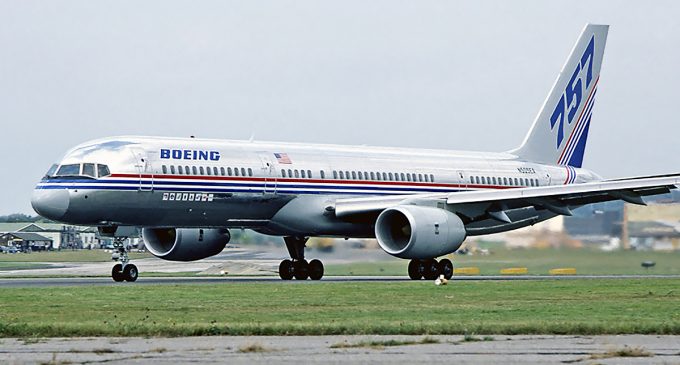
Some aircraft become particularly memorable because they solved a problem that no other aircraft solved quite as well. The Boeing 757, for example, occupied a unique middle ground between narrowbody and widebody aircraft. It carried more passengers than a typical single-aisle jet but operated with lower costs than larger widebodies.
Its performance was equally unusual. The aircraft could operate from relatively short runways while still flying long routes, including transcontinental flights across the United States and even transatlantic services between North America and Europe.
When a design hits that sweet spot, airlines tend to remember it long after production ends.
Why Certain Aircraft Become Aviation Icons
Aircraft rarely earn legendary reputations by accident. They achieve that status because their engineering aligns perfectly with market needs at a specific moment in aviation history.
The Boeing 747 is one of the most famous examples. When it entered service in 1970, it introduced passenger capacity on a scale never before seen. Airlines suddenly had the ability to move hundreds of travelers across oceans in a single flight. The aircraft’s distinctive upper-deck hump quickly became one of the most recognizable silhouettes in aviation.
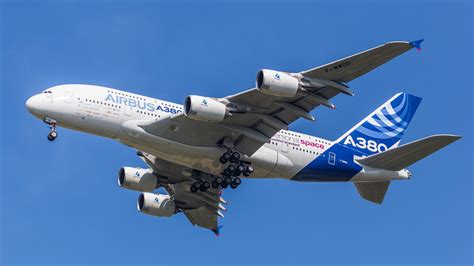
The Airbus A380 later attempted to push that idea even further. Its double-deck design allowed airlines to carry more than 500 passengers in typical configurations. Airports had to redesign gates and taxiways to accommodate its enormous wingspan and weight.
Both aircraft reshaped the industry. The 747 democratized long-haul travel in the 1970s, while the A380 represented the peak of hub-and-spoke mega-capacity flying in the early 21st century.
Yet iconic status does not guarantee endless production. Aviation history is filled with aircraft that were beloved in service but eventually lost their economic advantage.
Why Aircraft Production Lines Eventually Shut Down
Aircraft programs typically end for a simple reason: economics change.
Airlines operate in an environment where fuel prices, labor costs, and competition constantly shift. Even an excellent aircraft can become less attractive when newer designs promise lower operating costs or improved efficiency.
The Boeing 757 illustrates this dynamic clearly. The aircraft entered service in the early 1980s and remained in production until 2004. Over that period, Boeing delivered more than 1,000 aircraft, a substantial number for a jet in its category.
However, by the early 2000s airlines were increasingly favoring newer narrowbody aircraft that consumed less fuel and shared cockpit commonality with existing fleets. Aircraft such as the Boeing 737 Next Generation and later the Airbus A321 provided lower operating costs for many routes.
Production economics played a role as well. Aircraft assembly lines rely on steady order volumes to remain profitable. When annual demand drops below a certain threshold, the cost of maintaining the line outweighs the revenue from the aircraft being produced.
Once that point is reached, manufacturers typically close the line—even if the aircraft continues flying successfully for decades afterward.
The Boeing 757: The Aircraft Everyone Wants Back
Among aviation enthusiasts and airline planners, no aircraft sparks more discussion about revival than the Boeing 757.
The aircraft filled a market niche that still exists today. Its typical seating capacity ranged between 180 and 230 passengers, placing it squarely between traditional narrowbody jets and smaller widebodies. That capacity allowed airlines to open routes that were too large for a 737 yet too small for a 767.
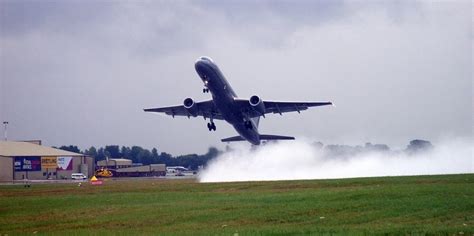
Equally important was the aircraft’s remarkable performance. Pilots frequently praise the 757 for its powerful engines and impressive climb capability. It could depart from airports with shorter runways or challenging environments while carrying a full load of passengers and fuel.
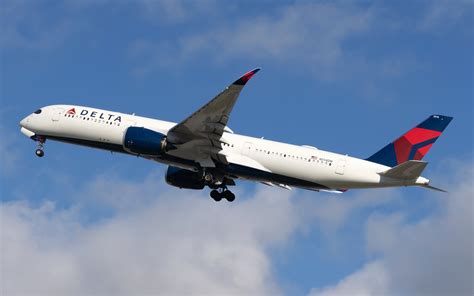
Major airlines still operate significant fleets today.
- Delta Air Lines: approximately 90 aircraft
- United Airlines: more than 60 aircraft
These jets continue flying domestic, transcontinental, and international routes decades after their introduction. Their longevity has fueled speculation that Boeing could restart the program.
The reality is far more complicated.
The Engineering Problem: Old Designs Meet Modern Technology
Restarting production does not mean simply building the exact same aircraft again. Aviation technology evolves continuously, and airlines expect modern efficiency.
If Boeing attempted to relaunch the 757 today, airlines would demand new engines with dramatically better fuel efficiency. Yet installing those engines would trigger cascading design changes throughout the aircraft.
Larger engines alter aerodynamic balance and weight distribution. Engineers would likely need to redesign:
- The wing structure to support different loads
- The landing gear to provide additional ground clearance
- The engine pylons connecting engines to the wing
- The flight control systems managing new aerodynamic behavior
Each modification triggers further engineering work. Eventually the aircraft would diverge so far from the original design that certification authorities would treat it almost like a completely new aircraft.
At that point, the economic advantage of reviving the old design largely disappears.
Manufacturers often conclude that building a new aircraft from scratch makes more sense.
The Supply Chain Puzzle
Modern airliners contain millions of individual components produced by a sprawling network of suppliers. These suppliers manufacture everything from turbine blades and avionics systems to seat tracks and electrical connectors.
When an aircraft program shuts down, that network begins to disperse.
Some suppliers move their resources to other aircraft programs. Others exit aviation manufacturing entirely. Specialized tools used to produce certain components may be dismantled, repurposed, or scrapped.
Years later, if a manufacturer attempted to restart the program, they would face the enormous task of reconstructing that supply chain.
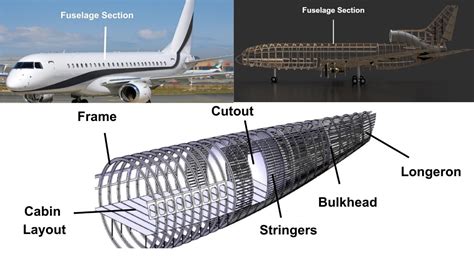
This process involves several complex challenges. Companies that once supplied parts may no longer exist. Others may demand significantly higher prices to restart production. In some cases the materials originally used in the aircraft might no longer be manufactured.
Even when suppliers remain available, the original tooling may require expensive refurbishment before it can produce parts again.
For a global manufacturer like Boeing or Airbus, rebuilding this industrial web could cost billions of dollars.
Investing that same money into a next-generation aircraft design often provides a better long-term return.
Certification and Modern Safety Standards
Aviation regulations evolve continuously as engineers learn more about safety and system reliability. Aircraft designed decades ago were certified under regulatory frameworks that may differ significantly from today’s standards.
Restarting production of a legacy jet would require authorities such as the Federal Aviation Administration (FAA) or the European Union Aviation Safety Agency (EASA) to reassess the aircraft.
That process could require major updates, including:
- Modern digital avionics systems
- Updated cockpit display architecture
- Revised flight control protections
- Structural changes to meet modern safety margins
Recent events have made regulators even more cautious. Certification processes now involve deeper scrutiny and more extensive testing than in previous decades.
The result is that reviving an aircraft designed in the 1980s might involve substantial redesign work before regulators approve new production.
Market Conditions That Could Spark a Revival
Despite all these obstacles, the aviation industry occasionally revisits the idea of legacy aircraft production when market conditions shift.
Air travel demand has surged in recent years, yet manufacturers have struggled with supply chain disruptions and production delays. Airlines waiting for new aircraft sometimes face delivery schedules stretching years into the future.
This situation has forced carriers to extend the service lives of older aircraft such as the Boeing 757 and Boeing 767. Maintenance programs keep these jets flying safely, but they cannot remain in service forever.
At the same time, there remains a gap in the market between large narrowbody jets and smaller widebodies. That segment—sometimes called the “middle of the market”—is precisely where the 757 once thrived.
Airbus has partially addressed this space with the A321XLR, a long-range narrowbody capable of flying transatlantic routes. Boeing has studied various concepts for a future aircraft aimed at the same niche.
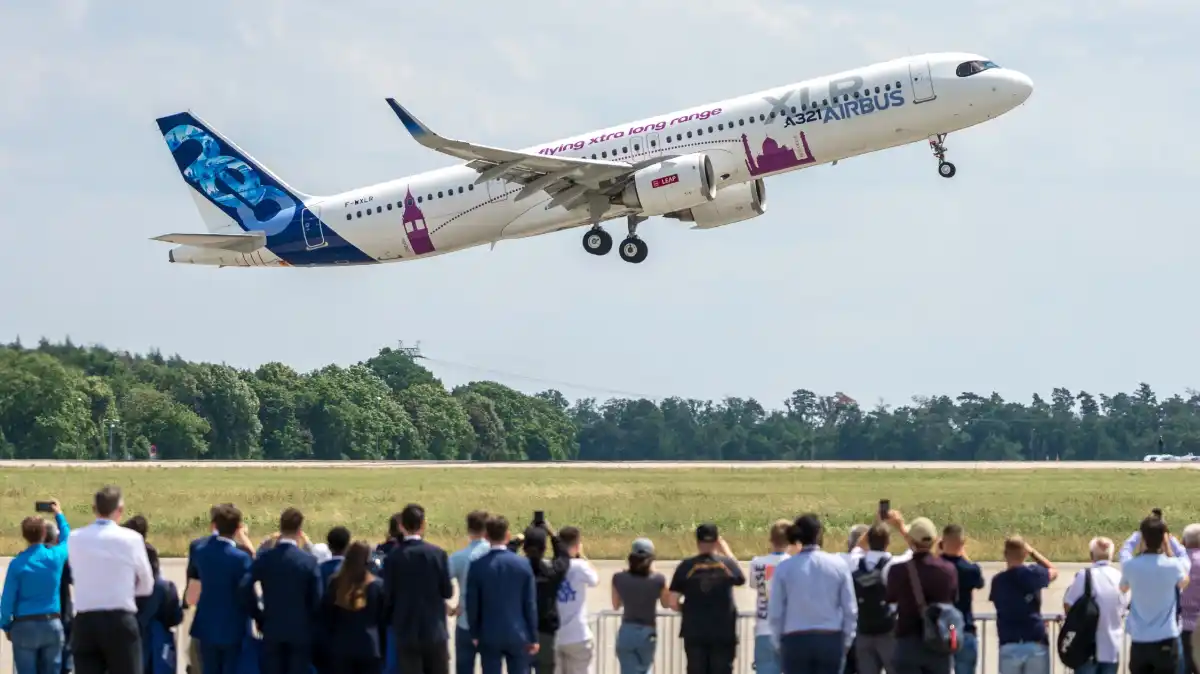
These developments highlight the industry’s preference for new aircraft designs rather than reviving old ones. Yet the continued interest in this market segment shows why the legacy aircraft conversation never truly disappears.
Lessons from the Boeing 747-8
History does provide one example of a partial revival. In the early 2000s Boeing launched the 747-8, a modernized evolution of the classic 747.
The aircraft incorporated:
- New engines derived from the 787 program
- A redesigned wing with improved aerodynamics
- Updated avionics and flight systems
Although it retained the recognizable 747 shape, the aircraft was effectively a heavily modernized derivative rather than a simple restart of the original program.
Even with those improvements, passenger demand for very large aircraft declined as airlines shifted toward smaller, more flexible twin-engine jets. The final 747 rolled off the production line in 2023.
The lesson is revealing: even legendary aircraft face steep economic hurdles in modern aviation.
Why Manufacturers Prefer New Aircraft Programs
Aircraft development is expensive. Designing and launching a new jetliner can cost tens of billions of dollars. Yet restarting an older aircraft may require nearly the same level of investment once modernization, certification, and supply chain reconstruction are considered.
If a company must spend billions anyway, engineers often prefer to start with a clean sheet of paper. New designs allow manufacturers to incorporate the latest advances in:
- Composite materials
- Aerodynamic efficiency
- Engine technology
- Digital flight systems
A new aircraft also positions the company for decades of future production.
Legacy designs, no matter how beloved, ultimately reflect the technological assumptions of their original era.
Hard, Rare, But Not Completely Impossible
Restarting production of legacy aircraft remains one of aviation’s most fascinating “what if” scenarios. Jets like the Boeing 757, Boeing 747, and Airbus A380 continue to inspire admiration because they solved problems in ways that still resonate today.
Yet the modern aerospace industry operates within a highly interconnected system of technology, regulation, and global manufacturing. Once a production line closes, the infrastructure that supported it gradually disappears.
Reassembling that ecosystem years later requires enormous financial investment and coordination across hundreds of companies and regulatory agencies.
For this reason, reviving legacy jets is extremely unlikely in most cases.
Still, aviation history has repeatedly demonstrated that market forces can produce unexpected outcomes. Under the right circumstances—such as severe capacity shortages or a highly specialized market demand—manufacturers might consider limited production runs or heavily modernized versions of classic aircraft.
Even if those aircraft never return to production, their influence continues shaping the designs that follow. The next generation of airliners will inevitably carry lessons learned from the legendary jets that defined earlier eras of flight.
In aviation, nothing truly disappears. It simply evolves into the next machine that pushes humanity a little farther across the sky.