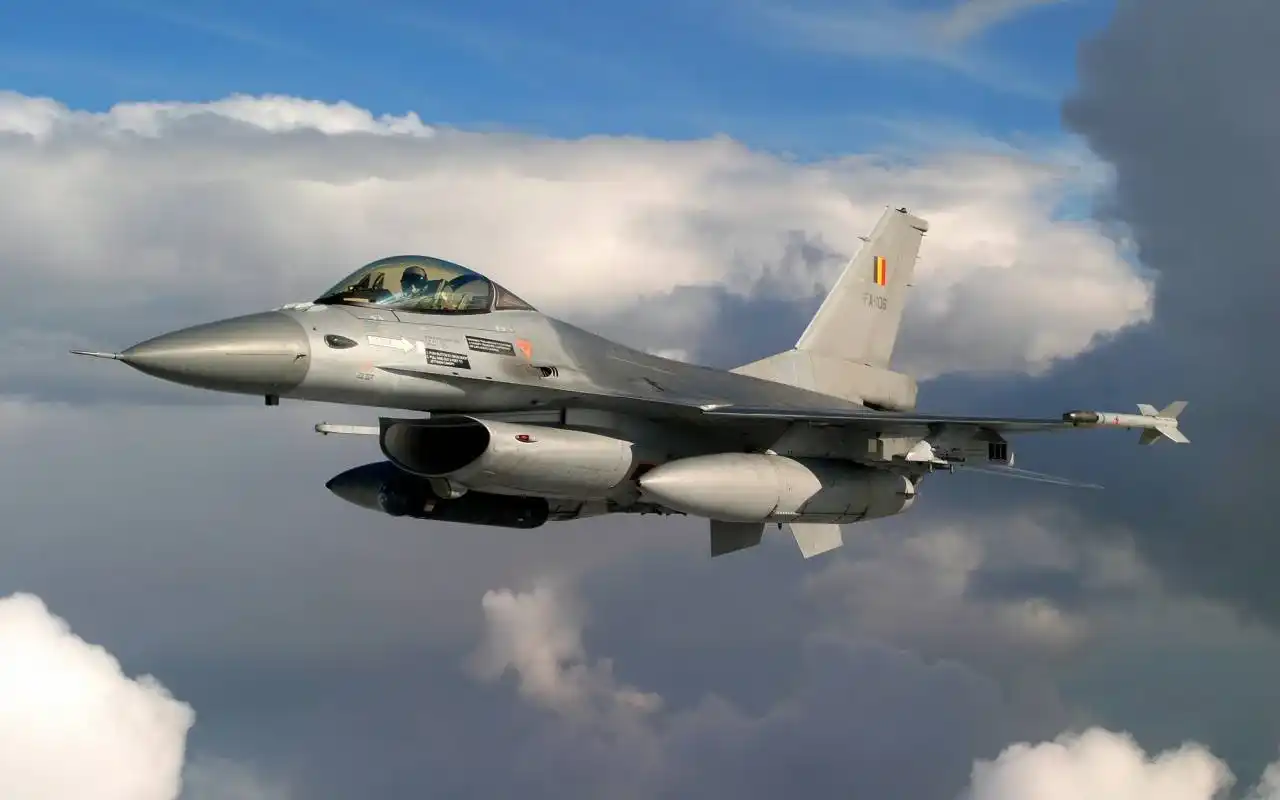
The General Dynamics F-16 Fighting Falcon, now produced by Lockheed Martin, has been a cornerstone of air forces worldwide since its introduction in the late 1970s. Despite the emergence of fifth-generation fighters like the F-35 Lightning II, the F-16 remains an essential asset for many air forces due to its cost-effectiveness, versatility, and continuous upgrades. A pressing question among aviation enthusiasts and defense analysts is whether the F-16 is still in production and active service. The answer is a resounding yes.
This article explores the current production status, ongoing service life, upgrades, and future outlook of the F-16 Fighting Falcon.
F-16 Production Status: Continuing Legacy
Restarting the Production Line
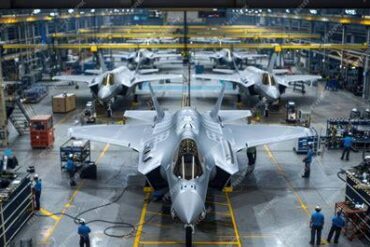
The F-16 production line experienced a temporary halt in 2017. However, due to growing international demand, Lockheed Martin relocated and restarted production at its Greenville, South Carolina, facility in 2023. The company aims to achieve an annual production rate of 48 aircraft by the end of 2025.
The renewed production primarily focuses on the F-16 Block 70/72 variant, also known as F-16V, which incorporates significant technological advancements over earlier models.
Current Orders and Global Demand
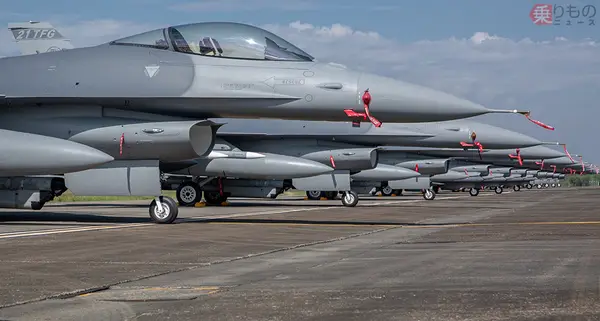
The global interest in the F-16V remains strong, with over 140 confirmed orders from multiple countries, including:
- Bahrain
- Bulgaria
- Slovakia
- Taiwan
- Morocco
- Jordan
The Greenville plant delivered the first Bulgarian F-16V in February 2025, with the rest of the order expected to be completed between 2025 and 2026.
Upgrades to Existing Fleets
Besides new production, numerous air forces continue to modernize older F-16 variants to F-16V standards. Countries such as Turkey plan to upgrade 40 F-16A/B/C/D models, extending their service life while integrating next-generation avionics and combat capabilities.
F-16V: A Fourth-Generation Fighter with Advanced Capabilities
The F-16V is often referred to as a “4.5-generation fighter” due to its integration of advanced technologies typically found in fifth-generation aircraft. The key enhancements include:
1. Radar and Avionics
- AN/APG-83 AESA Radar – Provides superior target tracking, longer-range detection, and electronic warfare resilience.
- Advanced Mission Computers – Enhances real-time data processing and battle management.
- Helmet-Mounted Cueing System – Allows pilots to lock onto targets with head movements.
2. Weapons and Combat Effectiveness
- Compatible with air-to-air missiles such as the AIM-9X Sidewinder and AIM-120 AMRAAM.
- Capable of deploying precision-guided munitions like JDAMs (Joint Direct Attack Munitions) and AGM-158 JASSM (Joint Air-to-Surface Standoff Missile).
3. Enhanced Survivability and Network Integration
- Integrated Electronic Warfare Suite – Provides improved countermeasures against enemy radars and missiles.
- Link 16 Data Link – Enables real-time information sharing with allied aircraft and ground forces.
These advancements allow the F-16V to operate effectively in modern combat environments while maintaining a lower operational cost than stealth aircraft like the F-35.

F-16 in Active Service: A Global Powerhouse
Despite the rise of fifth-generation fighters, the F-16 remains a critical component of numerous air forces worldwide. More than 3,100 F-16s are currently operational across 25+ nations.
Roles and Missions
The F-16 continues to serve in multiple capacities, including:
- Air Superiority Missions – Engaging enemy aircraft in dogfights and beyond-visual-range combat.
- Ground Attack and Close Air Support – Delivering precision strikes against enemy positions.
- Reconnaissance Operations – Conducting surveillance using specialized sensor pods.
Recent Deployments
The F-16 has played a crucial role in recent conflicts and deterrence operations, including:
- Middle East Operations – Supporting coalition airstrikes against terrorist groups.
- NATO Defense Missions – Enhancing air policing in Eastern Europe amid rising tensions.
- Taiwan Strait Patrols – Strengthening deterrence against potential regional threats.
Upcoming Potential Operators
Several nations, including Ukraine, have expressed interest in acquiring F-16s, either through direct purchases or second-hand acquisitions from allied nations. This underscores the fighter’s enduring relevance in modern warfare.
Future Outlook: Longevity and Continued Relevance
Sustained Production and Upgrades
The F-16’s design ensures a long operational lifespan, with some aircraft projected to remain in service until the 2060s. The following factors contribute to its longevity:
- Structural Enhancements – Extending airframe life beyond 12,000 flight hours.
- Continuous Software and Hardware Upgrades – Keeping the aircraft competitive in evolving battlefields.
Potential Market Expansion
Beyond the confirmed orders, additional nations may join the F-16 customer base, particularly in Southeast Asia, Eastern Europe, and the Middle East. The fighter remains a cost-effective alternative for air forces that cannot afford fifth-generation jets.
Comparative Advantage over Fifth-Generation Fighters
While stealth fighters like the F-35 dominate next-generation airpower, the F-16 retains a unique niche due to its:
- Lower Maintenance Costs – More affordable to operate than stealth aircraft.
- Proven Combat Record – Battle-tested in dozens of conflicts over the past four decades.
- Ease of Integration – Compatible with existing infrastructure in many air forces.
Conclusion
The F-16 Fighting Falcon remains in active production and frontline service worldwide. The restart of production at the Greenville facility and the continuous demand for the F-16V variant demonstrate the fighter’s ongoing relevance in modern air combat.
With over 140 new orders, continuous upgrades to older fleets, and global demand for cost-effective airpower, the F-16 shows no signs of fading away. It continues to be a versatile, reliable, and effective combat aircraft, ensuring its legacy as one of the most successful fighters in aviation history.