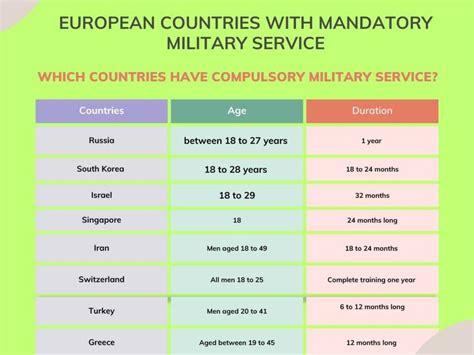
Despite widespread global shifts toward professional volunteer armies, mandatory military service remains a living institution in many European countries. Whether due to geopolitical anxiety, historical tradition, or national security policies, conscription has not disappeared from the continent. In fact, in some places, it’s making a vigorous comeback.
Mandatory Service in NATO-Aligned European Countries
Among NATO states, nine countries currently enforce mandatory military service. These include Greece, Turkey, Norway, Denmark, Estonia, Finland, Latvia, Lithuania, and Sweden. Each nation follows a unique framework, yet all share the belief that conscription plays a vital role in national readiness and societal duty.
The Nordic Model: Tradition Meets Necessity
In the Nordic region, Norway, Finland, and Denmark have long maintained conscription. In Norway, both men and women are subject to gender-neutral conscription, a progressive stance shared only with Sweden. Finland mandates service for all males aged 18 to 60, with varying lengths depending on specialization. Denmark operates a lottery-based model, calling up around 4,700 conscripts annually based on a mix of volunteers and randomly selected candidates.
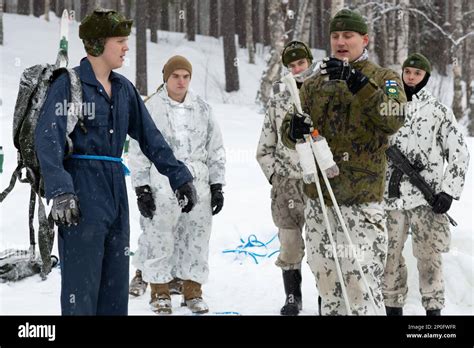
Sweden, which reintroduced conscription in 2017 after a hiatus, cites emerging security threats in the Baltic region as a primary motivator. Only a fraction of eligible citizens are called, selected based on aptitude and motivation. This approach ensures quality while retaining the psychological and logistical readiness of a national force.
Baltic Vigilance
Latvia and Lithuania are countries where conscription has returned in direct response to regional instability. Latvia reinstated conscription in 2024. Initially voluntary, the scheme now uses a lottery mechanism to meet quotas. Volunteers receive double the pay, creating an incentive to step forward rather than await selection. Lithuania, facing similar pressures, employs a hybrid lottery-volunteer model to sustain its defense capacity.
Estonia, meanwhile, never abolished its conscription system. All men must serve between 8 and 11 months, and the country emphasizes reserve force training as an integral component of its defense doctrine.
Greece and Turkey: Militarization Amid Tensions
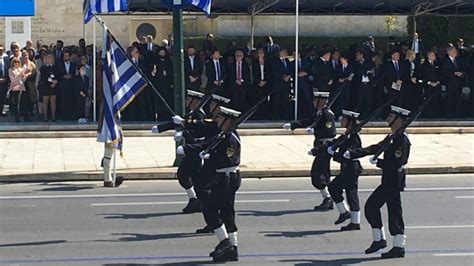
Towards NATO’s southern frontier, Greece and Turkey maintain compulsory service against a backdrop of historic rivalry. Greece mandates 9 to 12 months of service for males, while Turkey’s conscription spans 6 to 12 months, depending on educational background and role. Both countries justify this policy on the basis of regional friction and border security, especially regarding the Eastern Mediterranean and Cyprus.
Reintroducing the Draft: Croatia, France, and Germany
While many countries phased out conscription post-Cold War, modern threats have reversed that trend. Croatia plans to reintroduce mandatory service in 2026, following rising military tensions in Eastern Europe. France and Germany, meanwhile, are pursuing voluntary national service programs, often framed as civil or defense service hybrids. While optional for now, both nations acknowledge that compulsory service could return if volunteer numbers dwindle.
Germany, which ended conscription in 2011, is grappling with defense personnel shortages and is openly debating a return to universal or selective national service. France’s program, called the “Service National Universel,” focuses more on civic cohesion and community involvement than combat readiness.
Non-NATO States with Compulsory Military Service
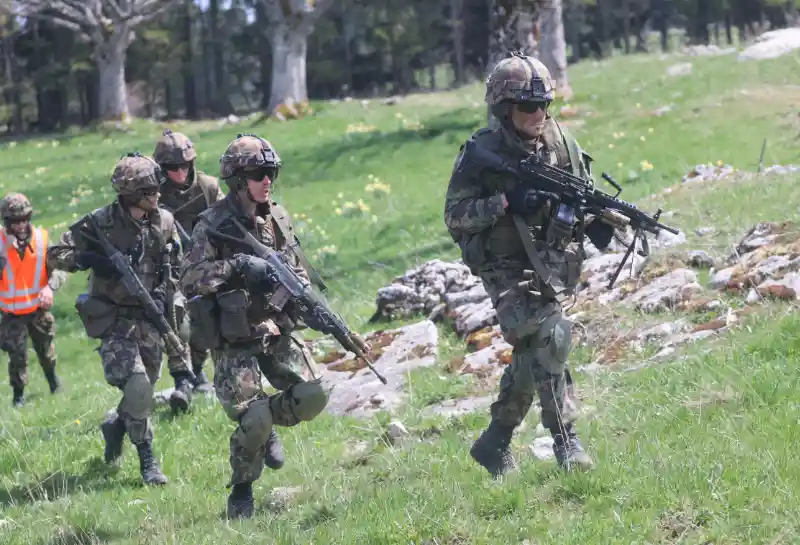
Conscription is not the exclusive domain of NATO members. Austria and Switzerland, both historically neutral, maintain compulsory military frameworks as part of their national defense ethos. Austria requires 6 months of military or 9 months of civilian service for all men. Switzerland mandates basic training and refresher courses over a 10-year span, forming a deep and ready reserve.
In Cyprus, conscription remains tightly linked to ongoing regional disputes and the presence of Turkish forces in Northern Cyprus. All Greek-Cypriot males are required to serve 14 months, reflecting the island’s fragile geopolitical situation.
Eastern Europe’s Conscript Foundations
The military strategies of Belarus, Moldova, and Transnistria rest almost entirely on conscription. In Belarus, conscripts serve for 18 months, forming the backbone of the country’s armed forces. Moldova enforces mandatory service, as does the breakaway territory of Transnistria, though its legitimacy as a state is contested internationally.
Ukraine and Russia: War and Mass Mobilization
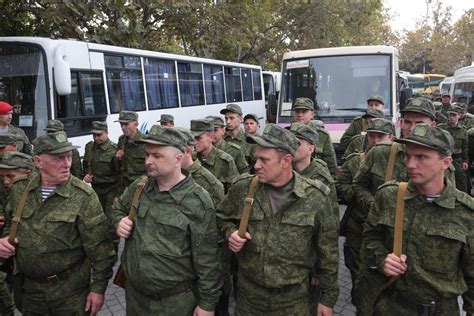
No discussion of European conscription can avoid Ukraine and Russia, where mandatory military service is a central feature of wartime mobilization. Ukraine, since the beginning of the Russian invasion, has intensified its draft efforts, extending conscription and integrating territorial defense units into its war strategy.
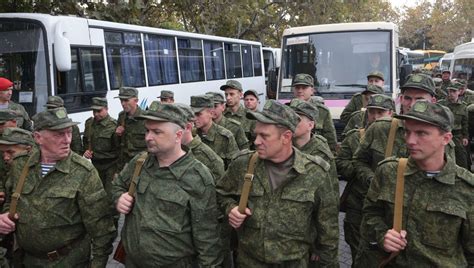
Russia, similarly, maintains a 12-month compulsory service program. However, amid the Ukraine conflict, the Kremlin has expanded partial mobilizations, compelling reservists and additional draftees to support its military operations. Both nations illustrate how conscription remains a critical tool during protracted warfare, supplementing professional troops with broader societal participation.
Models of Conscription: Universal, Lottery, and Selective
European conscription models vary, but typically follow one of three main formats:
- Universal Mandatory Service: Applies broadly to all eligible individuals, as seen in Finland.
- Lottery-Based Systems: A limited number are chosen from a larger pool, such as in Denmark, Latvia, and Lithuania.
- Selective Compulsory Service: Legal obligation exists, but only a highly qualified subset is drafted, used in countries like Sweden and Norway.
These formats reflect differing strategic needs and political attitudes toward service. For example, Sweden’s selective system is designed to optimize readiness while minimizing societal disruption, whereas Finland’s model prioritizes national cohesion through shared civic duty.
Gender and Military Service in Europe
Gender norms in conscription policies vary significantly. In Norway and Sweden, gender-neutral conscription is enshrined in law. Both men and women undergo the same selection process, and participation is widely regarded as a national rite of passage. In contrast, Finland and Latvia allow female volunteers, but do not subject women to compulsory service.
This divergence illustrates broader social and political views regarding gender roles in national defense. While gender-inclusive policies promote equity and capability, many nations still prioritize male-only service, citing tradition or resource constraints.
The Role of Conscription in Modern Europe
Mandatory military service in Europe is not a relic of the past — it’s a resilient and evolving tool. Whether in response to security threats, as in Ukraine, or as part of cultural identity, as in Switzerland, conscription continues to shape civil-military relationships.
In an age of hybrid warfare and technological arms races, some might expect the draft to fade away. Yet, Europe’s recent history proves the opposite. Compulsory military service remains a deeply embedded institution, one that countries adapt rather than abandon — reaffirming that in times of uncertainty, mass participation in national defense still matters.