Air travel has always been a delicate balance between shared space and personal comfort. In recent years, airlines have increasingly tightened expectations around in-flight etiquette, particularly when it comes to noise from personal electronic devices. A recent incident aboard an American Airlines flight from Miami to Tampa has reignited debate about passenger behavior, personal freedom, and the growing enforcement of “quiet cabin” policies across the airline industry.
The situation unfolded when a passenger began playing a video on her cellphone without headphones while the aircraft was preparing for departure. What may have seemed like a minor annoyance quickly escalated into a confrontation that ultimately ended with the passenger being removed from the aircraft by police. The event, captured by multiple travelers on their phones, illustrates how something as simple as a loud video can spiral into a disruption that affects an entire flight.
Airlines worldwide have long maintained rules requiring passengers to behave respectfully toward fellow travelers and crew. However, as personal devices become more central to the travel experience, enforcement of these rules is becoming increasingly visible—and sometimes dramatic.
Passenger Removed After Loud Video Sparks Confrontation
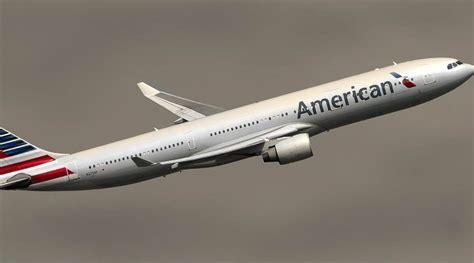
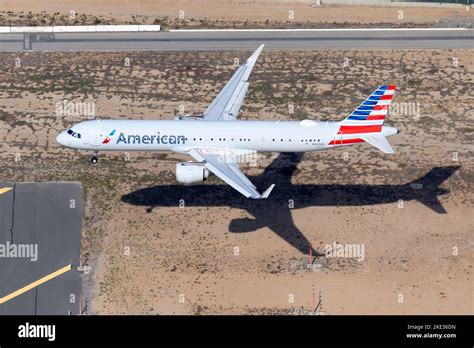
According to reports from passengers and media coverage, the Fort Worth–based American Airlines flight was scheduled to operate the short route between Miami International Airport and Tampa. During boarding or pre-departure procedures, a female passenger began watching a video on her phone using the device’s speaker rather than headphones.
A cabin crew member approached the passenger and asked her to either lower the sound or use headphones. Airline employees are trained to address such situations calmly, typically starting with a polite reminder of onboard policies. In this case, the passenger reportedly ignored the initial request.
When the crew member repeated the warning a second time, the situation escalated. Witnesses described the passenger as appearing intoxicated and becoming verbally aggressive toward the flight attendant. Rather than complying, she allegedly began shouting and directing profanity at the crew.
At that point, the crew determined the behavior qualified as a disruptive situation under the airline’s conditions of carriage, the contractual rules that govern passenger conduct during travel.
Police Called as Situation Escalates
Once the confrontation intensified, the crew made the decision to involve law enforcement. Officers boarded the aircraft before departure and approached the passenger to resolve the situation.
Video footage circulating online shows the passenger arguing with officers as they attempted to escort her off the aircraft. During the exchange, she insisted that the reaction was excessive and claimed the video had only been playing briefly.
“I played a video for 30 seconds at 50% sound,” she reportedly said, questioning why she was being removed from the plane.
The passenger also invoked the concept of free speech, asking whether the situation contradicted the idea of “free-speech America.” One officer responded calmly, explaining that she would have the opportunity to express her concerns once she had exited the aircraft, away from the confined environment and the audience of other travelers.
Eventually, officers escorted the passenger off the plane. As she left, she directed sarcastic remarks toward other passengers who had recorded the confrontation on their phones and made a rude gesture toward the cabin.
Her exit prompted applause from several passengers who had witnessed the disruption unfold.
Why Airlines Are Enforcing Quiet Cabin Policies
The incident highlights a growing focus across airlines on maintaining a quiet cabin environment. Modern flights often involve dozens or hundreds of passengers sharing a confined space for hours at a time. Even small disturbances—such as loud music, video audio, or phone conversations—can quickly irritate nearby travelers.
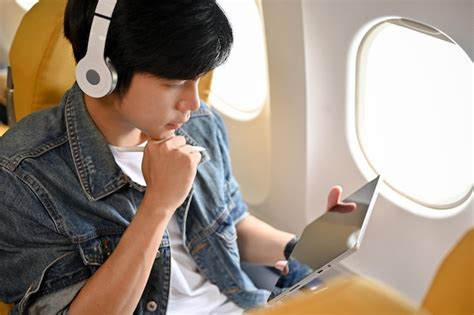
Airlines have responded by embedding clear expectations into their policies. These rules typically require passengers to use headphones or earphones when watching videos, listening to music, or playing games on personal devices.
For American Airlines, the conditions of carriage specifically require passengers to behave respectfully toward crew members and fellow travelers. Failure to comply with crew instructions, particularly when it disrupts the cabin environment, can result in removal from the flight.
The reasoning behind the policy is straightforward: a single phone speaker can easily dominate the quiet hum of a pressurized cabin, especially during boarding, taxi, or cruise when passengers are trying to rest or work.
Industry-Wide Rules on Personal Device Noise
American Airlines is far from alone in enforcing such standards. Across the aviation industry, similar rules exist to ensure that personal entertainment devices do not become communal noise sources.
Many carriers explicitly state that audio played aloud is not permitted. Some airlines go further by providing complimentary earphones to passengers who may have forgotten their own.
United Airlines, for example, includes language in its contract of carriage allowing the airline to deny transportation or remove passengers who refuse to follow headphone requirements. On many of its flights, the airline distributes earbuds to help passengers comply with the rule.
These policies are part of a broader effort by airlines to prevent minor annoyances from evolving into larger conflicts that can delay flights or create safety concerns.
The Growing Importance of Passenger Etiquette
The American Airlines incident demonstrates how modern air travel increasingly depends on cooperation between passengers and crew. While rules may appear strict on the surface, they are designed to protect the shared experience of everyone onboard.
A quiet, orderly cabin environment allows flight attendants to focus on safety and service rather than conflict resolution. It also ensures that passengers who wish to sleep, read, or work can do so without unnecessary distractions.
Disruptive behavior—even something that begins as small as playing a video on speaker—can escalate rapidly when emotions rise and compliance breaks down. In extreme cases, it can lead to removal from the flight, travel bans, or even legal consequences.
For travelers, the lesson is simple: pack a pair of headphones and follow crew instructions. In the tightly controlled environment of a commercial aircraft, small gestures of courtesy go a long way toward ensuring that every passenger reaches their destination peacefully.