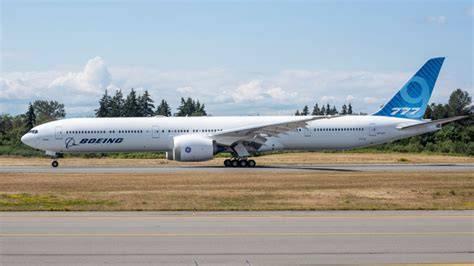
Boeing is finally approaching the point where two of its most important new commercial aircraft can move from years of testing and certification into airline service. The 737 MAX 10 and 777-9 have both suffered major delays, but the programs are now much closer to the finish line than they were even a year ago. For Boeing, their arrival in airline fleets is about more than adding two new aircraft types. It represents a critical step in restoring momentum across its commercial aircraft business.
The two jets are taking very different paths toward certification. The 737 MAX 10 is an extended member of an already certified family, while the 777-9 is the first aircraft in an extensively redesigned 777X family. That distinction explains much of the difference in their certification workload and why Boeing expects the MAX 10 to enter service first.
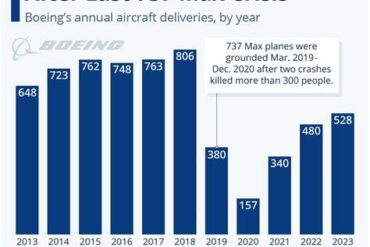
Both aircraft were originally intended to enter commercial service around 2020, but technical issues, regulatory scrutiny, development delays, and the broader consequences of the 737 MAX crisis pushed those schedules dramatically. Now, Boeing’s latest plans point toward 2027 entry into service, with the MAX 10 expected to arrive first and the 777-9 following later.
Boeing 737 MAX 10 Certification Is Almost at the Finish Line
The 737 MAX 10 is currently the closest of the two aircraft to becoming an operational passenger jet. Boeing completed its certification flight testing on July 28, alongside the smaller 737 MAX 7. The MAX 10 had accumulated nearly 1,000 certification flights and more than 2,000 flight hours, giving the FAA a substantial amount of data to examine.
The completion of flight testing, however, does not mean the aircraft can immediately begin carrying passengers. Boeing must still complete the remaining certification documentation and regulatory work, while the Federal Aviation Administration (FAA) must review the evidence and determine whether the aircraft satisfies all applicable requirements. This final stage can be less visible than flight testing, but it is essential to the certification process.
One of the most important remaining areas involves Development Assurance Reviews (DARs) and system safety assessments. These processes examine whether Boeing’s development practices and safety-related systems meet the required standards. Since the MAX 8 and MAX 9 have already been certified, the MAX 10 benefits from an existing regulatory foundation. Nevertheless, its differences must still be evaluated.
The aircraft’s size is one of those differences. The MAX 10 is the longest version of the 737 MAX family, and its design changes affect systems, performance, handling characteristics, and other areas that must be demonstrated to the regulator. Boeing therefore cannot simply treat the aircraft as an automatically approved extension of the MAX 8 or MAX 9.
The 737 MAX 10’s Anti-Ice System Was a Major Hurdle
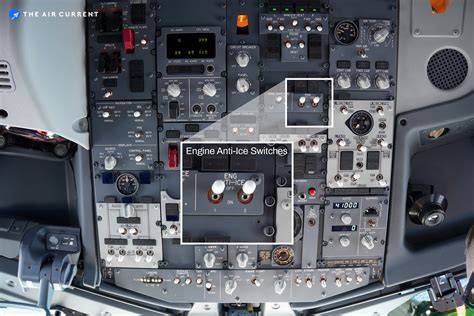
One of the biggest technical issues affecting the latest MAX variants has involved the engine anti-ice system. In 2023, testing identified a condition in which prolonged operation of the system in dry conditions could cause damage to the engine nacelle.
That discovery forced Boeing to develop new hardware and software. The company initially sought a safety waiver from the FAA but eventually withdrew the request, meaning the underlying technical issue had to be addressed rather than simply accommodated through an exemption.
Boeing completed the new engine anti-ice system in November 2025, clearing an important obstacle for both the MAX 7 and MAX 10. The FAA also required an updated crew alerting system for the two variants. The MAX 7 was ultimately certified with those changes incorporated, establishing an important regulatory precedent for the MAX 10.
That matters because the MAX 10 is not being certified in isolation. Boeing will eventually need to introduce the updated systems on existing MAX 8 and MAX 9 aircraft as well, with aircraft already in airline service requiring retrofits. The MAX 10 therefore represents another step in completing the technical evolution of the broader MAX family.
Why the 737 MAX 10 Matters So Much to Boeing
The importance of the MAX 10 extends well beyond its certification date. Boeing has received more than 1,400 orders for the aircraft, making it one of the manufacturer’s most commercially significant new products.
Its principal competitive target is the Airbus A321neo, which has become exceptionally successful in the single-aisle market. Airlines want aircraft that can carry more passengers than conventional narrowbodies while offering lower operating costs than widebody aircraft on many routes. The MAX 10 is Boeing’s answer to that demand.
For airlines that already operate large 737 fleets, the MAX 10 also offers substantial commonality. Crews, maintenance organizations, airport operations, and fleet planners can build on existing 737 infrastructure rather than introducing an entirely different aircraft family.
Several major airlines are waiting for the aircraft. Alaska Airlines, Delta Air Lines, United Airlines, and WestJet are among the carriers preparing to receive MAX 10s. WestJet expects to begin operating the type during the first three months of 2027, while other customers are planning deliveries during the year.
For United in particular, the aircraft arrives at an interesting moment. The airline has been pursuing significant network growth while also planning to retire older aircraft. New MAX 10 deliveries could therefore allow it to replace aging capacity without abandoning expansion plans.
The Boeing 777-9 Faces a Much Bigger Certification Challenge
The 777-9 is at a very different point in its certification journey. Unlike the MAX 10, it is the first aircraft in a new 777X family to go through certification. That means the FAA is evaluating a much larger collection of new technologies and structural changes.
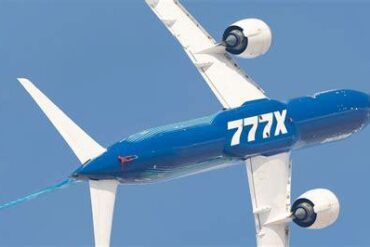
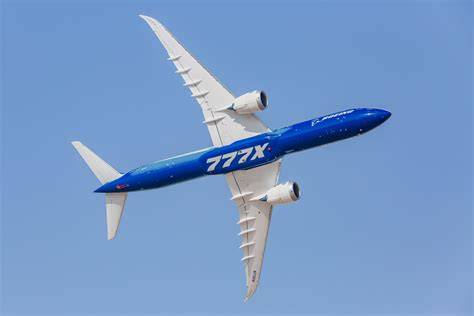
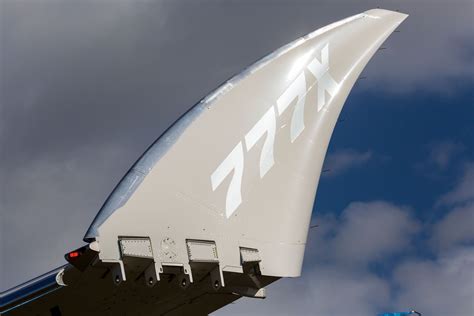
The 777-9 incorporates a new wing, new engines, a new cockpit, folding wingtips, and numerous other design changes. Each major change creates additional certification work, because regulators must establish that the aircraft’s systems and structures operate safely as an integrated aircraft.
The FAA’s increased level of oversight also matters. Following the 737 MAX accidents and subsequent grounding, regulators have placed greater emphasis on direct scrutiny of aircraft design and safety systems. That environment inevitably makes the certification of an aircraft such as the 777-9 more demanding.
The program has already experienced several significant setbacks. Earlier development and testing exposed issues including a cargo door failure and thrust-link problems. Those issues created additional engineering and testing work, although the major problems have largely been addressed.
The focus has now shifted toward demonstrating that the final aircraft design satisfies the FAA’s safety requirements across the remaining certification areas.
777-9 Flight Testing Has Passed the Halfway Mark
The 777-9 has accumulated more than 1,700 flights and over 4,800 flight hours, putting the aircraft beyond the halfway point in its certification flight-testing program.
One recent milestone was particularly notable because the MAX 10 and 777-9 completed critical heavy icing testing on the same day. The 777-9 remained airborne for more than eight and a half hours, while the MAX 10 flew for roughly six hours.
The program is also progressing through Phase 4B of the FAA’s Type Inspection Authorization (TIA) process. This is an important part of the regulatory pathway because it allows the FAA to evaluate the aircraft’s compliance through formal inspection and testing activities.
The 777-9 is simultaneously undergoing ETOPS certification work. A seventh test aircraft recently began ETOPS flights, adding another major component to the program’s remaining workload. For an aircraft expected to perform long-haul missions across oceans and remote regions, demonstrating the required level of reliability for extended operations is essential.
Once the required testing is completed, the FAA will review the collected data and assess whether the aircraft’s design and systems satisfy the necessary standards.
When Will the 777-9 Receive Its Type Certificate?
Boeing currently expects the 777-9 to receive its type certificate by late 2026 or early 2027. That would put the aircraft on track for deliveries during the second quarter of 2027.
The exact timing remains less certain than the MAX 10 because there is simply more certification work involved. Boeing must complete the remaining flight testing, ETOPS work, regulatory documentation, and FAA review before the aircraft can formally enter airline service.
The first passenger airline expected to operate the 777-9 is Lufthansa, which plans to introduce the aircraft during the 2027 summer season. That timing gives Boeing some room between certification and the beginning of regular passenger operations, although the manufacturer still has considerable work to complete.
The aircraft will eventually become a flagship for several major international airlines, including Emirates, Qatar Airways, Singapore Airlines, Cathay Pacific, British Airways, Korean Air, ANA, Air India, Etihad Airways, Ethiopian Airlines, and China Airlines.
Boeing Has Another Problem After 777-9 Certification
Certification is not the final challenge for the 777-9. Boeing has already produced several aircraft intended for customers, but the design has evolved during the lengthy development and certification process.
That creates a complicated production issue. Some early-built aircraft will require rework before they can be delivered in a configuration acceptable to airlines. Reworking aircraft that have already been assembled is expensive, can add weight, and consumes manufacturing resources that could otherwise be used for new production.
Some early aircraft have consequently attracted the informal nickname “terrible teens.” Emirates and Lufthansa have indicated that they do not want certain reworked early-production aircraft, illustrating just how sensitive airlines can be to the weight and configuration of their new flagship jets.
This issue could become particularly important as Boeing transitions from certification aircraft to stable production. The manufacturer needs to deliver aircraft that meet customer expectations while simultaneously managing the consequences of changes made during a lengthy development program.
What Still Needs to Happen Before Both Aircraft Enter Service
For the MAX 10, the remaining path is comparatively straightforward: Boeing must complete its development assurance and system safety work, while the FAA completes its evaluation and issues the type certificate. After certification, Boeing and its airline customers must prepare the aircraft for delivery, crew training, maintenance, operational procedures, and passenger service.
The 777-9 has a longer checklist. Boeing must complete the remaining certification flight testing, continue ETOPS work, finish the TIA process, submit the required technical evidence, and then wait for the FAA’s final review. Following certification, Boeing must also prepare customer aircraft for delivery and address the configuration of early-production jets.
The timing of those final steps explains why the two aircraft are expected to arrive several months apart. The 737 MAX 10 is further along, while the 777-9 still has more first-of-type technology and certification work to clear.
2027 Could Become a Defining Year for Boeing
If both programs remain on their current trajectories, 2027 will be one of the most consequential years for Boeing’s commercial aircraft division in decades. The MAX 10 will finally give Boeing a direct answer to the A321neo at the upper end of the narrowbody market, while the 777-9 will introduce a new generation of Boeing’s flagship long-haul widebody.
The stakes are especially high because these aircraft have been delayed so substantially from their original schedules. Airlines have already spent years planning fleets around their expected arrival, and many customers need the new aircraft to support replacement and growth strategies.
For Boeing, successful certification is therefore only the beginning. The company must transition from an extended period of development and testing into reliable production, predictable deliveries, and dependable airline operations.
The finish line is now clearly visible. The MAX 10 is essentially waiting for the final regulatory decision, while the 777-9 is continuing through the more demanding final stages of certification. If Boeing can complete those steps without another major setback, both aircraft should finally move from long-running development programs into everyday airline service in 2027—a milestone that would close one of the most drawn-out chapters in the company’s modern commercial aviation history.