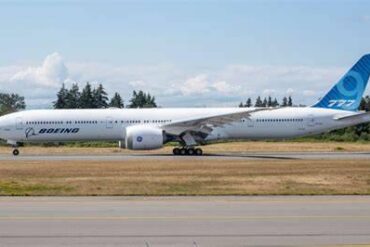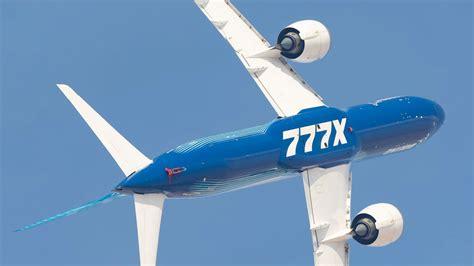
The Boeing 777X program has reached a pivotal moment as the long-awaited next-generation widebody inches closer to delivery. Despite years of delays, intensified regulatory scrutiny, and evolving certification standards, Boeing is positioning the 777X for a more confident entry into service beginning in 2027. Yet one detail stands out more than any other: the oldest built 777X aircraft—now more than five years past their structural assembly—will not be the first delivered.
The reason lies in the aircraft’s evolving production standards. Those early 777X frames were built when Boeing still expected to hand over the aircraft in 2020. At that time, Boeing had already begun constructing customer-bound jets, meaning several airframes existed even before the first prototype took flight. While their flight age remains technically zero, their fuselages have aged in storage, and—more critically—were built to specifications that have since changed. Boeing’s newest build standard reflects updated certification requirements and refined system integrations, making the later-built jets the most delivery-ready.
Why Older Boeing 777Xs Are No Longer First in Line
Boeing executives confirmed that earlier-built 777X aircraft do not meet the updated configuration needed for certification and customer operations. Darren Hulst, Boeing’s Vice President of Commercial Marketing, explained that several changes—ranging from flight-control software to structural refinements—must be incorporated into the stored jets before they can be delivered. These updates will require extensive modification campaigns, effectively pushing them behind the latest-production aircraft.
The jets currently rolling off the production line reflect the latest configuration Boeing and regulators expect to certify. Because of this, new builds will leapfrog the older inventory and become the first to enter commercial service. This sequencing ensures airlines receive fully updated aircraft without additional downtime for conversion work.
Lufthansa Still Positioned as the Launch Customer
The first delivery remains targeted for Lufthansa in 2027. The German carrier has held this position through multiple rounds of delays, even as rival Qatar Airways previously claimed it would receive the first aircraft. Boeing now indicates the gap between the first, second, and third operators will be minimal—measured in weeks, not months—once deliveries begin.
Despite the accelerated pace expected post-certification, launch-customer exclusivity will be brief. Boeing projects an initial rate of three to five aircraft per month, with potential increases as global capacity ramps. This brisk tempo should quickly populate fleets across Europe and the Middle East.
How Airlines Plan to Use Their 777X Fleets
During the Dubai Airshow 2025, Boeing shared insight into how airlines intend to deploy the 777X. While only 30% of all new aircraft deliveries in the Middle East target fleet replacement, the 777X breaks this trend. Roughly half of all 777X orders are tied to replacing older widebodies—especially aging Boeing 777-300ERs—while the remaining half supports growth.
This split differs significantly from programs like the 737 MAX or the 787 Dreamliner, where growth dominates demand. The 777X appeals strongly to carriers operating in extreme environments, with two-thirds of orders coming from airlines based in high-heat, high-sand regions such as the Gulf. Its fuel burn improvements, expanded range, and higher efficiency make it an ideal successor for long-haul flagship routes.
What Happens to the Oldest 777X Aircraft?
Those first-built 777X aircraft have essentially become modification candidates rather than delivery leaders. Their structural age isn’t the issue; the problem lies in the thousands of configuration differences accumulated over five years of development. Each early aircraft will undergo a tailored upgrade campaign to meet the final certification standard.
Once updated, they will still enter service—just later than originally expected. For airlines, the sequencing makes sense: minimal downtime, maximum efficiency, and better alignment with their long-term fleet plans.
A Complexity Years in the Making
The Boeing 777X has become one of the most deeply scrutinized commercial aircraft programs in the world, shaped by regulatory caution and evolving safety oversight. The decision to deliver newer aircraft ahead of older ones underscores Boeing’s need to ensure every customer receives a fully conforming product, even if that means reordering the delivery queue.
The program’s latest trajectory suggests that the long-awaited moment is finally approaching. For Lufthansa, Qatar Airways, Emirates, and others, the 777X represents not just a new flagship, but a critical tool for the next era of long-haul competition. The next few years will transform these shelved airframes, newly built jets, and maturing test platforms into one of the most capable widebody fleets ever produced.