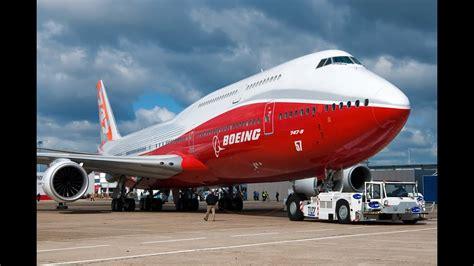
The Boeing 747-8 occupies a strange and fascinating place in modern aviation. It is simultaneously rare and indispensable, aging yet nowhere near obsolete. While many aircraft types fade quietly into retirement once production ends, the 747-8 refuses to follow that script. Its continued presence in global skies is not an accident of nostalgia but the result of hard economics, unmatched physical capability, and mission profiles that newer aircraft simply cannot replicate.
At first glance, the numbers already tell a compelling story. There are 28 active Boeing 747-8 aircraft currently flying across the world, operated by a tightly concentrated group of airlines and government entities. These aircraft are not relics from another era; the youngest examples are just eight years old, while the oldest are approaching 15 years since delivery. In widebody terms, that is barely middle-aged. With proper maintenance, long-haul aircraft are routinely productive well into their third decade of service, and the 747-8 was engineered with precisely that longevity in mind.
What truly keeps the Boeing 747-8 relevant is not sentimentality but structural uniqueness. The aircraft combines very high passenger capacity, exceptional range, and significant belly cargo volume in a single platform. In a world where most airlines have optimized for smaller, twin-engine widebodies, the 747-8 remains a specialist tool for very specific, very demanding missions. Those missions have not disappeared, and in some cases, they have become even more valuable.
The Boeing 747-8 as a Purpose-Built Giant for Modern Aviation
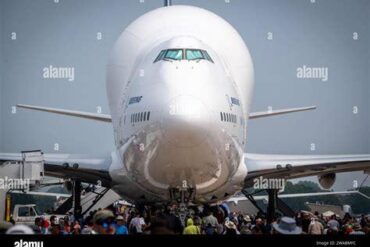
The Boeing 747-8 represents the final evolution of Boeing’s most iconic aircraft family. Rather than reinventing the concept, Boeing stretched and refined the proven 747-400 airframe, adapting it for 21st-century operational realities. The result was an aircraft that is noticeably longer, aerodynamically cleaner, and significantly more efficient than earlier variants, while retaining the unmistakable upper-deck hump that made the 747 legendary.
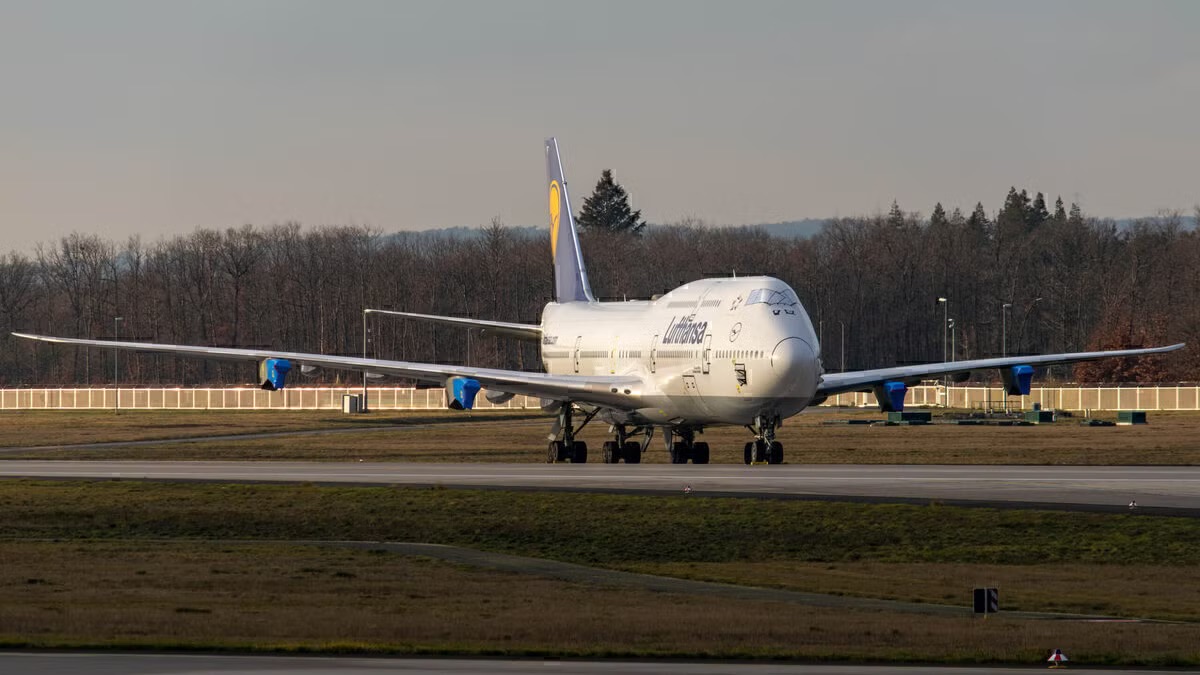
One of the most important upgrades lies in the wing design. The 747-8 features a newly engineered wing with raked wingtips, increased span, and improved lift characteristics. These changes support greater fuel capacity and longer range, allowing the aircraft to operate intercontinental routes with fewer compromises. Powering the aircraft are four General Electric GEnx-2B engines, derived from the Boeing 787 Dreamliner program. These engines deliver quieter operations, improved fuel efficiency, and lower emissions compared to earlier 747 powerplants, closing part of the efficiency gap with newer twin-engine jets.
Boeing produced two primary variants: the 747-8 Intercontinental (747-8I) for passengers and the 747-8 Freighter (747-8F) for cargo. In a typical three-class configuration, the passenger version seats around 467 travelers, offering airlines the ability to move massive numbers of passengers on a single departure. The freighter version sacrifices much of the upper deck in favor of payload capacity, becoming one of the most capable cargo aircraft ever built.
Crucially, the Boeing 747-8 acts as a bridge between eras. It delivers near-A380 scale without requiring A380-level airport infrastructure, while retaining flexibility that very large aircraft often lack. For operators with the right routes, that combination remains extremely powerful.
Why Airlines Still Rely on the Boeing 747-8 Passenger Fleet
Despite the global shift toward smaller widebodies, a select group of airlines continues to operate the Boeing 747-8 because it solves problems that no other aircraft can solve quite as well. Today, passenger operations are concentrated among just three carriers: Lufthansa, Air China, and Korean Air. Together, they operate 26 of the 28 passenger 747-8s ever built, making their fleet strategies a reliable indicator of the aircraft’s future.
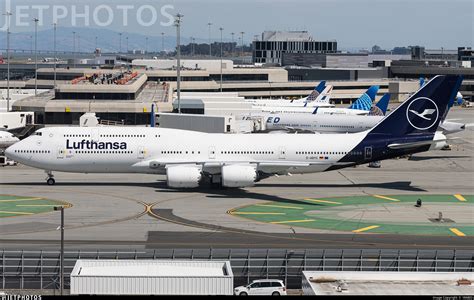
Lufthansa is the largest operator, with 16 aircraft in service. Most of these jets fall within the 10-to-14-year age range, a period where depreciation has largely stabilized and operational value remains high. While one aircraft shows a projected retirement date in the near term, the rest of the fleet has no firm exit timeline. This points to a selective drawdown strategy, not a wholesale retreat from the type.
Air China’s six aircraft are clustered around 10 to 11 years of age, an ideal window for continued use on dense, long-haul routes. These jets are particularly valuable on trunk routes connecting major hubs where demand surges during peak travel seasons. Korean Air’s four examples are even younger, with projected retirement dates beginning in 2031, signaling long-term confidence in the platform.
The strategic logic is straightforward. On slot-constrained routes, adding frequencies is often impossible. The Boeing 747-8 allows airlines to add capacity without adding flights. Its premium-heavy upper deck, spacious cabin layout, and large belly cargo volume make it especially effective on routes with strong business travel and freight demand. In these scenarios, the aircraft is not a liability; it is an advantage.
Cargo, Governments, and the Long Life Beyond Commercial Passenger Service
Where the Boeing 747-8 truly cements its longevity is outside traditional airline passenger service. Government operators and cargo carriers operate on entirely different timelines, and both see enormous value in the aircraft’s physical scale and reliability.
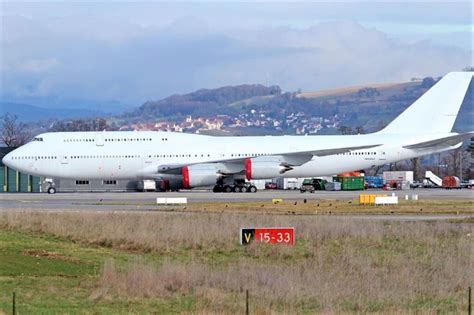
Several governments operate passenger-configured Boeing 747-8s as VIP and head-of-state transports, including the Egyptian Air Force and the Republic of Korea Air Force. These aircraft are radically different inside, prioritizing conference rooms, offices, secure communications, and rest areas over seat density. The sheer internal volume of the 747-8 makes it uniquely suitable for these missions, allowing it to carry delegations, equipment, and vehicles without compromising range.
Government fleets also value continuity. Once a platform is selected, it becomes part of a decades-long ecosystem involving specialized training, security modifications, and long-term support planning. Replacing such an aircraft is not just expensive; it is operationally disruptive. As a result, these aircraft often remain in service far longer than commercial counterparts.
On the cargo side, the Boeing 747-8F is arguably even more secure. It remains one of the few aircraft capable of carrying outsized cargo that simply will not fit inside twin-engine freighters. For high-volume, long-distance cargo lanes, especially those involving industrial equipment or time-sensitive freight, the 747-8F is irreplaceable. A healthy freighter fleet also helps sustain parts availability and engine overhaul demand, indirectly supporting passenger variants as well.
Production Has Ended, but the Ecosystem Is Still Alive
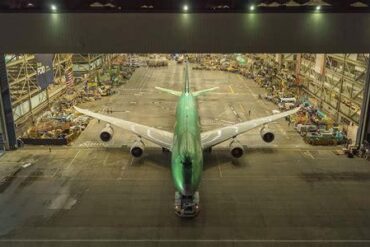
Boeing delivered the final 747 in January 2023, officially closing one of the most storied production lines in aviation history. However, the end of production does not equate to the end of relevance. In many ways, the 747-8 has transitioned from a mass-market product into a specialized strategic asset.
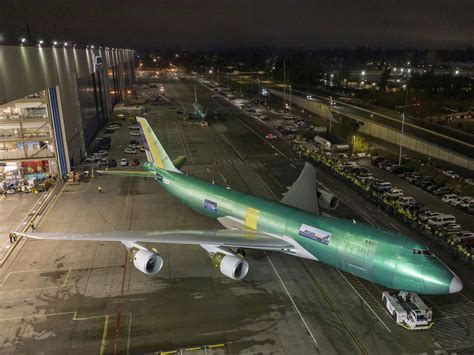
Airlines still operating the aircraft have already invested heavily in training, spare parts inventories, and maintenance infrastructure. As long as multiple aircraft remain active, it makes economic sense to keep that ecosystem alive. The presence of a large freighter fleet further cushions this transition, ensuring that suppliers and overhaul facilities remain engaged.
Operationally, the future likely involves a gradual thinning rather than a sudden disappearance. The Boeing 747-8 will fly fewer routes, appear more seasonally, and concentrate around major hubs with deep maintenance capabilities. The primary pressures it faces are fuel costs and emissions regulations, not airframe fatigue or technical obsolescence.
Why the United States Government May Fly the 747-8 the Longest
Perhaps the strongest argument for the Boeing 747-8’s extended future comes from the United States government. Under the VC-25B program, two Boeing 747-8I aircraft are being modified to serve as the next generation of Air Force One, replacing the aging 747-200-based VC-25A fleet. First deliveries are expected around 2028, instantly extending the operational horizon of the type by decades.

These aircraft will not operate like commercial airliners. They are strategic national assets equipped with advanced communications systems, defensive technologies, and highly customized interiors. Their flight hours will be relatively low, and their maintenance standards exceptionally high, allowing them to remain operational far longer than typical airline aircraft.
In addition to the primary aircraft, the US Air Force is acquiring additional 747-8 airframes for training and sustainment purposes. With production ended, securing these airframes is essential to protecting long-term program viability. This commitment alone ensures that the 747-8 will remain a supported, operational aircraft well into the future.
The Bottom Line: A Jumbo Jet with a Job That Still Matters
The Boeing 747-8 is not fading away because it still has work that no other aircraft can do quite as well. Its operators are few, but their use cases are compelling. The airframes are young enough to justify continued investment, and the missions they serve remain critical to airlines, governments, and cargo carriers alike.
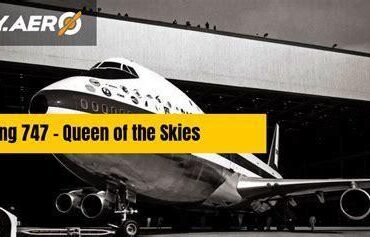
Rather than a graceful retirement, the 747-8 is entering a long, deliberate twilight phase defined by specialization, not decline. As long as the world needs to move large numbers of people, enormous volumes of cargo, or entire governments across continents in a single leap, the Queen of the Skies will continue to answer the call.