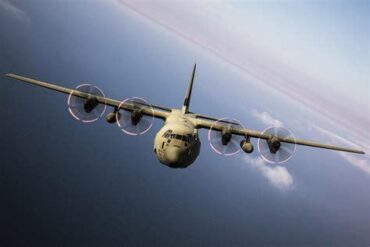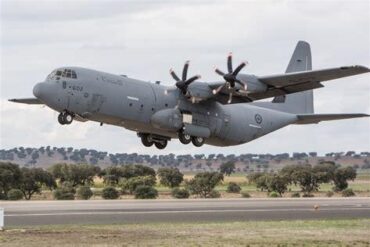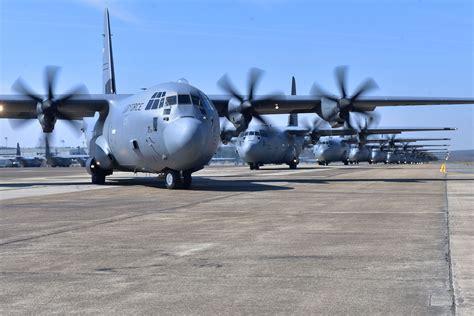
The enduring legacy of the C-130 Hercules stands as one of the most remarkable stories in aviation history. For nearly seven decades, this four-engine tactical airlifter has shaped military logistics, humanitarian response, and special operations around the world. While many aircraft have enjoyed long service lives, only one has maintained uninterrupted production across generations of warfare, technology shifts, and strategic doctrine changes. The Hercules remains indispensable not because it is old, but because every iteration continues to solve modern problems with elegant mechanical honesty and mission-tailored flexibility.
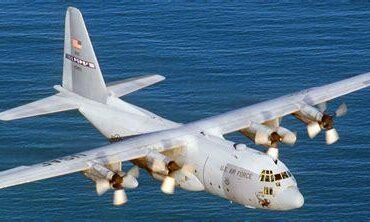
The Hercules entered service with the United States Air Force in 1956, at a time when television sets were still curiosities and jet engines represented the future of flight. Yet the C-130 earned its place instantly. Its rugged airframe, short-takeoff-and-landing capability, and ability to operate from rough, improvised airstrips made it a natural workhorse. While the B-52 Stratofortress is older in service, production of that bomber ended in the 1960s. The C-130, by contrast, continues rolling off the assembly line today.
Part of the aircraft’s mystique comes from its elegant simplicity. Where later transports grew larger, heavier, and more specialized, the Hercules adapted. Lockheed Martin’s production line in Marietta, Georgia, remains active because operators worldwide still need an aircraft that can carry troops one day, evacuate disaster victims the next, and deploy elite special forces into remote terrain when required.
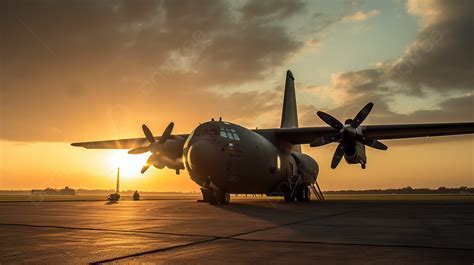
The Modern Era of the Super Hercules
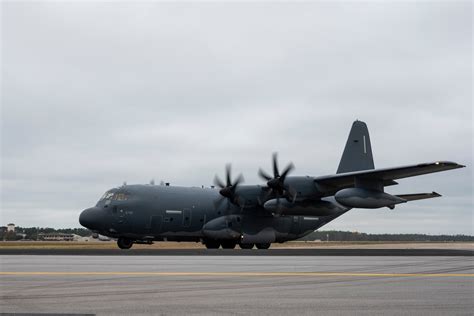
Production today centers on the C-130J Super Hercules, the most advanced variant yet. This generation incorporates updated avionics, more efficient Rolls-Royce AE 2100D3 engines, modernized flight controls, and a streamlined crew configuration. In January 2025, the Air Force accepted the MC-130J Commando II, the last of its specialized variant line, but the Super Hercules remains fully active in production with steady global demand.
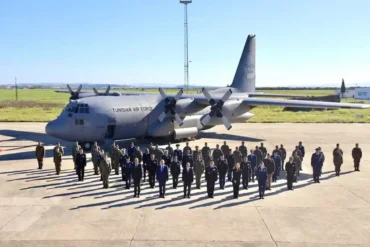
The aircraft’s longevity is powered by performance rather than nostalgia. Even with larger transports like the C-17 or A400M on the market, none match the Hercules’ tight-field capability and adaptability. The United States and 62 other countries rely on it as a backbone of mobility and rapid-response capability.
A Global Workhorse With Capabilities Across the Spectrum
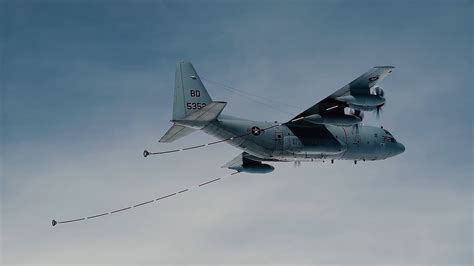
Across more than 2,500 airframes built, the C-130 family has flown missions ranging from combat resupply to scientific exploration. Its variants and roles span a spectrum few aircraft can match. The KC-130 brings a removable tank system capable of holding 3,600 gallons of fuel to support aerial refueling of helicopters and tiltrotor aircraft. The HC-130 extends search-and-rescue missions deep into oceanic and remote regions. Others have performed firefighting, weather reconnaissance, medevac, and intelligence operations.
Its remarkable versatility extends to feats few aircraft dare attempt. The C-130 is the largest aircraft ever to land and take off from an aircraft carrier, proving its piloting envelope is nearly as legendary as its engineering. Every variant, old or new, receives continuous modernization to ensure the fleet remains mission-ready despite decades of service.
A Testament to Durability and Purpose-Built Design
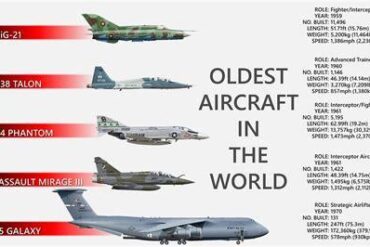
The C-130’s endurance in service is more than an engineering accomplishment; it is a reflection of how well the platform embodies reliability. In 2015, the Air Force retired the “Iron Horse,” its oldest Hercules at the time. With 27,533 flight hours and 52 years of service, its lifespan exceeded that of entire naval vessels. Its retirement symbolized not an ending, but a reminder that the platform remains viable well beyond expected timelines.
The Air Force has made no plans to phase out the C-130, and global operators continue to modernize their fleets. As long as militaries and humanitarian agencies require an aircraft that can fly anywhere, carry nearly anything, and operate under virtually any conditions, the Hercules will continue its reign. Its story is still being written, and its legacy continues to grow in the skies above conflict zones, storm-struck regions, and remote frontiers where dependable lift can alter the course of events.