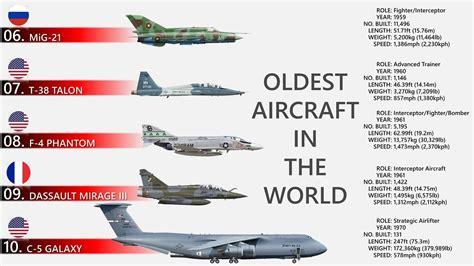
The United States Air Force (USAF) operates a diverse fleet of aircraft, many of which have become enduring symbols of American airpower. While technological innovation rapidly changes the face of aviation, a handful of aircraft types have remained remarkably resilient, with service lifespans stretching across decades. These aircraft are not merely relics; they are continually upgraded and adapted to meet modern strategic needs, making them both historical marvels and contemporary assets.
McDonnell Douglas F-15 Eagle: The Enduring Air Superiority Fighter
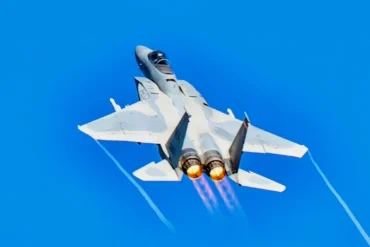
Introduced in 1976, the F-15 Eagle remains the oldest fighter jet in the USAF’s current arsenal. Born from the Cold War’s pressing demand for air superiority, the F-15 soared beyond expectations with its twin-engine power, unmatched thrust-to-weight ratio, and a combat record that has remained unbeaten. While the original C/D models are being retired, the Eagle lives on through the F-15EX, a heavily modernized iteration boasting digital avionics, advanced radar, and a combat loadout to rival any contemporary fighter.
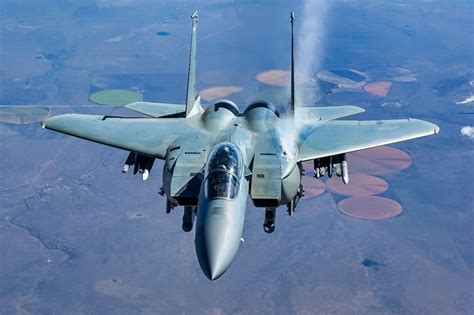
This transition illustrates the USAF’s approach to platform longevity—retaining proven designs while integrating modern capabilities. The F-15EX will continue well into the 2030s, reinforcing air dominance strategies in tandem with fifth-generation aircraft like the F-35.
Lockheed C-5 Galaxy: Titan of Strategic Airlift
Making its debut in 1970, the Lockheed C-5 Galaxy remains the largest aircraft in USAF service. Built for heavy, outsized cargo transport, the C-5’s immense size and payload capacity redefined global logistics. Most of today’s fleet are C-5M Super Galaxy models, upgraded with more powerful engines and advanced avionics, while only two early C-5A airframes survive in niche roles.
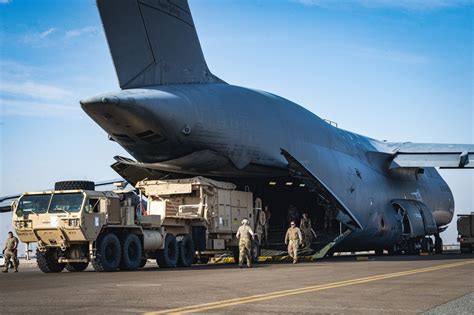
Despite its age, the Super Galaxy faces no current replacement program, cementing its role for decades to come. Its unparalleled cargo-carrying capability ensures that wherever American power projects, the C-5 will remain a critical enabler.
Boeing E-4 “Doomsday”: The Flying Command Post
Born in 1974 from the Boeing 747-200 airframe, the E-4 Advanced Airborne Command Post—colloquially dubbed the “Doomsday Plane”—exists as a strategic failsafe. Designed for continuity of government operations during nuclear conflict, it provides the President and senior military officials with airborne command and control in times of crisis.
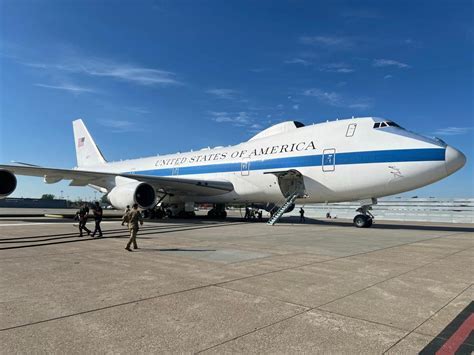
Though aging, the E-4’s relevance endures. Its successor, the SNC E-4C Survivable Airborne Operations Center, is expected in 2032, marking the eventual end of an era, but not before nearly six decades of high-alert readiness.
Northrop T-38 Talon: Supersonic Training Legacy
The Northrop T-38 Talon, introduced in 1961, has trained generations of fighter pilots. As the world’s first supersonic jet trainer, it revolutionized pilot instruction with its sleek design and affordability. Derived from the F-5 Freedom Fighter, it continues to serve not only the USAF but also NASA and the US Navy.
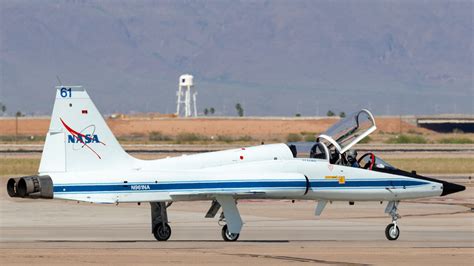
Though the T-7A Red Hawk is slated to replace it, the T-38’s durability and role in shaping USAF aircrew culture makes it a legend in its own right, still flying after more than six decades of service.
Bell UH-1 Iroquois: Vietnam Icon Turned USAF Veteran
First introduced in 1959, the Bell UH-1 Iroquois—better known as the “Huey”—was synonymous with the Vietnam War. Though primarily associated with the Army, the Air Force also employed it for transport and rescue missions. Its final flight in September 2025, flown by the 459th Airlift Squadron in Japan, marked the conclusion of a chapter that spanned over 60 years.
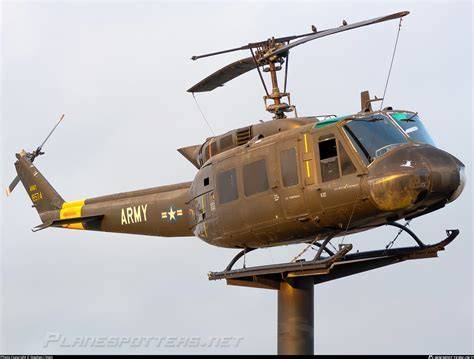
Over 16,000 units were built, making it one of the most prolific military helicopters in history. The USAF’s farewell to the Huey reflects a shift toward modern rotorcraft but doesn’t diminish its historical impact.
Boeing E-3 Sentry: The Eyes in the Sky
The Boeing E-3 Sentry, based on the classic 707 airliner platform, entered service in 1977 as the USAF’s premier AWACS (Airborne Warning and Control System) aircraft. Its iconic rotating radar dome provides all-weather surveillance, command, and control—acting as the eye in the storm during major operations.
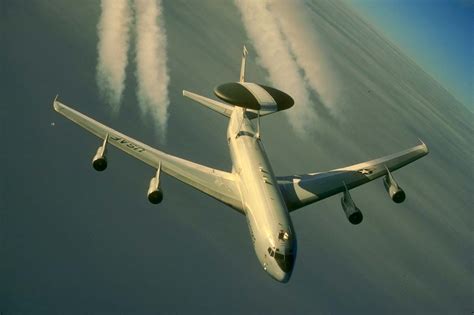
As of 2025, plans to replace the E-3 with the E-7 Wedgetail are in flux, leaving the future uncertain. Nevertheless, the Sentry continues to patrol skies and direct missions with quiet authority, nearly five decades after its debut.
Boeing KC-135 Stratotanker: The Refueling Relic
Among the most astonishing USAF aircraft is the KC-135 Stratotanker, which began service in 1957. Not only is the type old, but some individual airframes date back to that very year, making them over 68 years old in active duty.
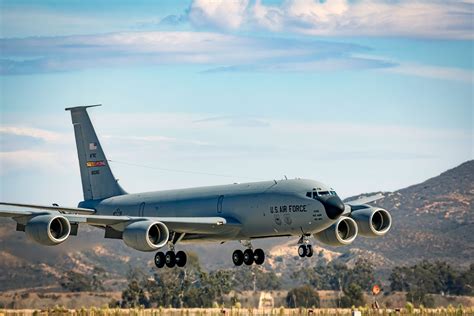
Built from the same lineage as the 707, the KC-135 has enabled global reach by refueling every major USAF combat aircraft mid-flight. While gradually being supplemented by the KC-46 Pegasus, the KC-135 may remain operational well into the 2050s, a testament to its irreplaceable role.
Lockheed C-130 Hercules: The Tactical Workhorse
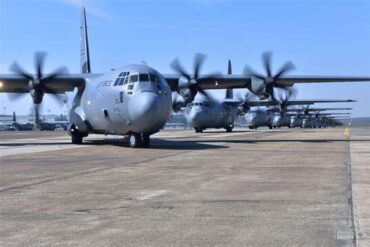
Another titan of longevity, the C-130 Hercules was first delivered to the USAF in 1956. With roots in the 1950s and a legacy of adaptability, it has evolved into the C-130J Super Hercules, still in production today.
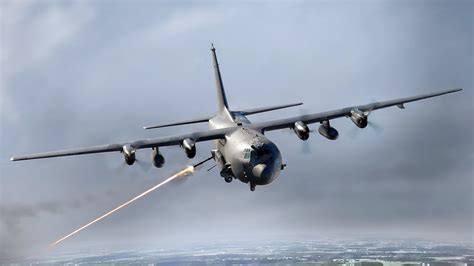
The C-130 has served as a troop transport, gunship, tanker, and even Hurricane Hunter. Its flexibility has made it indispensable in both combat and humanitarian roles. Barring unforeseen changes, it is all but certain to surpass 100 years in operational service.
Lockheed U-2 Dragon Lady: The Silent Sentinel
Emerging from the depths of Cold War secrecy, the Lockheed U-2, introduced in 1956, is still in service—albeit in later-built airframes from the 1980s. Originally designed for high-altitude reconnaissance over the Soviet Union, it played a pivotal role during the Cuban Missile Crisis.
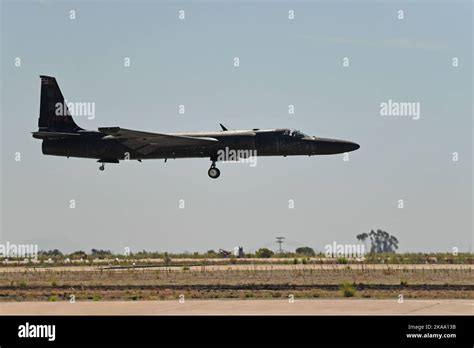
Though vulnerable in contested airspace, it remains useful in low-threat environments and specialized reconnaissance missions. Despite flirtations with retirement, the U-2 persists as a stealthy observer in an age of satellites and drones.
Boeing B-52 Stratofortress: The Timeless Bomber
No discussion of longevity is complete without the legendary Boeing B-52 Stratofortress, first flown in 1952 and entering service in 1955. This behemoth bomber remains the backbone of the USAF’s strategic bombing capability.
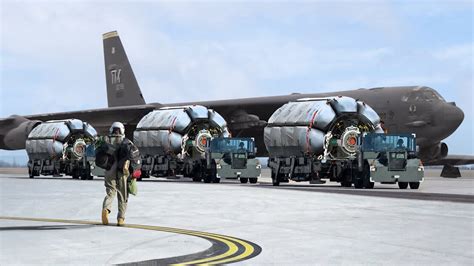
Plans are in place to upgrade it to the B-52J standard with new Rolls-Royce engines, ensuring its viability into the 2050s. While its contemporaries—the B-1 and B-2—approach retirement, the B-52 soldiers on, a steel-winged relic of the past flying boldly into the future.
Conclusion: Legacy, Modernized
These ten aircraft types are more than just machines; they are woven into the very fabric of US airpower doctrine. Their enduring presence speaks volumes about the strength of American aerospace engineering, the importance of continuous upgrades, and the strategic foresight of the USAF. As the United States moves toward sixth-generation fighters and hypersonic platforms, these venerable aircraft will continue to shape missions, train airmen, and carry the nation’s flag aloft—until the next legends take flight.