Britten-Norman has marked a monumental 60-year anniversary for its iconic Islander aircraft, a moment that arrives not just as a nostalgic celebration, but as a signal of its renewed relevance in a shifting aviation landscape. Originally introduced in 1965, the Islander has evolved from a niche solution for remote airstrips into a critical component of a global air mobility strategy focused on regional, rugged, and remote-ready transport.
A Pioneering Start That Redefined Utility Aviation
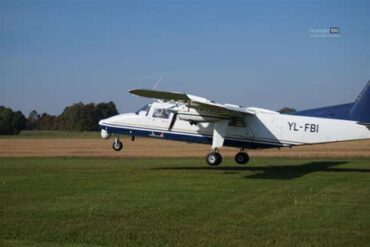
The Islander was born from necessity and innovation. Its inaugural flight on June 13, 1965, at Bembridge Airport in the UK, represented more than just a technical achievement—it was a statement of intent. The designers envisioned a twin-engine aircraft capable of operating in the harshest conditions without the infrastructure needs that constrained other fixed-wing platforms. It featured short takeoff and landing (STOL) capabilities, fixed landing gear, and a strong airframe that prioritized function over flash.
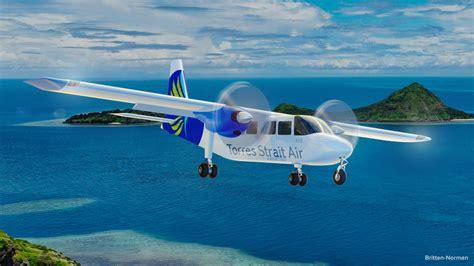
Over the decades, the aircraft proved invaluable in regions with minimal aviation infrastructure, especially in Pacific island nations, Arctic regions, tropical rainforests, and conflict zones. The Islander seamlessly performed everything from medevac missions to mail delivery, from agricultural flights to passenger shuttles across unforgiving terrain.

Still Soaring in 2025: Why the Islander Matters More Than Ever
What makes the Islander so relevant today is not just its heritage—but its unique suitability for modern aviation challenges. In an era where global airlines are increasingly focusing on connectivity for rural and decentralized communities, the Islander’s rugged utility is seeing a resurgence in demand.
Climate change, disaster response, and evolving population patterns are compelling aviation planners to think differently. Countries across Africa, Southeast Asia, the Pacific, and Northern Europe are investing heavily in regional aviation infrastructure. But airfields in these areas are often gravel, grass, or unpaved, where traditional jets simply can’t land. This is where the Islander’s versatility shines.
Its proven performance in extreme weather, coupled with a low operating cost and minimal maintenance demands, make it the ideal workhorse for humanitarian agencies, medical teams, government operators, and regional carriers.
A Renewed Industrial Strategy: Scaling for the Future
Recognizing the strategic opportunity, Britten-Norman launched a multi-phase investment initiative in 2024 aimed at expanding production capacity and enhancing the Islander’s technology. The facility at Bembridge has seen improvements in assembly line efficiency, integration of lean manufacturing principles, and a new generation of engineers and technicians brought into the fold.
The Islander’s latest configurations boast advanced avionics, upgraded cockpit systems, and tailored mission capabilities. Whether used for aerial surveillance, regional passenger services, or disaster response, the aircraft can be customized to the operator’s precise needs.
Built for a Fragmented Air Travel Market
Global aviation is experiencing a tectonic shift. The traditional hub-and-spoke model is giving way to point-to-point services tailored for smaller population centers. Meanwhile, legacy carriers are pulling back from low-margin rural routes, and low-cost carriers often find these destinations financially unviable.
This vacuum is being filled by rugged aircraft like the Islander. It doesn’t need long runways, expensive infrastructure, or large passenger volumes to operate viably. From Norwegian fjords to Pacific atolls, it delivers essential connectivity. In emergency situations—be it a flood, landslide, or power outage—it can be airborne and deployed within minutes.
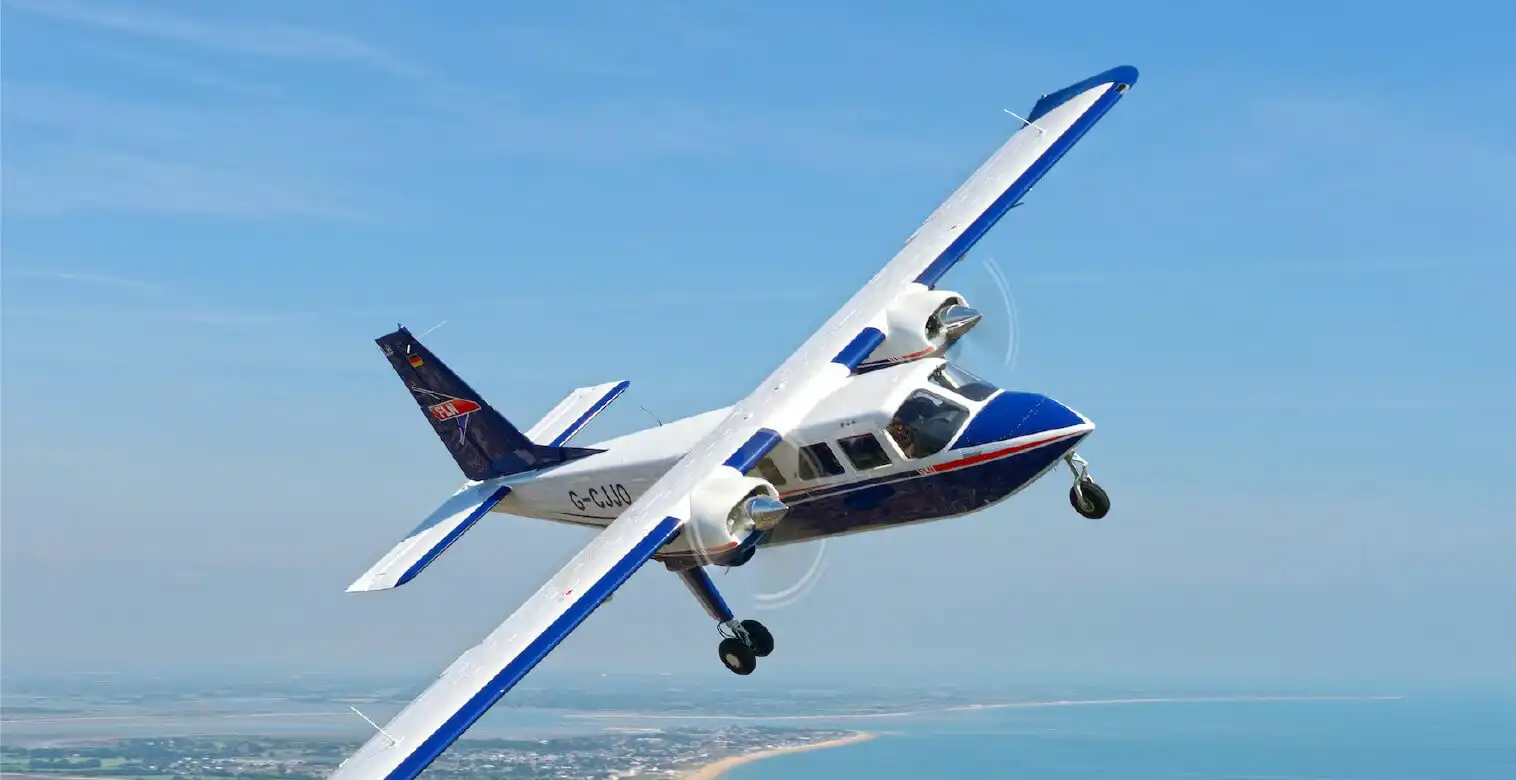
The Islander’s Human Legacy: More Than Just a Machine
To thousands of communities around the world, the Islander isn’t just a transportation device—it’s a lifeline. Pilots recount navigating violent tropical storms and landing on rough beaches where no other plane could go. Islanders have transported critical medicine to isolated islands, school children to otherwise unreachable schools, and emergency personnel to disaster zones in record time.
The 60th anniversary event—marked by the unveiling of a special commemorative logo and the gathering of current and former employees at the company’s original site—carried profound emotional weight. Operators spoke of decades of service, aircraft that had flown for over 30 years, and a machine that inspired generations of aviators to fly not for luxury, but for purpose.
Positioned for the Green Aviation Future
With pressure mounting on the aviation industry to address climate targets, small aircraft are increasingly viewed as platforms for green experimentation and sustainable operations. Britten-Norman is already investigating low-emission propulsion, including potential hybrid and electric configurations that would align the Islander with global decarbonization goals.
Unlike many new aircraft concepts that require rethinking airport design and infrastructure, the Islander is already field-proven. This gives Britten-Norman a unique edge: retrofitting an existing global fleet with greener technology while avoiding the cost of redesigning entire ecosystems.
Regulatory Momentum and Government Backing
The role of government policy cannot be overstated. Several countries are now offering subsidies and contract incentives to operators who commit to providing air services to remote regions. Regulatory bodies are revising certification and service models to favor aircraft that offer multi-role capabilities with low environmental and infrastructure footprints.
Britten-Norman’s scale-up aligns perfectly with these shifts. The Islander is already certified in over 100 countries, and its footprint covers over 1200 operational aircraft worldwide, many of which are still in daily use.
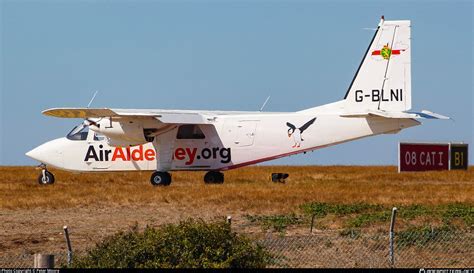
A Platform That Evolves With Time
Many aircraft fade into history after a few decades of service. The Islander has done the opposite. By consistently adapting to new roles, technological expectations, and regional needs, it remains one of the most flexible and enduring platforms in modern aviation.
Its secret? Modular design, low-cost operation, and continuous reinvestment. The same characteristics that made it a standout in 1965 make it indispensable in 2025.
Looking ahead, Britten-Norman has hinted at more innovation. From advanced connectivity features for remote monitoring, to lightweight interiors made from sustainable composites, the Islander’s evolution is far from over.
Conclusion: 60 Years of Mission-Critical Excellence
In an industry known for speed and sleekness, the Britten-Norman Islander offers something different—endurance, reliability, and human impact. As it turns 60, the aircraft is not a relic of a bygone era, but a blueprint for aviation’s future.
From its birth at a British airfield to its omnipresence in the most extreme corners of the Earth, the Islander has carved a path not only through air but through history. With new investments, fresh relevance, and a loyal global operator base, it is uniquely positioned to shape the next era of aviation—an era that prizes resilience, adaptability, and accessibility over excess.
The Islander isn’t done flying. If anything, its most important missions are yet to come.