In an increasingly competitive global aviation industry, selecting the best aviation university is a pivotal step in launching a successful career in the skies. Today’s aviation students seek more than flight time—they demand institutions that offer cutting-edge training, strong industry partnerships, and comprehensive academic programs. Our assessment, rooted in FLYING’s Flight School Guide rankings, provides an exhaustive breakdown of top-tier aviation schools in the United States, measured across five critical metrics: Career Partnerships, Value, Campus Life, Fleet, and Facilities/Location.
University of Oklahoma: Leading the Skies
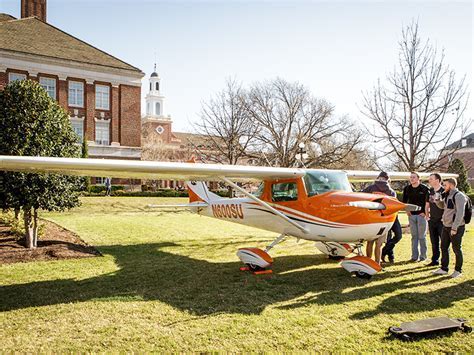
The University of Oklahoma (OU) secures its position as the #1 ranked aviation university, scoring 43 out of 50 points. OU’s approach is distinguished by its balanced commitment to both technical training and holistic student experience.
The university’s Career/Industry Partnerships, rated at 9/10, include alliances with major carriers like Southwest Airlines and Envoy Air, ensuring direct pathways to employment upon graduation. OU also excels in affordability, earning 9/10 in Value, thanks to competitively priced tuition and flight training—especially significant when combined with veteran support programs using VA benefits.
Its fleet includes state-of-the-art aircraft and advanced simulators, matched by a modern airfield located just ten minutes from campus. The robust infrastructure earned an 8/10 rating in Facilities/Location.
As a Division I institution, OU fosters an active student life, bolstered by Greek organizations and spirited football weekends, garnering another 8/10 in Campus Life.
Strong Contenders: The 42-Point Cohort
Four institutions share the second-place ranking with 42 out of 50 points. These universities offer an ideal blend of technical rigor, financial accessibility, and community engagement:
-
Purdue University: A global name in engineering and aviation, Purdue integrates research-driven curricula with a strong alumni network in commercial and military aviation sectors.
-
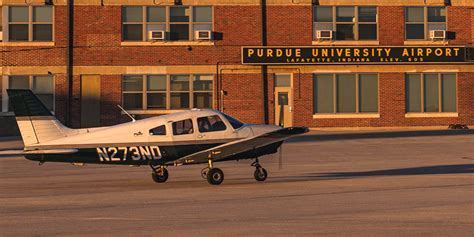
University of North Dakota (UND): Renowned for its aerospace sciences division, UND commands one of the largest collegiate training fleets in the world.
-
Kansas State University Polytechnic Campus: Offers accelerated programs and a streamlined curriculum geared toward direct airline entry.
-
Western Michigan University (WMU): WMU’s College of Aviation features a vast aircraft fleet, including Cirrus SR20s, and strong regional airline relationships.
Each of these universities excels across the core metrics, earning high marks for career readiness, fleet quality, and immersive student environments.
Personalized Learning: The 41-Point Tier
Institutions scoring 41 out of 50 points deliver quality aviation education, particularly suited for students seeking smaller class sizes and more individualized instruction. Notable universities in this tier include:
-
Elizabeth City State University (ECSU): A historically Black university (HBCU) that emphasizes community and FAA-certified training programs.
-
Utah Valley University (UVU): Known for its flexible online and hybrid aviation degrees, UVU is ideal for non-traditional students and veterans.
-
Iowa Lakes Community College: A two-year institution offering intensive flight training with pathways to regional airline careers.
These schools appeal to learners who prefer intimate learning environments over sprawling campuses.
Competitive Programs in the 40-Point Bracket
A significant number of aviation schools scored 40 out of 50, revealing a strong national commitment to aviation education. This group includes:
-
Kent State University
-
Lewis University
-
Ohio State University
-
Oklahoma State University
-
Southeastern Oklahoma University
-
Bowling Green State University
-
Big Bend Community College
These programs maintain robust aviation departments, modern training fleets, and essential career connections. Ohio State, for example, leverages its large research ecosystem to support a diverse aerospace curriculum.
The Embry-Riddle Factor
Embry-Riddle Aeronautical University (ERAU), despite scoring 39 out of 50, remains a globally recognized leader in aviation and aerospace. Its slight dip in ranking results from higher tuition costs, but its worldwide reputation, including campuses in Florida, Arizona, and online, makes it a powerhouse for international and military students.
ERAU’s strong focus on research, innovation, and commercial partnerships, such as with Boeing and NASA, makes it a magnet for students aiming at aerospace and spaceflight careers.

Additional Noteworthy Institutions
Other institutions offering credible aviation programs, scoring between 38–36 points, include:
-
Auburn University: Blending southern tradition with aviation innovation.
-
Florida Memorial University: One of the few HBCUs offering a robust flight training program.
-
Middle Tennessee State University: Known for its university-operated airport and strong industry engagement.
-
LeTourneau University: A private Christian university with engineering and aviation integration.
Though not top-tier by score, these schools offer specialized tracks, unique training methodologies, and often lower student-to-instructor ratios.

Factors That Shape a Top Aviation University
The methodology behind the rankings reveals five critical attributes that students should consider:
-
Career Partnerships: Institutions with airline pathway programs dramatically increase job prospects.
-
Value: Transparent and affordable tuition models, with availability of financial aid and veteran benefits.
-
Fleet: Access to modern aircraft and flight simulators, a must for proficiency.
-
Facilities/Location: Proximity to training airfields, weather reliability, and airspace type matter.
-
Campus Life: Enriching experiences outside the cockpit support mental wellness and leadership growth.

Looking Beyond Rankings
While numerical rankings are helpful, the “best aviation university” is ultimately the one that fits a student’s specific goals. For some, it may be the promise of accelerated flight time; for others, it’s a bustling campus life, or a reputation that opens doors internationally.
We advise prospective students to visit campuses, speak with instructors, and evaluate fleet and facility access firsthand. Rankings serve as a compass—but individual goals should be the guiding star.
Frequently Asked Questions
What is the best aviation university in the U.S.?
The University of Oklahoma currently ranks highest based on metrics including fleet, value, partnerships, and campus life. However, programs like Purdue, UND, and Embry-Riddle also stand out depending on a student’s priorities.
What factors should I consider when choosing an aviation school?
Look beyond prestige. Consider career placement programs, fleet age, location, tuition costs, and whether the school supports your lifestyle—like offering online learning or part-time enrollment.
Is Embry-Riddle better than public aviation schools?
Embry-Riddle offers unparalleled name recognition and aerospace focus, but its high tuition may not justify the investment for all students. Public institutions like UND or Oklahoma can provide equal or better ROI when airline placement and flight hours are considered.