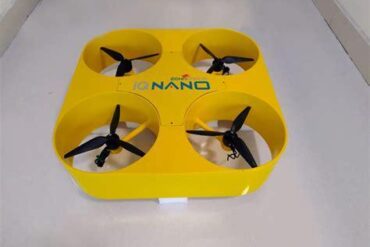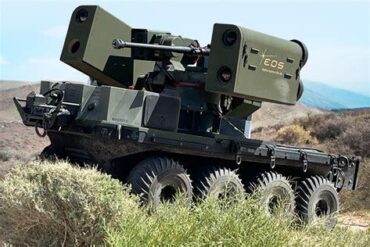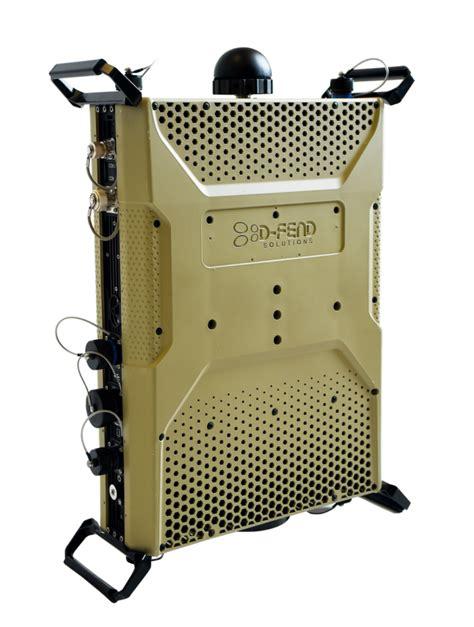
As drones reshape industries through innovations in logistics, inspection, and emergency response, their rapid proliferation also presents unprecedented challenges to airport security. Once the exclusive domain of aviation, airport airspace is now an active theater for unwanted drone incursions, ranging from hobbyist blunders to organized malicious operations. The evolving complexity of drone threats calls for a fundamental shift in how airports detect, manage, and neutralize airborne intrusions. Traditional countermeasures are proving inadequate in modern airspace, giving rise to a transformative technology: RF-cyber counter-drone systems.
The Escalating Drone Threat in Airport Environments
Airports operate in high-stakes conditions where safety, continuity, and precision are non-negotiable. A single unauthorized drone in the airspace can delay flights, compromise passenger safety, and disrupt global travel networks. Incidents like flight diversions, emergency landings, and near collisions have demonstrated that this is not a hypothetical concern but a growing operational reality.
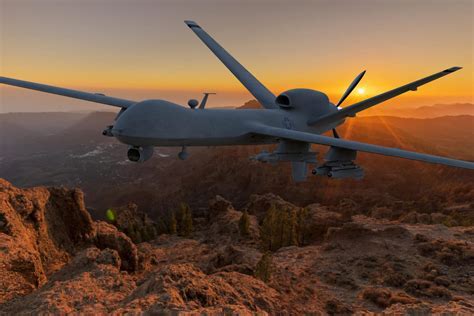
Modern drones are evolving rapidly—they are smaller, quieter, and more maneuverable. They can carry heavier payloads, transmit high-definition video, or even be equipped with spoofing or jamming tech. As drone accessibility increases, so too does the opportunity for bad actors to exploit them for espionage, smuggling, or coordinated attacks. The surge in availability and affordability of these devices means that airport perimeters are constantly at risk, and traditional defenses are struggling to keep up.
Why Traditional Counter-Drone Systems Fall Short
Legacy systems designed for military-grade threats are often ill-suited for the dense, civilian-dominated airspace surrounding airports. Radar, for instance, can mistake birds for drones. Optical systems falter in poor weather or cluttered urban backdrops. Acoustic methods suffer against the low-noise signatures of modern drones. Worse, mitigation strategies like jamming signals or kinetic takedowns pose their own risks—disrupting communications, damaging aircraft, or causing debris to fall onto populated areas.
The vulnerabilities are clear: collateral damage, misidentification, and operational downtime. These limitations demand a reimagined approach, one that ensures safety without compromising efficiency.
RF-Cyber Systems: A Paradigm Shift in Drone Defense
RF-cyber technology is emerging as a pivotal force in counter-drone innovation. Unlike conventional methods, RF-cyber systems passively monitor the radio frequencies used by drones, recognizing their unique communication protocols without interfering with legitimate airport operations. This non-disruptive detection model is a game-changer for environments where precision and safety are paramount.
Once a drone is detected, these systems can pinpoint both the drone and its operator, identify whether the drone is friendly or hostile, and take full control if necessary. By redirecting or landing unauthorized drones safely, without kinetic force or jamming, RF-cyber tech ensures low-collateral, high-confidence mitigation.

Strategic Advantages of RF-Cyber Systems at Airports
What makes RF-cyber the preferred choice in aviation security?
- Non-Invasive Response: No kinetic damage, debris, or risk to nearby aircraft.
- Operational Continuity: No interference with Wi-Fi, cellular signals, or air traffic control systems.
- Deployment Versatility: Systems can be fixed, mobile, or man-portable, adaptable to each airport’s unique layout.
- Friend-or-Foe Identification: Ensures authorized drone missions (e.g., runway inspections or security patrols) are not interrupted.
These systems are also designed with scalable software architectures, meaning they can be updated in real time to adapt to new drone models, evolving communication protocols, or AI-guided swarm behavior.
Beyond Detection: Comprehensive Incident Lifecycle Management
Modern RF-cyber solutions offer more than just drone mitigation—they manage the full spectrum of drone incident response:
- Early Detection: Rapid recognition of threats before they enter critical airspace.
- Precise Tracking: Continuous geolocation of drones and their operators.
- Behavioral Analysis: Algorithms determine drone intent based on movement patterns and flight history.
- Tailored Mitigation: Decision engines assess the safest and most effective response, from redirection to safe landing.
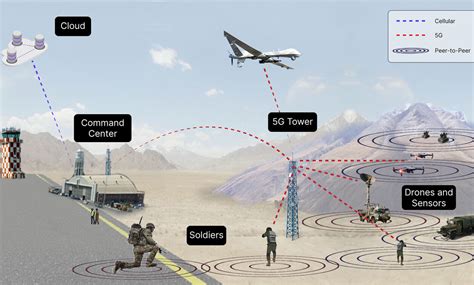
Integrated with existing airport command systems, RF-cyber platforms offer holistic surveillance by feeding into central control rooms, enabling real-time coordination among law enforcement, air traffic control, and private operators.
Building Multi-Layered Defense Through System Integration
Drone threats are multifaceted—ranging from novice pilots straying into no-fly zones to coordinated swarming attacks by hostile entities. A single layer of defense is insufficient. Multi-layered detection networks, incorporating RF-cyber as the primary detection and mitigation tool, supported by radar, optical, and thermal sensors, create a robust ecosystem of interlocking safeguards.
This layered model allows for:
- Enhanced redundancy across sensor types
- Greater contextual accuracy through data fusion
- Increased coverage across blind spots or signal-dense areas
The Regulatory Puzzle: Aligning Policy with Technology
Technological readiness means little without regulatory alignment. Currently, a patchwork of federal, state, and local laws creates confusion around who has authority to engage with rogue drones. In many jurisdictions, airport operators lack legal authority to intercept drones—even when threats are imminent.
Clearer laws and cross-agency collaboration are essential. National aviation authorities must streamline policies that enable timely, lawful intervention. This includes:
- Authorizing trained personnel to deploy RF-cyber tools.
- Establishing clear rules of engagement.
- Coordinating information-sharing frameworks across agencies.
Preparing for AI-Enabled and Swarm Drone Threats
Tomorrow’s drone threats will be smarter, faster, and more elusive. Autonomous drones may operate without live control signals, guided instead by AI algorithms and preloaded mission data. Others may operate in coordinated swarms, designed to overwhelm detection systems.
RF-cyber systems are uniquely poised to counter these advancements, thanks to their software-driven adaptability. Machine learning models within these platforms can be trained to identify anomalies, anticipate swarm tactics, and pre-empt evasive maneuvers. As threats evolve, so too must the defensive intelligence driving RF-cyber responses.
Digital Convergence: Integrating Counter-Drone Tech into Airport Operations
As airports embrace automation and digital ecosystems, RF-cyber tech will integrate seamlessly with other smart infrastructure platforms. Security protocols, terminal operations, flight scheduling, and emergency response frameworks can all benefit from real-time drone awareness.
This integration enables:
- Automated lockdowns of sensitive zones
- Intelligent rerouting of incoming and outgoing flights
- Coordinated emergency dispatch based on drone threat severity
Such synergy ensures that counter-drone action becomes a natural extension of the airport’s digital nervous system, rather than a reactive outlier.
Airspace Safety Beyond Airports
Airports are proving grounds for airspace defense innovation. The same counter-drone best practices will soon apply to stadiums, power grids, government buildings, and large public gatherings. By pioneering safe airspace protocols, airports are setting a nationwide—and global—standard for protecting critical infrastructure.
From event planners to urban planners, the need for secure low-altitude airspace is growing. And as more sectors digitize, the urgency for predictable, coordinated airspace control becomes universal.
The Road Ahead: A Strategic Imperative for Airports
There is no time for passive observation. Airports must act now to build an airspace security posture that reflects the reality of drone saturation. This involves:
- Deploying future-ready RF-cyber solutions that evolve with the threat landscape
- Establishing collaborative defense ecosystems between airports, regulators, and technology providers
- Embedding counter-drone awareness into airport-wide digital infrastructure
These steps are not theoretical—they are essential. Airports that invest in scalable, integrated, and legally sound counter-drone systems will not only protect lives and operations but also unlock the full potential of drone-enabled innovation without sacrificing safety.
The skies above our airports are not empty—they are battlegrounds for control, security, and sovereignty. It is the responsibility of aviation leaders to ensure those skies remain open, safe, and secure for the generations of travelers, innovators, and pilots to come.