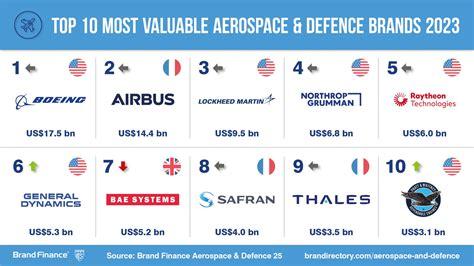
The aerospace industry stands as one of the most technologically advanced and economically pivotal sectors in the global economy. In 2025, the top 100 aerospace companies not only continue to push the boundaries of innovation but also drive critical advancements in defense, commercial aviation, satellite technologies, space exploration, and unmanned systems. This article provides a comprehensive overview of the world’s leading aerospace giants—ranked by revenue, market influence, and technological dominance—unpacking their roles, strategic focus areas, and impact on the global aerospace ecosystem.
Understanding the Aerospace Industry’s Core Segments
The global aerospace sector is broadly segmented into commercial aviation, defense and security, space systems, and unmanned aerial systems (UAS). Each of these sectors fuels a portion of the market, often overlapping in supply chains and technological frameworks. Companies within the top 100 are often diversified across multiple domains, leveraging shared research and advanced materials to gain competitive advantage.
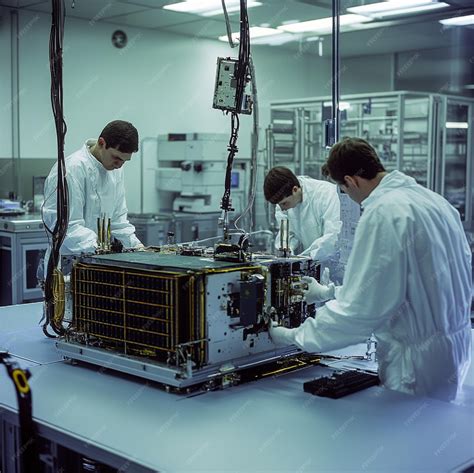
Aerospace companies are evaluated not merely by annual revenue, but also by intellectual property portfolios, R&D intensity, strategic alliances, and their role in global supply chains. These firms manufacture everything from jet engines and fuselage components to launch vehicles and precision-guided weapons.
The Global Titans: Dominating Aerospace Revenue Streams
At the pinnacle of the aerospace hierarchy stand multinationals like Airbus, Boeing, Lockheed Martin, and Raytheon Technologies. These corporations command tens of billions in annual revenue, operating vast international networks of manufacturing plants, research hubs, and logistical centers.
Boeing, based in the United States, continues to lead in commercial aircraft and defense platforms, although its commercial sector has seen recovery challenges post-737 MAX grounding and pandemic disruptions. Airbus, its European rival, has emerged with increasing delivery numbers and an aggressive push into sustainable aviation technologies, including hydrogen-powered aircraft concepts.
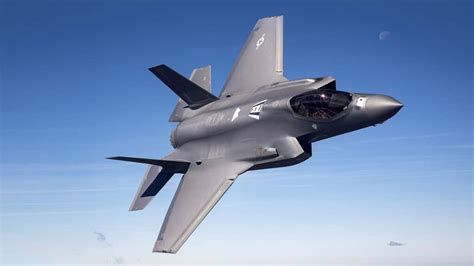
Lockheed Martin, meanwhile, dominates the global defense aerospace market with the production of the F-35 Lightning II fighter jet, missile defense systems, and satellite platforms. Raytheon Technologies, formed from the merger of Raytheon and United Technologies, spans both commercial aviation (through Pratt & Whitney and Collins Aerospace) and military systems.
Mid-Tier Leaders and Specialized Innovators
Beyond the global giants, several firms within the top 100 exhibit sector-specific dominance or disruptive innovation capacity. Northrop Grumman and BAE Systems, for instance, are critical players in aerospace defense technologies, particularly in autonomous systems, space surveillance, and cyber-resilient command networks.
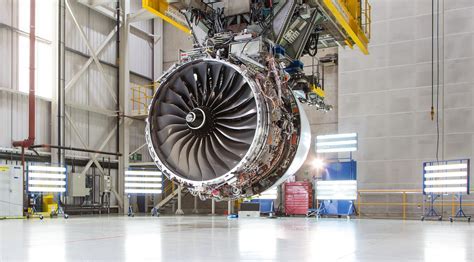
Dassault Aviation, though smaller in scale, remains a flagship of French military aviation through its Rafale fighter jet, while also advancing executive jet designs under the Falcon series. Meanwhile, Safran and Rolls-Royce lead in propulsion systems, providing critical jet engine technologies for both commercial and military aircraft.
Innovators like SpaceX, Blue Origin, and Rocket Lab represent a new breed of aerospace contenders. Though privately held, their inclusion in the top echelon is warranted by launch cadence, revenue from satellite deployments, and strategic partnerships with government and commercial clients.
Rising Aerospace Firms in Asia and the Middle East
The expansion of aerospace capabilities in China, India, South Korea, and the UAE has introduced a new cohort of competitive firms to the top 100 list. AVIC (Aviation Industry Corporation of China) continues to expand its portfolio with military aircraft, drones, and civil aviation programs such as the COMAC C919.
Hindustan Aeronautics Limited (HAL), India’s state-owned aerospace major, plays a pivotal role in indigenous fighter production, while KAI (Korea Aerospace Industries) has risen in relevance due to the development of the KF-21 Boramae and exports of the T-50 Golden Eagle.
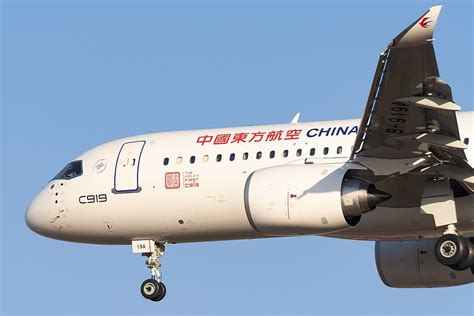
Middle Eastern firms, most notably EDGE Group (UAE), are channeling national investment into smart munitions, drone technologies, and space-based assets. These companies often collaborate with Western aerospace firms, integrating global best practices while building localized capabilities.
Key Metrics Defining the Top 100 Ranking
The annual ranking of aerospace companies considers a range of performance metrics:
- Revenue (Defense and Civil Combined)
- R&D Expenditure as Percentage of Revenue
- Number of Patents Filed in Aerospace Domains
- Operational Footprint (Factories, Offices, Global Presence)
- Major Contracts Secured (e.g., Defense Procurement, Airline Orders)
- Workforce Size and Engineering Talent Pool
These metrics reveal not just size, but also strategic relevance, supply chain influence, and technological autonomy.
Supply Chain Dependencies and Tier-One Suppliers
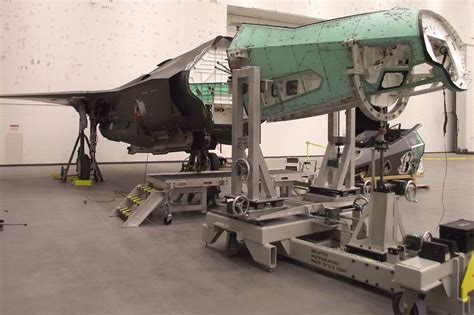
Many of the companies in the Top 100 ranking do not produce complete aircraft or spacecraft but instead function as tier-one suppliers. These firms provide avionics, composites, landing gear systems, actuators, and cabin systems. Leading examples include:
- Spirit AeroSystems – fuselage and wing components
- Honeywell Aerospace – flight control and navigation systems
- GE Aerospace – turbine engines and fuel systems
- Leonardo S.p.A. – sensors, radars, and electronics
Their expertise ensures not only the reliability and performance of end platforms but also underpins the modularity and upgradability of aircraft designs over their multi-decade service lifespans.
Space Race 2.0 and Commercial Launch Supremacy
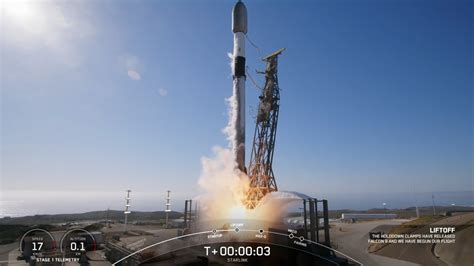
An increasing number of firms in the top 100 are competing in the rapidly evolving space launch and satellite deployment sector. SpaceX has secured a dominant position due to its Falcon 9 launch reliability and Starlink satellite internet constellation. Arianespace, United Launch Alliance (ULA), and China Great Wall Industry Corporation continue to provide state-backed alternatives.
Meanwhile, Sierra Space, Firefly Aerospace, and Relativity Space are leveraging 3D printing, reusable propulsion systems, and modular orbital platforms to bring agility and cost-efficiency to the market.
Sustainability and Decarbonization Initiatives
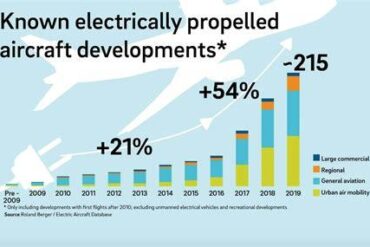
Sustainability is a critical frontier for aerospace, with many top firms now investing in sustainable aviation fuel (SAF), electric aircraft, and hybrid propulsion systems. Airbus is leading the ZEROe initiative to develop zero-emission commercial aircraft by 2035, while Boeing’s ecoDemonstrator program explores biofuels and active wing morphing.
GE, Rolls-Royce, and Safran are concurrently developing next-generation engine cores with enhanced fuel efficiency and reduced emissions. These developments are also tightly linked to emerging regulatory frameworks from the EU and ICAO, pushing aerospace companies to adopt more aggressive climate goals.
Cybersecurity and Digital Transformation in Aerospace
The integration of digital twins, predictive maintenance algorithms, and cybersecurity hardening is now central to competitiveness. Companies like Thales, Palantir, and L3Harris Technologies offer cutting-edge software and analytics platforms for military and civilian aerospace applications. Digital transformation is no longer optional—it is essential for predictive readiness, real-time diagnostics, and autonomous mission planning.

Conclusion: The Convergence of Innovation, Security, and Sustainability
The Top 100 aerospace companies are not merely producers of aircraft and rockets—they are architects of the future aerospace landscape, blending innovation with strategic foresight and environmental responsibility. As global air traffic recovers, geopolitical tensions rise, and humanity stretches further into space, these firms will determine the next phase of aerospace history.
Their ability to adapt to geopolitical shifts, lead in environmental transformation, and execute at scale across civil and defense domains ensures their position at the vanguard of technological evolution. For stakeholders, analysts, and governments alike, the top 100 is more than a ranking—it is a barometer of global aerospace momentum.