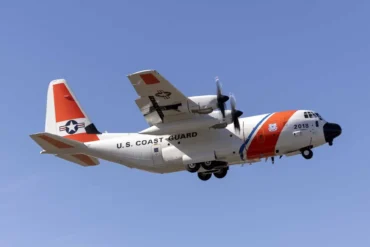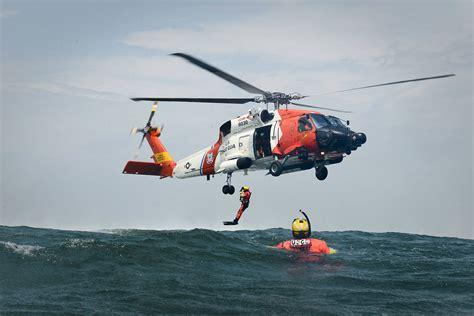
Search and rescue operations are no longer confined to helicopters and human ground patrols. With the rise of autonomous systems, robotics, and advanced imaging technologies, the world’s most innovative companies are redefining how we locate, assist, and extract individuals in peril. In this report, we examine the top search and rescue companies setting new standards across aerial, marine, and terrestrial domains.
Bounce Imaging: Visual Intelligence for Inaccessible Environments
Founded in 2012 in the USA, Bounce Imaging has developed a disruptive tool called the Explorer, a tactical camera ball with six integrated cameras. Designed for dark, confined, and hazardous areas, it offers first responders near-instant visuals by wirelessly transmitting panoramic imagery to mobile devices. With its rugged design and intuitive interface, the Explorer has become a vital asset for urban search and rescue (USAR), hostage rescue, and disaster operations.
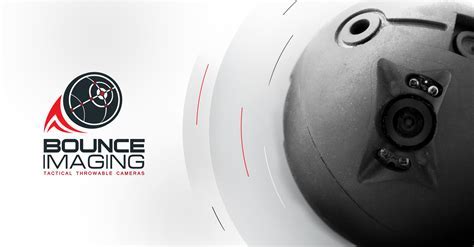
Unlike traditional bore cameras or drone solutions, Bounce Imaging’s device thrives where GPS-denied environments and poor visibility cripple alternatives. Its practical deployment during events such as collapsed structures and bomb threats underscores its essential role in tactical reconnaissance.
Fotokite: Tethered Aerial Situational Awareness for Emergency Responders
Switzerland-based Fotokite, established in 2014, is known for its pioneering tethered drone system, the Fotokite Sigma. Unlike conventional drones, the Sigma does not rely on pilot input or GPS. It is designed to launch, operate, and land autonomously while tethered, offering persistent aerial situational awareness even in GPS-denied zones.
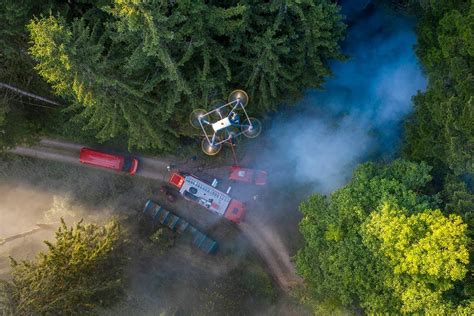
These systems are now deployed in firefighting, traffic incident management, and crowd monitoring scenarios globally. Their integration into emergency vehicles enables immediate aerial deployment, critical in the golden minutes of incident response. Fotokite’s technology represents a step forward in safe, stable aerial intelligence.
Urban Sky: Stratospheric Microballoon Reconnaissance
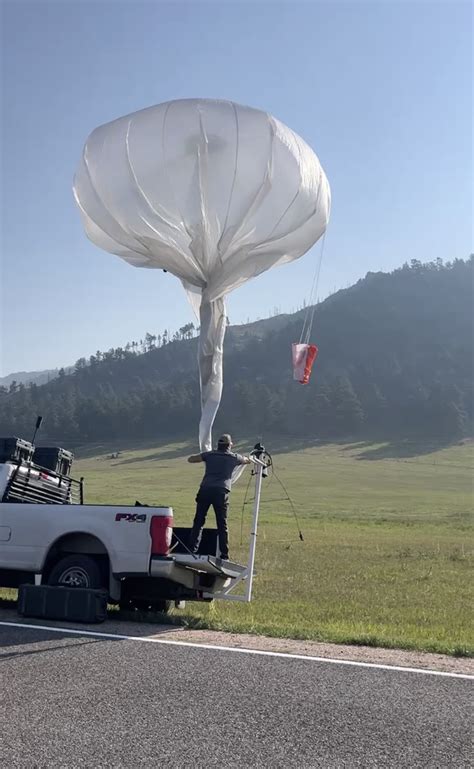
Founded in 2019 in the USA, Urban Sky leverages the high vantage of the stratosphere using their Microballoon™ technology. These reusable high-altitude balloons, akin to stratospheric microsatellites, collect wide-area imagery at a fraction of traditional costs.
Their real-time imaging capabilities make them uniquely suited for post-disaster assessment, wildfire tracking, and environmental monitoring. The Microballoon platform is lightweight, quickly deployable, and engineered for data collection across vast, often inaccessible terrains.
Agility Robotics: Legged Robots for Human-Unsafe Zones
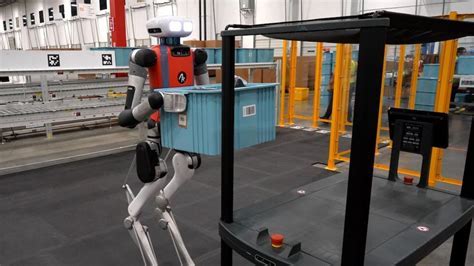
The Oregon-based Agility Robotics, founded in 2015, designs bipedal robots capable of navigating terrain too unstable or dangerous for humans. Their flagship robot, Digit, is engineered for disaster zones, search missions, and logistics support, with capabilities such as stair climbing, balance control, and object manipulation.
These features allow Agility’s platforms to access structurally compromised buildings, search under debris, or transport supplies to trapped survivors. By reducing the need for human responders in high-risk scenarios, Agility is fundamentally reshaping robot-assisted SAR missions.
EyeROV: Underwater Eyes for Oceanic and Defense Operations
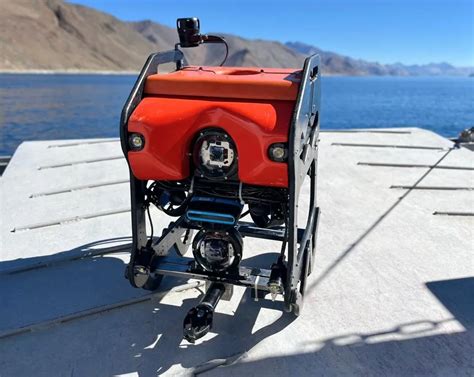
India’s EyeROV, founded in 2016, provides remotely operated underwater vehicles (ROVs) tailored for search and recovery operations in oceans, dams, and ports. EyeROV’s solutions serve critical sectors including defense, marine energy, and infrastructure inspection.
Their TUNA ROV offers live HD video streaming, maneuverability in turbulent waters, and capability to operate at significant depths. With India’s extensive coastline and flood-prone regions, EyeROV is becoming indispensable for underwater rescue and inspection missions.
Quantum-Systems GmbH: Advanced sUAS for Large-Scale Aerial Search
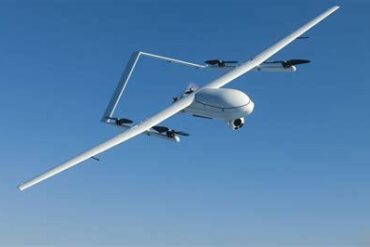
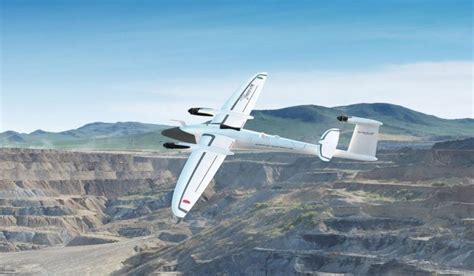
Based in Germany and founded in 2015, Quantum-Systems GmbH specializes in eVTOL unmanned aerial vehicles built for endurance and data precision. Their aircraft, such as the Trinity F90+, combine fixed-wing range with vertical takeoff benefits, ideal for large-area SAR sweeps.
Designed for rapid deployment in remote terrain, these systems integrate multispectral imaging, AI-assisted detection, and military-grade autonomy, bridging the gap between defense-grade reconnaissance and civilian SAR use.
Rain Industries: Rapid Wildfire Detection with Autonomous Drones
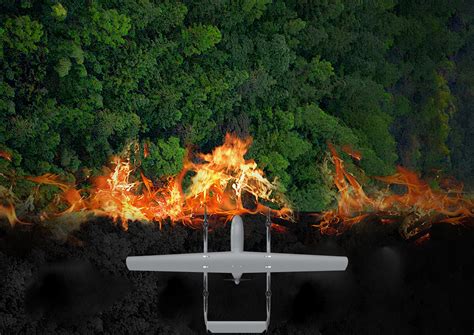
Founded in 2019, USA-based Rain Industries has developed an integrated autonomous drone system designed to detect and suppress wildfires within minutes of ignition. These drones are deployed as part of a network called the Rain System, working around the clock to identify heat signatures and launch immediate containment responses.
Rain’s approach merges aerial robotics, thermal imaging, and real-time analytics, significantly shortening response time and mitigating large-scale devastation. Their solutions are gaining traction among fire departments, state emergency services, and insurance-driven risk management teams.
BeeX: Autonomous Underwater Robotics-as-a-Service
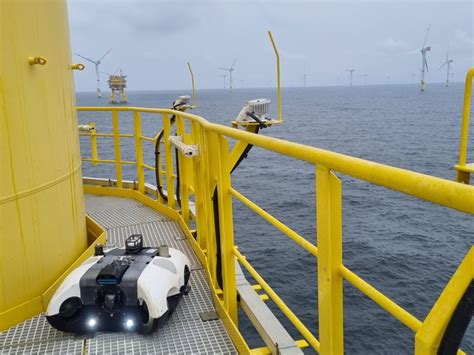
Singapore-based BeeX, founded in 2018, offers Autonomous Robotics-as-a-Service (A-RaaS) for underwater inspection and SAR operations. Their AUVs are deployed for missions ranging from sunken vessel searches to critical offshore inspections.
Uniquely, BeeX provides both short-term and long-term rental services, enabling agencies to access cutting-edge underwater robotics without full-scale capital investment. Their data-driven navigation systems and autonomous deployment routines offer a hands-off solution to complex marine environments.
Aerodome: Instant Drone Response for Law Enforcement and EMTs
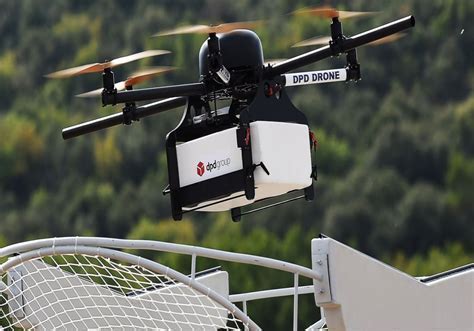
Founded in 2023, Aerodome is one of the youngest players but already redefining rapid emergency drone deployment. Created by former law enforcement officer Rahul Sidhu, Aerodome crafts autonomous drones that respond to incidents in under three minutes.
Each drone streams live video footage directly to field teams, allowing real-time situational awareness before personnel arrive. Integrated into dispatch systems, Aerodome’s tools enhance coordination in active shooter events, accidents, and natural disaster responses.
VideoRay: Rugged Submersibles for National Security and Search Missions
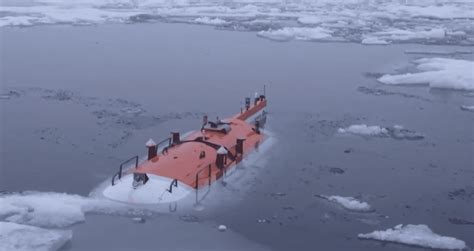
Since 1999, USA-based VideoRay has specialized in Mission Specialist ROVs used by military, coast guard, and diving teams worldwide. Built for durability and precision, these devices support hazardous underwater missions including mine detection, body recovery, and infrastructure assessment.
VideoRay’s modular platform enables teams to tailor the system to diverse missions. Their success in challenging environments such as hurricane aftermaths and Arctic waters highlights their value in extreme SAR scenarios.
DJI: Versatile Drones Empowering Ground Teams Globally
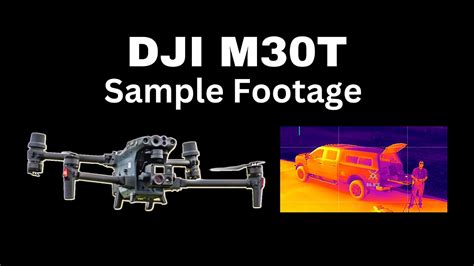
While not exclusively a SAR company, DJI, founded in China in 2006, dominates the aerial drone sector. DJI’s drones like the Mavic 3 Enterprise and M30T are widely used in emergency response, offering high-res visual feeds, thermal imaging, and zoom optics.
Their affordability, accessibility, and software integration have made DJI drones ubiquitous in volunteer SAR groups, fire departments, and international disaster agencies. Combined with tools like DroneDeploy for real-time mapping, DJI continues to be a pillar in democratizing SAR technology.
Conclusion: A New Era of Autonomous, Aerial, and Aquatic Rescue
These top search and rescue companies demonstrate that the future of SAR lies not only in human courage but in robotic precision, aerial agility, and data intelligence. From underwater reconnaissance to fire containment, these firms exemplify innovation in service of saving lives. As threats from natural disasters, urban hazards, and climate change grow, these technologies will become not just tools—but lifelines.