
The aviation industry is undergoing a pivotal transformation. As global awareness of climate change intensifies, the demand for sustainable air travel has never been more urgent. With aviation contributing 2.5% of global CO₂ emissions and an estimated 4% to climate warming, airlines face growing pressure to curb their environmental impact. Amid this challenge, ten pioneering carriers are charting a path to net-zero emissions, investing in Sustainable Aviation Fuel (SAF), and adopting cleaner, more efficient fleet technologies.
United Airlines: Industry Leader in SAF Investment and Innovation
United Airlines, headquartered in Chicago and led by CEO Scott Kirby, has emerged as a global leader in airline sustainability. The company is the first major airline to commit to net-zero greenhouse gas emissions by 2050 without relying on carbon offsets. In 2024, United successfully closed the UAV Sustainable Flight Fund, amassing over $200 million from partners and customers to accelerate SAF production and innovation.
“We’re embracing a new goal to be 100% green by 2050 by reducing our greenhouse gas emissions 100%,” Kirby stated. “We’ll get there not with flashy, empty gestures, but by actually reducing the emissions from flying.”

United’s approach combines collaborative SAF development, fleet modernization, and cross-industry partnerships—a roadmap designed to fundamentally reshape aviation’s climate impact.
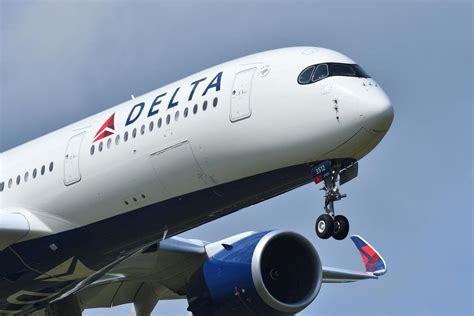
Delta Air Lines: Pioneering Equity and Emissions Reduction
At number two, Delta Air Lines demonstrates a robust sustainability strategy blending environmental impact with social equity. CEO Ed Bastian has committed $1 billion over 10 years to sustainability efforts. Delta’s plan hinges on three pillars: SAF expansion, fleet upgrades, and operational efficiency enhancements.
The airline’s Delta Sustainable Skies Lab, launched in 2023, spearheads research and testing of low-emission technologies. Bastian emphasizes that Delta’s mission is not only to serve passengers but also to “deliver more sustainable travel experiences – it’s imperative for our planet, our communities, and our business.”
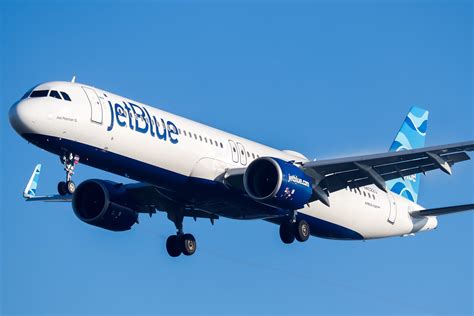
JetBlue Airways: A Decade Ahead in Net-Zero Ambitions
JetBlue Airways, under CEO Joanna Geraghty, stands out by setting a more aggressive timeline: achieving net-zero emissions by 2040. JetBlue’s fleet expansion includes 70 Airbus A220s and 85 Airbus A321neos, offering a remarkable up to 40% improvement in fuel economy per seat.
Fuel efficiency has long been embedded in JetBlue’s ethos, but the airline is now ramping up its SAF investments and bolstering its ESG (Environmental, Social, and Governance) frameworks. As Geraghty explains, “ESG drives performance, allowing us to understand our risks and opportunities… It enables greater sustainability across the three elements – E, S, and G.”
Alaska Airlines: Setting a 2040 Carbon-Neutral Goal
Founded to connect remote Alaskan communities, Alaska Airlines has scaled globally while maintaining its strong sustainability values. Under CEO Ben Minicucci, Alaska aims for net-zero emissions by 2040, one of the earliest timelines in the industry.
The carrier is a frontrunner in inflight waste reduction, and its use of SAF is among the highest in the US market. Core values like “Own safety” and “Be kind-hearted” reflect its cultural alignment with environmental and social stewardship. “We’re on the path toward our ambitious goal of being the most fuel-efficient US airline,” Minicucci affirms.
British Airways: A Century of Flight, A Future of Sustainability
A global icon, British Airways is rewriting its legacy with BA Better World, a sustainability roadmap focused on decarbonisation and innovation. CEO Sean Doyle emphasizes responsibility: “As the UK’s flag carrier, we have a duty to create a sustainable future.”
BA is investing in biofuel facilities, modernizing its fleet, and leading initiatives to reduce cabin waste. Its commitment to net zero by 2050 aligns with aggressive action plans, including exploring waste-to-fuel conversion technologies.

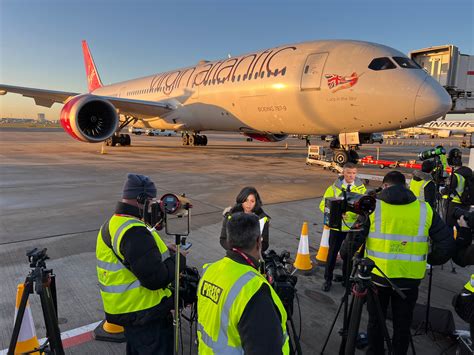
Virgin Atlantic: Transatlantic SAF Trailblazer
Few carriers have matched the headline-grabbing achievements of Virgin Atlantic. Led by CEO Shai Weiss, Virgin completed the first fully SAF-fueled transatlantic flight in 2023. “Flight100 proves SAF can be a safe, drop-in replacement for fossil-derived jet fuel,” Weiss proclaimed.
Its stylish brand image is now matched by eco-conscious action. Virgin’s uniforms incorporate 25% recycled plastic, and the airline champions radical collaboration to scale SAF production. The airline’s pioneering efforts prove that innovation and sustainability can co-exist without compromise.
Cathay Pacific: Asian Leadership in Sustainability
Cathay Pacific, under the stewardship of Ronald Lam, exemplifies Asia’s response to sustainable aviation. The Hong Kong-based airline aims for 10% SAF usage by 2030, reinforced by a fleet transition to aircraft like the Airbus A350 and A321neo, each delivering over 20% efficiency gains.
Cathay’s campaign, Greener Together, reflects its vision of community-driven sustainability. “Achieving our purpose in a sustainable and responsible manner requires collective efforts,” Lam explains. Cathay’s ESG commitments extend beyond fuel to include supply chain integrity, stakeholder inclusion, and transparent reporting.
Air Canada: Investing in Next-Gen Fuel Technology
Air Canada is aggressively pursuing a lower-carbon future. With a CA$50 million investment in SAF by 2030 and a fleet of over 400 young, efficient aircraft, the airline is working toward net-zero emissions by 2050.
CEO Michael Rousseau has emphasized that even amid industry turmoil, long-term sustainability remains non-negotiable. Air Canada’s fleet modernization strategy is complemented by partnerships aimed at scaling green fuel tech and expanding electric airport infrastructure.

EasyJet: European Excellence in Emissions Intensity
EasyJet leads Europe’s budget carriers in sustainable performance. Its carbon emissions intensity is 18% lower than the global average, and it was one of the first to join the UN-backed Race to Zero initiative.
CEO Johan Lundgren notes, “EasyJet is an industry leader on its journey to net zero.” The airline leverages short-haul route optimization, fleet upgrades, and eco-partner collaborations to reduce its footprint, all while maintaining accessibility and affordability for travelers.
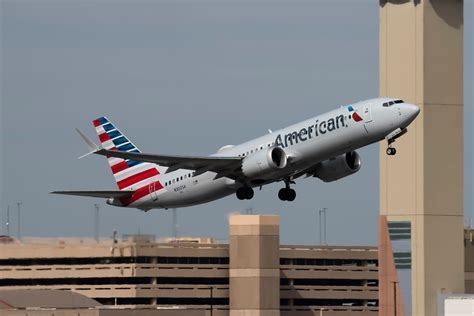
American Airlines: A Legacy of Inclusion and Innovation
At number ten, American Airlines proves that even legacy carriers can lead on sustainability. With a rich history of firsts—from pioneering diverse pilot hiring to launching airport lounges—the airline continues its forward-thinking legacy.
Under CEO Robert Isom, American is integrating low-carbon economy strategies, promoting diverse hiring, and optimizing its operations for fuel efficiency. Isom states, “Solving [climate change] requires bringing people together across sectors and ideologies. That’s why we fly.”
Conclusion: The Aviation Sector’s Green Renaissance
The road to net-zero aviation is challenging, but these ten airlines prove that with innovation, investment, and bold leadership, transformation is possible. From multi-million-dollar SAF funds to the reinvention of global fleets, each of these carriers is playing a pivotal role in reshaping the future of flight.
As passenger demand continues to grow, sustainability must remain at the heart of aviation’s evolution. These airlines are not only preparing for tomorrow—they’re actively building it.