
As global environmental awareness continues to rise, travelers are becoming more conscious of their carbon footprint, including how their flight choices impact the planet. The aviation industry, once considered a major contributor to greenhouse gas emissions, is undergoing significant changes in an effort to mitigate its environmental effects. More and more eco-friendly airlines are stepping up with ambitious initiatives aimed at reducing their environmental impact. These initiatives range from upgrading to more fuel-efficient fleets to promoting sustainable aviation fuel (SAF) and reducing waste. In this article, we will explore how various airlines are making strides toward sustainability, the innovations they are investing in, and how travelers can do their part to contribute to a greener future in aviation.
The Growing Demand for Eco-Friendly Airlines
With the increasing awareness surrounding climate change, travelers are now more inclined than ever to choose airlines that prioritize sustainability. The aviation industry, responsible for a significant share of global carbon emissions, has faced growing pressure to reduce its environmental impact. In response, many leading airlines have implemented eco-friendly practices to minimize their carbon footprint, conserve resources, and reduce waste. From reducing fuel consumption to introducing greener in-flight services, these airlines are proving that environmental responsibility can go hand in hand with quality service.
Key Innovations and Strategies for Sustainable Aviation
Airlines are adopting a variety of strategies to improve their sustainability efforts. Some of the most effective innovations include:
1. Fuel-Efficient Fleets and New Aircraft Technologies
One of the most significant ways airlines are reducing their environmental impact is through the adoption of fuel-efficient fleets. Newer aircraft, such as the Airbus A320neo and the Boeing 787, are designed to be more fuel-efficient than their older counterparts. These planes consume less fuel per mile, reducing the carbon emissions associated with air travel. Additionally, new aircraft often feature winglets—small aerodynamic devices on the wingtips that reduce drag and improve fuel efficiency.

2. Sustainable Aviation Fuel (SAF)
A growing number of airlines are investing in sustainable aviation fuel (SAF), which is made from renewable sources such as waste oils, plant materials, and algae. SAF can reduce carbon emissions by up to 80% compared to traditional jet fuel, making it one of the most promising solutions for achieving carbon-neutral air travel. Airlines like United Airlines, Alaska Airlines, and KLM have already begun incorporating SAF into their fleets, with more airlines set to follow suit as the technology becomes more widespread and accessible.
3. Eco-Friendly Materials and In-Flight Waste Reduction
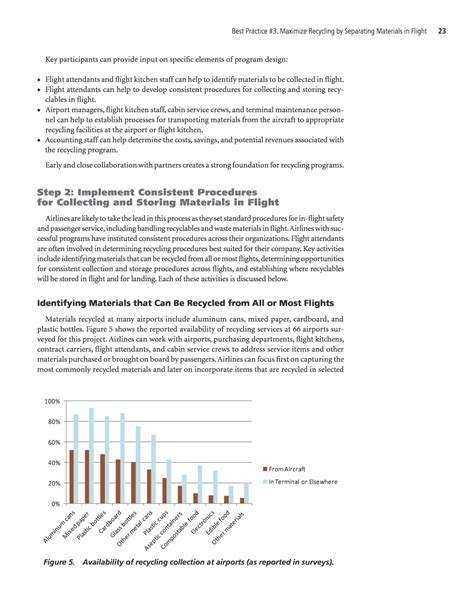
Another key area of focus for eco-conscious airlines is the reduction of in-flight waste. Airlines are now using more environmentally friendly materials for everything from food packaging to seat covers. Many carriers, including Delta Air Lines and JetBlue, are eliminating single-use plastics from their flights, replacing items like plastic cups, utensils, and straws with sustainable alternatives such as biodegradable materials. In addition, airlines are taking steps to reduce the amount of waste generated during flights by offering digital boarding passes, paperless cabins, and waste separation for recycling.
4. Plant-Based In-Flight Meal Options
As part of their broader sustainability initiatives, many airlines are expanding their in-flight menu offerings to include plant-based meals. The environmental impact of meat production is significant, contributing to greenhouse gas emissions, deforestation, and water depletion. By offering more plant-based meal options, airlines can reduce their overall environmental footprint. JetBlue and Delta Air Lines have been leaders in this area, offering travelers a range of vegetarian and vegan meal options that are both eco-friendly and in line with the growing demand for sustainable dining choices.
5. Carbon Offsetting Programs
Carbon offsetting is another effective way airlines are mitigating their environmental impact. Many airlines, including Air Canada, China Airlines, and British Airways, offer passengers the option to purchase carbon offsets when booking their flights. These programs allow travelers to offset the carbon emissions associated with their flight by investing in environmental projects such as renewable energy, reforestation, and energy efficiency programs. These programs help balance out the emissions produced during air travel, enabling passengers to reduce their overall carbon footprint.
Leading Eco-Friendly Airlines in 2025
Several airlines are setting the standard for sustainability in the aviation industry, offering innovative solutions and making significant strides toward reducing their environmental impact. These airlines are not only improving their fleets but are also embracing cutting-edge technologies and sustainable practices. Below, we highlight some of the top eco-friendly airlines that are leading the charge for greener skies.
Alaska Airlines: A Pioneer in Sustainability
Alaska Airlines has long been a leader in eco-friendly aviation. The airline is committed to reducing its carbon emissions and has made impressive strides toward achieving sustainability. Alaska Airlines has been investing in new, fuel-efficient aircraft, and it works closely with the Port of Seattle and Boeing to power its flights with sustainable biofuels. Additionally, Alaska Airlines has taken steps to reduce waste, including going strawless and composting coffee grounds from its flights. The airline’s transparency in reporting its CO2 emissions demonstrates its commitment to being an industry leader in environmental responsibility.
Delta Air Lines: A Commitment to Reducing Plastic Waste and Emissions
Delta Air Lines is another major player in the effort to reduce the aviation industry’s carbon footprint. Delta has pledged to invest in carbon offsets, with the goal of offsetting 50,000 tons of CO2 annually. The airline has also committed to eliminating all single-use plastics on its flights by 2025, which will prevent hundreds of thousands of pounds of plastic waste from entering landfills each year. Furthermore, Delta is working toward its goal of achieving net-zero carbon emissions by 2050, with investments in clean air travel technologies and sustainable aviation fuels.

United Airlines: Carbon-Neutral Flights and Electric Aircraft
United Airlines is at the forefront of the transition to carbon-neutral aviation. In 2019, the airline launched the world’s first carbon-neutral flight, which used sustainable biofuels and eliminated all cabin waste. United is also taking bold steps to transition to electric-powered flights with its investment in Heart Aerospace’s ES-30, a fully electric aircraft set to launch by 2030. United aims to reduce its carbon emissions by 50% by 2050, making it one of the most ambitious airlines in terms of sustainability goals.
KLM: A Leader in Carbon Offsetting and Waste Reduction
Dutch airline KLM has long been a pioneer in sustainability. Since 2008, KLM has implemented a comprehensive climate action plan to reduce its environmental impact. The airline has invested in eco-friendly aircraft and sustainable aviation fuel, as well as offering carbon offset programs for passengers. KLM also focuses on responsible waste management, recycling, and noise reduction measures, making it one of the most environmentally conscious airlines in Europe.
The Future of Eco-Friendly Airlines: Electric Aircraft and Hydrogen Power
The future of air travel looks even greener with the introduction of electric aircraft and the potential use of hydrogen fuel in aviation. Loganair, a regional Scottish airline, is already leading the way in electric aviation by planning to use electric-powered planes for short regional routes by 2024. Similarly, Cape Air has committed to purchasing Eviation Alice aircraft, a fully electric aircraft designed to reduce carbon emissions in regional travel. Another exciting development is the emergence of hydrogen-electric flights, with start-up airline Ecojet planning to operate hydrogen-electric flights starting in 2024. These advancements are expected to play a crucial role in achieving net-zero emissions in aviation.
How Travelers Can Contribute to Sustainable Travel
While airlines are making significant strides in sustainability, travelers can also play a role in reducing the environmental impact of air travel. Here are a few ways to make your flights more eco-friendly:
- Fly in economy class: Economy class seats have a smaller carbon footprint compared to premium cabins.
- Pack light: The lighter the plane, the less fuel it uses. Avoid checking in heavy luggage and bring only the essentials.
- Choose direct flights: Non-stop flights use less fuel and generate fewer emissions than flights with layovers.
- Use carbon offset programs: Many airlines offer the option to offset your carbon emissions at the time of booking.
- Support eco-friendly airlines: Opt for airlines that prioritize sustainability and environmental responsibility.
Conclusion: A Greener Future for Air Travel
As climate change continues to be a critical global issue, it is reassuring to see that many airlines are stepping up to reduce their environmental impact. The introduction of more fuel-efficient fleets, sustainable aviation fuels, and innovations like electric aircraft are paving the way for a greener future in aviation. By choosing eco-friendly airlines and taking steps to minimize our own environmental footprint, travelers can help support a more sustainable and responsible aviation industry. Together, airlines and passengers can contribute to a cleaner, greener sky for future generations.