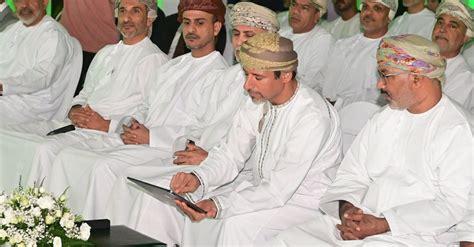
Amira bint Iqbal al Lawati, the Director General of Tourism Development at MHT, has articulated a clear goal: to attract a total of RO3 billion in private sector funding for tourism by 2025. This ambitious vision aligns perfectly with the broader objectives outlined in the Tenth Five-Year Plan (2021–2025), which emphasizes sustainable development and eco-tourism, alongside luxury and adventure travel.
Innovative Approaches to Land Use
Central to this transformative strategy is the Ministry’s innovative approach to land use through usufruct contracts. These agreements allow investors to develop tourism projects on government-owned land for extended periods, thus providing the stability and security necessary for large-scale tourism investments. The success of this model is evident, with 45 usufruct contracts signed between January 2024 and May 2025, including 14 contracts in 2025 alone. This momentum signals a growing interest from the private sector in Oman’s tourism landscape, paving the way for exciting developments across the country.
A Diverse Range of Accommodations
Oman is set to redefine its tourism offerings with a range of new accommodations that cater to various preferences and budgets. In Muscat, a groundbreaking luxury eco-tourism camp is under development near the Ras al Shajar Nature Reserve in Quraiyat. This initiative is designed to provide visitors with an immersive experience in Oman’s natural landscapes while prioritizing environmental sustainability. Such accommodations appeal to eco-conscious tourists eager for authentic travel experiences in pristine environments.
In the Dakhliyah region, the tourism landscape will undergo a dramatic transformation. A luxury camp is being developed in Al Hamra, catering to high-end travelers who seek exclusivity amidst Oman’s majestic mountains. Complementing this, two three-star hotels will be constructed in Sayh Qatnah and Al Shayf, striking a balance between luxury and affordability. Furthermore, a five-star resort in Sa’al, Nizwa will enhance the region’s allure, while additional resorts in Al Hamra will ensure that diverse traveler needs are met.
Coastal Developments in South Batinah
The stunning coastlines of South Batinah are also set for expansion with a new three-star resort in Al Awid, Musannah. This project is poised to become a key attraction, bolstered by complementary facilities designed to enhance the region’s appeal to both local and international tourists. By establishing much-needed infrastructure, Oman aims to meet the rising demand for quality accommodations along its beautiful coastlines.
Adventure Tourism in North Sharqiyah
Adventure tourism takes center stage in North Sharqiyah, where plans are underway for a luxury camp in Al Raka, Bidiyah. This camp will offer visitors the chance to explore the vast desert landscape, providing exhilarating activities for adventure seekers. Additionally, a three-star hotel in Sinaw will expand the area’s capacity to welcome visitors, making it an increasingly attractive destination for those eager to discover Oman’s unique desert beauty.
Growth in Dhofar’s Cultural Landscape
The Dhofar region, renowned for its lush landscapes and vibrant cultural heritage, will also see notable developments. A resthouse in Rakhyut is set to complement the services available along the popular Mughsail Beach, offering a comfortable retreat for travelers exploring this coastal area. Another resthouse in Wadi al Jizzi, Buraimi is designed to harmonize with the natural surroundings, providing an immersive and tranquil experience for those seeking respite in Oman’s scenic deserts and valleys.
Commitment to Sustainable Tourism
The Ministry’s approach is clear: expand accommodation offerings, attract diverse visitors, and ensure that every region of Oman benefits from sustainable, high-quality tourism development. The focus on eco-tourism, mountain tourism, and adventure tourism lies at the heart of the nation’s strategy. Oman aims to deliver experiences that not only showcase its breathtaking landscapes but also minimize the environmental impact of tourism.
Amira bint Iqbal al Lawati has also highlighted the critical role of small and medium-sized enterprises (SMEs) in the tourism sector. By fostering entrepreneurship and supporting local businesses, the Ministry seeks to ensure that the benefits of tourism extend to communities across Oman. This approach will create jobs, promote regional development, and ensure that the growth of the tourism sector is both inclusive and sustainable.
Oman as a Model for Sustainable Tourism Development
In conclusion, Oman is positioning itself not just as a tourist destination but as a model for sustainable and diverse tourism development. The strategic investments in eco-tourism, adventure tourism, and luxury hospitality pave the way for the country to thrive in the global tourism market. With a steadfast commitment to preserving its natural wonders and cultural treasures, Oman is shaping itself into a leading player in the tourism industry.
By embracing forward-thinking strategies, Oman’s tourism sector is poised to make an indelible mark on the world stage. The country offers unparalleled experiences to visitors while creating a positive impact on its economy for years to come. As Oman embarks on this exciting journey, it invites travelers to explore its enchanting landscapes and rich heritage, promising unforgettable experiences that honor both the environment and the culture.