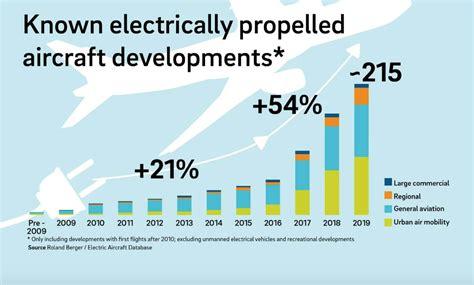
The development of electric airplanes is one of the most exciting frontiers in aviation, driven by the urgent need to combat the environmental impact of traditional fossil-fuel-powered aircraft. As the aviation industry faces increasing pressure to reduce its carbon footprint, several companies are spearheading the transition to electric flight. These companies, ranging from established aerospace giants to innovative startups, are working towards sustainable aviation solutions that will reshape how we travel by air in the future. In this article, we explore the top 10 electric airplane companies that are leading the way, ranked by their revenue and contributions to electric flight innovation.
1. Boeing – Revolutionizing the Skies with Electric Propulsion
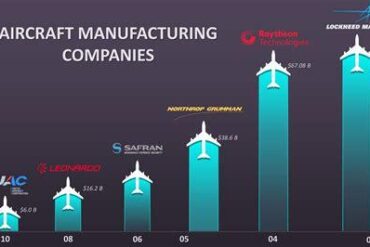
Boeing, a name synonymous with aviation, has been at the forefront of pushing the boundaries of sustainable air travel. With a revenue of US$73.6 billion, the company is deeply invested in the development of electric aircraft and green aviation technologies. Boeing is not just focusing on conventional aircraft but is heavily investing in electric propulsion systems and sustainable aviation fuels (SAF).
The company has committed to a vision where, by 2050, its aircraft will operate with significantly reduced carbon emissions. As part of its strategy, Boeing has been working closely with NASA on electric flight technologies and is exploring hybrid-electric and all-electric solutions for future airliners. With Christopher Raymond serving as the Chief Sustainability Officer, Boeing is positioning itself as a leader in green aviation technologies.
Boeing’s dedication to sustainability can be seen in its partnerships with leading research institutions and its clear commitment to achieving net-zero emissions in the near future.
2. RTX – Transforming Aerospace with Electric Flight Technologies
RTX (formerly Raytheon Technologies) is another global powerhouse in aviation, with a revenue of US$67.1 billion. The company is pivotal in the development of electric flight technologies, particularly in collaboration with NASA to innovate sustainable aviation systems. RTX is a leader in propulsion systems and aircraft design, focusing on more efficient engines and electric aircraft solutions.
RTX has already saved over 1 billion gallons of fuel through its energy-efficient aerospace systems. The company is focusing on the future of electric flight with designs aimed at urban air mobility (UAM) and electric vertical takeoff and landing (eVTOL) aircraft. These initiatives are part of a larger push to reduce emissions in air travel and provide environmentally friendly air transportation alternatives.
3. Airbus – A Giant in Sustainable Aviation
Airbus, the world’s second-largest aircraft manufacturer with a revenue of US$65.29 billion, is a major player in the development of electric aircraft. Known for its cutting-edge technology in commercial aviation, Airbus is exploring electric propulsion and hydrogen-powered aircraft to dramatically reduce the aviation industry’s carbon footprint.
The company has announced its ambition to develop a hydrogen-powered aircraft by 2035, a milestone that could transform the future of sustainable aviation. Airbus is also heavily involved in research around electric flight and hybrid-electric propulsion systems, aimed at making flying greener without sacrificing performance.
Airbus is committed to sustainable aviation fuels (SAF) and sees electrification as a key factor in achieving its sustainability goals. Their work on eVTOL aircraft is already showing promise, and the company’s holistic approach to sustainability is setting a blueprint for the future of the aviation industry.
4. Honeywell International Inc. – Pioneering Electric Propulsion Solutions
Honeywell, a leading multinational conglomerate with a revenue of US$36.41 billion, is another prominent name in the electric aviation space. The company has over 50 years of expertise in propulsion systems and is actively working on the integration of electric flight technologies.
Honeywell’s electric propulsion systems are aimed at a range of applications, from unmanned aerial vehicles (UAVs) to urban air mobility solutions. The company is partnering with aerospace companies to integrate electric powertrains into aircraft, helping to reduce emissions and operating costs. Their work on electric flight control systems is also advancing rapidly, positioning Honeywell as a key player in the green aviation revolution.
5. BAE Systems – Advancing Hybrid-Electric Aircraft
BAE Systems, a British aerospace and defence company with a revenue of US$27.4 billion, has long been a leader in the development of advanced aircraft technologies. The company is now focusing on electric and hybrid-electric propulsion systems for future aircraft.
BAE’s expertise in flight controls and propulsion systems is critical to the development of efficient electric and hybrid aircraft. The company’s modular and scalable approach to these systems is designed to meet the needs of a wide range of aircraft, from regional jets to urban air mobility vehicles.
BAE’s efforts in the electric aviation space are geared toward improving efficiency and reducing environmental impact, making it one of the most important companies in the transition to sustainable flight.
6. Safran – Innovating with Electric Propulsion Systems
Safran, a French aerospace company with a revenue of US$24.96 billion, is another major contributor to the future of electric aviation. Safran’s expertise in aircraft propulsion and electric power systems has positioned it at the forefront of electric flight technology.
The company is working on electric propulsion systems that could power a variety of aircraft types, from small regional planes to larger commercial jets. Safran’s hybrid-electric solutions are already in development, offering the potential to reduce emissions and improve fuel efficiency in the near future.
Safran’s innovations in electrification are part of a broader strategy to make aviation more sustainable. The company is investing in electric aircraft programs that could redefine the future of flying.
7. Thales – Enhancing Electric Flight with Advanced Technologies
Thales, with a revenue of US$19.75 billion, is a global leader in technology solutions for aerospace, defence, and security. The company is working on electric flight technologies that will make air travel safer, more efficient, and more environmentally friendly.
Thales is focusing on electric propulsion systems, aircraft connectivity, and in-flight services for the next generation of electric aircraft. Their systems are designed to improve the operational performance of electric aircraft, making them more reliable and easier to maintain. Thales is also exploring urban air mobility solutions, which are set to transform the way we think about air travel.
8. Ametek Inc. – Powering the Electric Aircraft Revolution
Ametek Inc., an American electronics manufacturer with a revenue of US$6.421 billion, is an integral player in the electric aviation market. The company provides electric propulsion systems and other essential components for electric aircraft.
Ametek’s advanced technologies are helping to power the next generation of electric airplanes by providing lightweight and efficient solutions for electric power generation and energy management systems. Ametek’s contributions are vital to the continued development of electric flight and the transition to sustainable aviation.
9. Yuneec – Leading the Charge in Electric Aviation
Yuneec, a Chinese aviation company with a revenue of US$545.3 million, is well-known for its innovations in electric flight and unmanned aerial systems (UAS). The company has expanded its operations from RC airplanes to cutting-edge electric aircraft.
Yuneec is working on a range of electric aircraft, including urban air mobility solutions and small electric aircraft designed for both commercial and personal use. The company’s work in the electric aviation sector makes it a significant player in the race towards a more sustainable future.
10. Joby Aviation – Pioneering Electric Vertical Takeoff and Landing Aircraft
Joby Aviation, with a revenue of US$464.89 million, is one of the most promising electric aviation startups. The company has gained attention for its development of electric vertical takeoff and landing (eVTOL) aircraft.
Joby’s eVTOL aircraft are designed to offer a quiet, clean, and efficient alternative to traditional helicopters and airplanes. The company is on track to become a major player in the urban air mobility market, providing electric flying cars that will revolutionize transportation in urban areas.
Joby’s partnership with NASA and its successful airworthiness certification from the U.S. Air Force are clear indicators of its potential to lead the future of electric aviation.
As we move towards a more sustainable future, these top 10 companies are shaping the next generation of aviation. From electric propulsion systems to hydrogen-powered aircraft, the industry is on the cusp of a revolution that will change the way we travel by air. The companies listed above are playing an essential role in this transformation, driving innovation, and pushing the boundaries of what’s possible in electric flight. As they continue to innovate and lead the charge in sustainable aviation, we can expect to see significant advancements in the coming years that will pave the way for a cleaner, greener future for air travel.