In the dynamic evolution of aviation, autonomous aircraft companies are not just reshaping air mobility—they are redefining how we envision the sky itself. These firms are pioneering the integration of advanced robotics, artificial intelligence, and next-generation flight systems to achieve safe, scalable, and efficient aerial autonomy.
As we witness the convergence of machine learning, sensor fusion, and edge computing, leading aerospace innovators are building autonomous aircraft for both commercial and defense sectors. This article dives deep into the profiles, technologies, and contributions of top-tier autonomous aircraft companies that are commanding global attention.
Shield AI: Autonomous Combat Intelligence at Scale
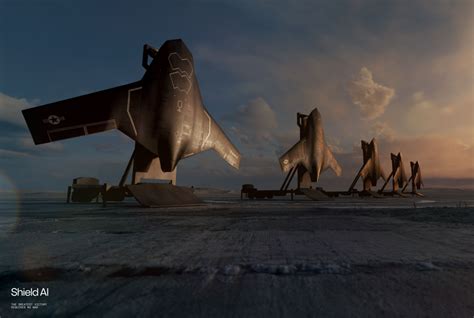
Founded in 2015 and headquartered in the United States, Shield AI is a front-runner in the development of autonomous software for unmanned aerial vehicles (UAVs). The company’s hallmark product, Hivemind, enables drones to independently map, navigate, and execute missions in GPS- and comms-denied environments.
Their technology leverages real-time sensor fusion—integrating visual, inertial, and laser data—to autonomously explore complex indoor and urban settings. In defense applications, this allows tactical teams to rely on autonomous assets for intelligence gathering, surveillance, and reconnaissance (ISR) missions with minimal risk to human life.
Pyka: Agricultural and Cargo Autonomy
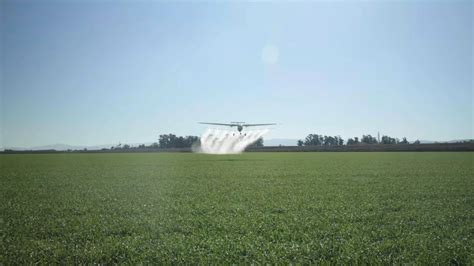
Operating out of California, Pyka specializes in fully autonomous electric aircraft for agricultural and cargo transport use. Their Pelican aircraft exemplifies how AI-powered flight systems can transform regional logistics. Pyka’s software architecture handles 3D mapping, path planning, and terrain-aware navigation, allowing it to fly complex missions without human intervention.
The company is pushing toward certification for autonomous commercial operations, seeking to bridge the gap between regional aviation and uncrewed logistics, especially in areas with limited infrastructure.
Volocopter: Urban Air Mobility Reinvented
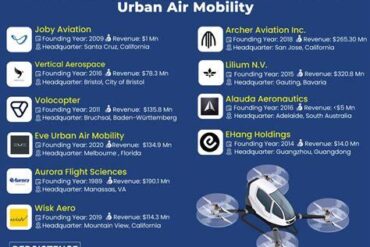
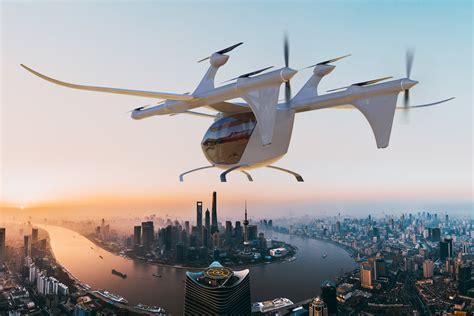
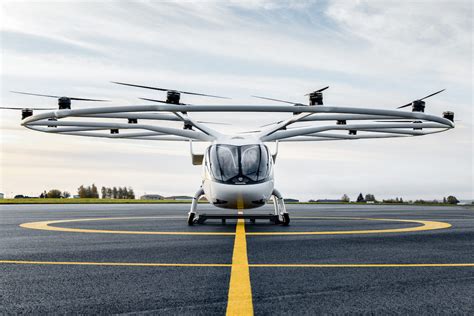
German company Volocopter, founded in 2012, stands at the forefront of electric vertical takeoff and landing (eVTOL) aircraft innovation. With its flagship models like the VoloCity, Volocopter envisions an ecosystem where short-range, autonomous flights ease urban congestion.
Volocopter’s approach integrates flight autonomy software, secure digital airspace management, and electrified flight systems. Backed by rigorous testing and European regulators, it aims to launch commercial UAM (urban air mobility) services by the latter half of the decade.
Fortem Technologies: Making Airspace Safer for Autonomy
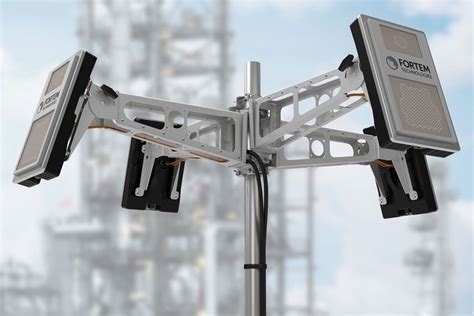
Founded in 2016 in the U.S., Fortem Technologies focuses on ensuring autonomous aircraft can operate safely even beyond the line of sight. Its flagship TrueView Radar system provides real-time airspace situational awareness, enabling drone traffic control and advanced collision avoidance.
Fortem also supplies its SkyDome System, an AI-powered framework that autonomously detects, classifies, and mitigates aerial threats. With applications across commercial delivery drones, urban air taxis, and military ISR platforms, Fortem helps lay the groundwork for a safe autonomous aviation ecosystem.
First Resonance: Building the Factory OS for Autonomous Flight
First Resonance, based in the U.S., enables aerospace companies to build and iterate on autonomous vehicles faster through its ION Factory OS. Designed for the next generation of mobility companies, the platform supports digital manufacturing, compliance automation, and real-time operational intelligence.
By providing a unified backend for hardware iteration and data telemetry, First Resonance accelerates R&D cycles for autonomous aircraft developers, from modular boats to drone swarms and microreactor-powered craft.
Wingtra: Autonomous Survey-Grade Mapping
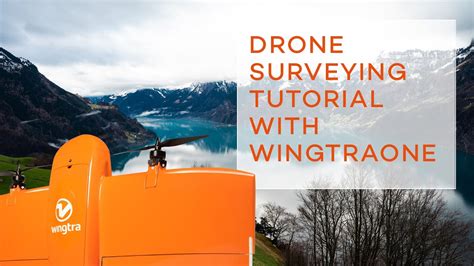
Swiss-based Wingtra is a global leader in VTOL drones optimized for surveying and aerial mapping. Their WingtraOne GEN II merges the agility of multirotors with the endurance of fixed-wing aircraft, making it ideal for high-precision, autonomous missions across infrastructure, mining, and environmental sectors.
Its embedded AI allows for fully autonomous flight planning, real-time failover protocols, and sensor-rich imaging systems, making it one of the most reliable platforms for professional photogrammetry.
Rain Industries: AI-Powered Aerial Fire Response
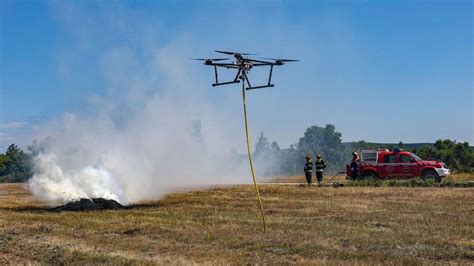
Emerging from California, Rain Industries is reimagining wildfire containment with autonomous drones capable of detecting ignition points and deploying suppressants—all within ten minutes. The Rain System uses real-time satellite data and aerial sensors to coordinate swarms of drones that can act faster than traditional firefighting methods.
This is a vivid case of mission-critical autonomy, where algorithms and robotics intersect to protect vast terrain from environmental catastrophe.
Radical Aerospace: High-Altitude Solar Autonomy
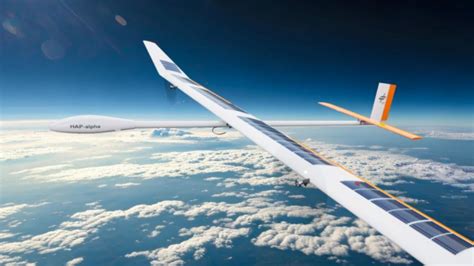
U.S.-based Radical Aerospace, founded in 2022, is taking the skies even higher with solar-powered aircraft that remain in the stratosphere for indefinite periods. These zero-emission platforms are intended for connectivity and surveillance applications, offering persistent, high-altitude monitoring with autonomous onboard intelligence.
This high-endurance capability could serve critical sectors like border security, agriculture, and low-latency telecommunications.
Thales Group: Enterprise-Level Autonomy and Cybersecurity
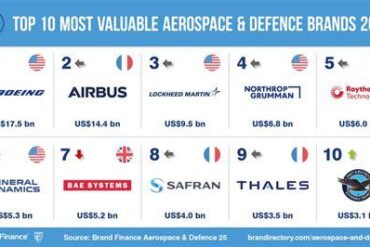
With roots tracing back to 1918, Thales stands as a technological pillar in aerospace autonomy. The French multinational delivers autonomous avionics, secure communication systems, and cybersecure flight management platforms for both military and commercial clients.
Thales is actively involved in building the infrastructure for autonomous air traffic systems, supporting safe airspace integration of UAVs and eVTOLs across global cities.
Airbus: Integrating Autonomy into Global Aviation Infrastructure
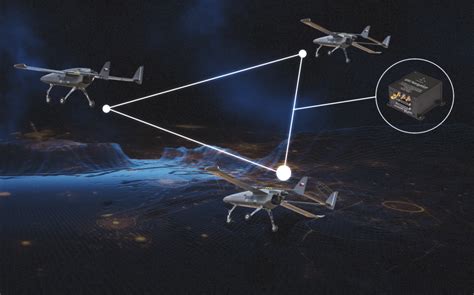
As one of the world’s most prominent aerospace players, Airbus has embedded autonomy into projects like the ATTOL (Autonomous Taxi, Take-Off and Landing) program. Using AI-based vision systems, Airbus has demonstrated fully autonomous passenger aircraft maneuvers—ushering a shift toward human-machine flight collaboration.
Their commitment to Urban Air Mobility, digital twin modeling, and autonomous mission control systems underlines Airbus’s long-term roadmap to reshape air transport worldwide.
Conclusion: The Skies Ahead
From battlefield automation and last-mile cargo delivery to urban mobility and disaster response, autonomous aircraft companies are catalyzing a new aerial paradigm. The technologies they pioneer today—AI flight intelligence, next-gen propulsion, sensor-rich navigation—will form the backbone of tomorrow’s aviation ecosystem.
As regulatory frameworks mature and aerospace integration deepens, the innovators detailed above are not merely building aircraft—they are architecting the autonomous future of flight.