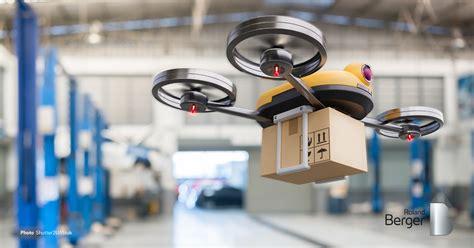
The cargo drone industry is rapidly transforming the logistics landscape, promising a future where freight transport is faster, cleaner, and more efficient. With the global cargo drone market projected to expand from USD 1.53 billion in 2024 to USD 8.92 billion by 2030, at a staggering CAGR of 34.2%, the industry is attracting substantial investments and technological advancements. Key players are leveraging this momentum to design, manufacture, and deploy next-generation unmanned aerial vehicles (UAVs) tailored for diverse cargo applications.
Natilus (US): Hybrid Innovation for Long-Haul Cargo
Natilus, a California-based aerospace company, stands at the forefront of hybrid cargo UAV development. Its primary focus lies in replacing traditional freight aircraft with large, fuel-efficient drones that significantly reduce operational costs and carbon emissions. These drones combine fixed-wing design with autonomous systems, offering an alternative to conventional logistics. Natilus’ flagship product is engineered to carry large payloads over intercontinental distances, optimizing both time and cost metrics for bulk freight delivery.
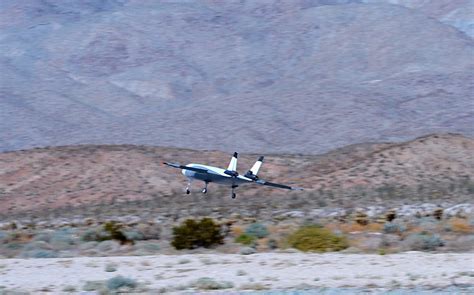
Natilus distinguishes itself by developing drones that require no onboard pilot, minimizing crew-related expenses and increasing flight scheduling flexibility. This technological innovation also aligns with global goals to decarbonize aviation, further positioning Natilus as a sustainable solution provider in the aerospace sector.
Dronamics (UK): Revolutionizing Regional Cargo Logistics
London-based Dronamics is reshaping air freight through its flagship Black Swan drone, a fixed-wing UAV capable of carrying up to 350 kilograms over 2,500 kilometers. Dronamics addresses the growing need for regional same-day delivery, especially in areas with limited ground infrastructure. Its drone operates autonomously and has been designed for point-to-point logistics without relying on traditional airports, using short unpaved runways instead.
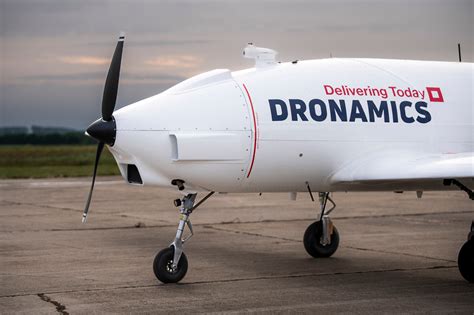
As the first authorized cargo drone airline in Europe and IATA’s Global Strategic Partner for drones, Dronamics has firmly established its credibility. Its services cater to sectors such as pharmaceuticals, e-commerce, food supply chains, and spare parts, emphasizing reliability and scalability. The company’s infrastructure-first approach—focused on creating droneports and seamless backend operations—exemplifies the future of digital logistics ecosystems.
Sabrewing Aircraft Company (US): Heavy-Lift Capabilities for Challenging Terrains
Operating from Silicon Valley and Japan, Sabrewing Aircraft Company develops heavy-lift autonomous drones specifically built for extreme conditions and large-volume freight. Its flagship UAV, the Rhaegal, can vertically lift up to 2 metric tons and fly across 1,500 nautical miles. These vertical take-off and landing (VTOL) capabilities make Rhaegal particularly suitable for military missions, oil and gas industries, and disaster zones where infrastructure is scarce.
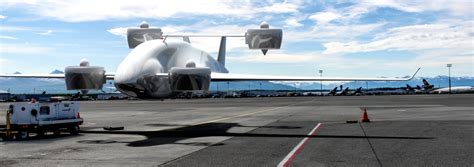
Rhaegal features jet-turbine propulsion, autonomous avionics, and all-weather capabilities, allowing it to operate in terrains where traditional aircraft falter. The dual-purpose design appeals to both civilian logistics and defense applications, and partnerships with international organizations are helping Sabrewing gain significant market traction.
Elroy Air (US): eVTOL Logistics for Remote and Humanitarian Operations
San Francisco-based Elroy Air has introduced the Chaparral, a hybrid-electric eVTOL cargo drone capable of transporting 300–500 pounds over 300 nautical miles. Unlike traditional UAVs, the Chaparral is engineered for vertical take-off and landing, allowing it to serve remote locations without requiring runways. The drone’s modular cargo pods enable quick turnaround and efficient logistics chains.
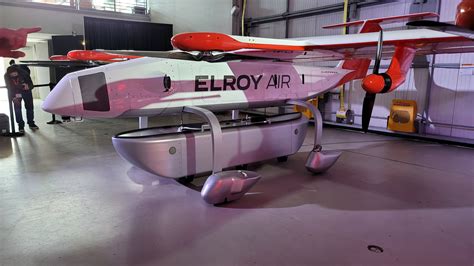
Elroy Air’s strategy targets industries and missions with urgent or infrastructure-limited delivery needs—including humanitarian aid, defense, and last-mile logistics. With over USD 2 billion in pre-orders, partnerships with Bristow Group and LCI, and pilot operations planned by 2025, Elroy Air is set to transform mid-range freight aviation.
Silent Arrow (US): Tactical Delivery Systems for Military and Disaster Relief
Silent Arrow specializes in fixed-wing autonomous cargo drones designed for rapid deployment and aerial drop capabilities. Its UAVs carry between 350 to 2,000 pounds and are deployable from various aircraft, allowing them to reach conflict zones or disaster areas where ground access is impossible.
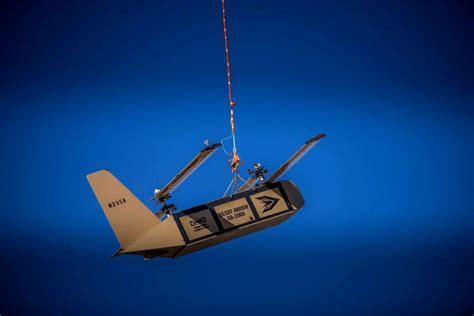
The company has secured development contracts with organizations like U.S. Special Operations Command and Airbus, enhancing its profile in defense logistics and tactical operations. These drones are disposable or reusable, depending on mission requirements, making them ideal for critical resupply missions in hostile environments.
Driving Factors: Market Trends and Challenges
Several factors contribute to the surge in cargo drone deployment:
- Demand for faster, cost-efficient deliveries in both urban and remote areas.
- Environmental goals encouraging lower-emission alternatives to air freight.
- Investment in drone technology, particularly in avionics, battery power, and autonomous navigation.
- Falling component costs, which reduce overall development and operational expenses.
However, the industry faces several key challenges:
- Regulatory bottlenecks, as global aviation laws adapt slowly to accommodate unmanned aircraft.
- Air traffic management limitations, particularly in shared or urban airspaces.
- Weather sensitivity for lighter drones with long-range capabilities.
Despite these obstacles, governments and private sectors are increasingly aligned in supporting infrastructure and legislation for unmanned cargo transport, signaling long-term growth.
Other Notable Players in the Global Arena
While the above companies lead in innovation and adoption, other firms are shaping the industry as well:
- BAE Systems (UK) is exploring dual-use military and civilian drone logistics.
- Volocopter GmbH (Germany) has begun cargo drone trials aligned with its urban air mobility initiatives.
- Dufour Aerospace (Switzerland) offers tilt-wing UAVs for mixed cargo and passenger solutions.
- EHang (China) is advancing autonomous air delivery with high payload-capable drones.
- Arc Aero Systems (UK) and SKYPORTS INFRASTRUCTURE LIMITED (UK) focus on building droneport infrastructure and VTOL logistics hubs.
- UAVOS Inc. (US) develops long-endurance drones for ISR and cargo applications.
Future Outlook: The Next Decade in Autonomous Freight
The cargo drone sector is poised for a paradigm shift. With 2,746 drone units projected by 2030, autonomous freight is moving from speculative tech to real-world implementation. Key to this progress is the convergence of AI navigation systems, modular design principles, and global regulatory collaboration. As drones integrate into the broader supply chain, we anticipate:
- Dedicated air corridors for unmanned cargo operations.
- Hybrid drone fleets supporting both freight and medical delivery.
- Cross-border drone logistics, especially in emerging markets with fragmented infrastructure.
As the skies open up to a new class of airborne logistics, the companies leading today are laying the foundation for a future where freight moves faster, smarter, and cleaner than ever before.