Earlier this year, Lufthansa Cargo made a significant leap towards expanding its global cargo network through a strategic move involving ITA Airways. With Lufthansa’s purchase of a 41% stake in the Italian national carrier, the cargo division has rapidly moved forward in integrating ITA’s belly capacity into its system. This move will not only boost Lufthansa Cargo’s coverage in Southern Europe but also enhance its service offerings worldwide. Here’s how Lufthansa is swallowing ITA Airways’ cargo operation and what it means for the global air freight industry.
Lufthansa Cargo’s Strategic Expansion
In a groundbreaking decision, Lufthansa Cargo revealed that starting next month, it will begin to market belly capacity on select ITA Airways routes. These routes will initially cover key South American destinations, including Buenos Aires, Rio de Janeiro, and São Paulo, all departing from ITA’s hub in Rome Fiumicino (FCO). This expansion is a part of Lufthansa Cargo’s broader efforts to increase its presence in Southern Europe and strengthen its competitive edge in global freight services.
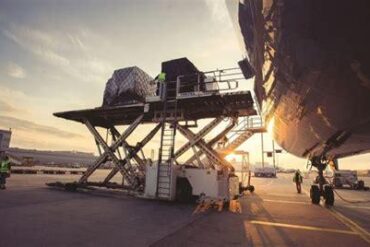
By integrating ITA Airways’ routes into its own operation, Lufthansa Cargo’s fleet will experience a 20% increase in global belly capacity. For context, belly capacity refers to the hold space in passenger aircraft, which is often used for freight. This is a crucial aspect of air cargo operations, as it offers airlines a lucrative revenue stream beyond passenger tickets. The belly cargo of wide-body aircraft, such as the Airbus A350 or A330, plays a pivotal role in enhancing Lufthansa’s ability to meet growing demand in air freight.
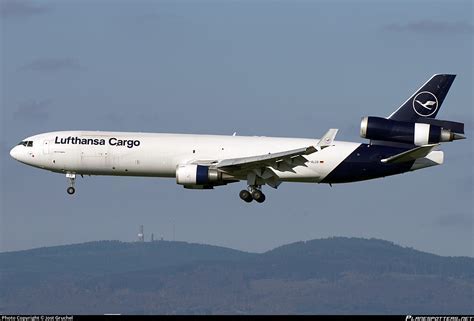
A Closer Look at ITA Airways’ Fleet Integration
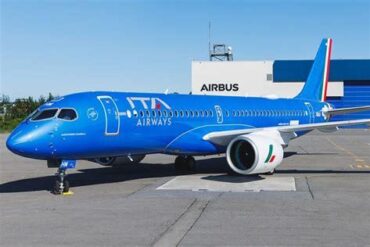
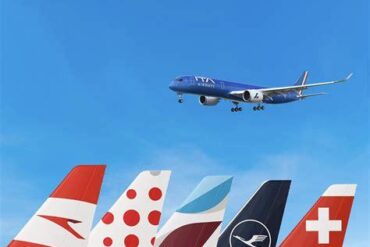
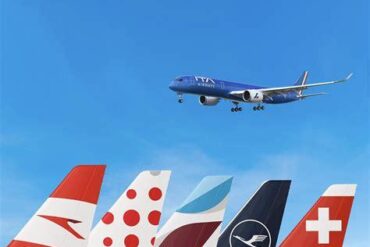
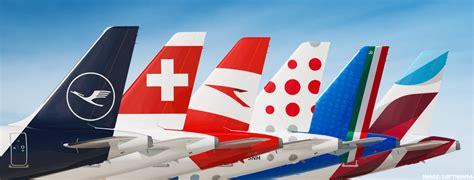
ITA Airways, which operates a fleet of 99 aircraft, including 22 long-haul planes such as the Airbus A330 and A350, brings significant value to Lufthansa Cargo’s expanding network. This fleet will add crucial capacity to Lufthansa’s existing services, which already benefit from an extensive range of belly cargo offerings across its subsidiaries, including Lufthansa, Austrian Airlines, Brussels Airlines, Eurowings, and SunExpress. Lufthansa Cargo operates over 7,000 flights per week, offering a diverse network of routes across the globe.
The integration of ITA’s aircraft into Lufthansa’s system will significantly bolster the cargo division’s capacity and range, including major South American routes and potential expansion into continental and intercontinental routes. As Ashwin Bhat, CEO of Lufthansa Cargo, remarked, this move opens up additional solutions for customers, offering reliable and faster connections to and from Southern Europe and beyond.
Rome Fiumicino Becomes Lufthansa’s Fifth Cargo Hub
As part of this integration, Rome Fiumicino (FCO) will now serve as Lufthansa Cargo’s fifth cargo hub, alongside Brussels, Frankfurt, Munich, and Vienna. This development is a significant boost to Lufthansa’s operations in Southern Europe, especially considering FCO’s recent growth as a major freight hub. The airport is Italy’s second-busiest for cargo operations and handled nearly 190,000 tonnes of freight in 2023, marking a 35% year-on-year increase.
FCO’s dedicated cargo terminal, Cargo City, is designed with advanced storage and cargo handling capabilities, making it an ideal addition to Lufthansa Cargo’s infrastructure. The integration of ITA Airways into this hub will allow Lufthansa to further streamline operations and provide more efficient cargo services to clients. As Joerg Eberhart, CEO of ITA Airways, noted, this collaboration will create synergies that enhance customer service and broaden the network.
The Strategic Value of Belly Cargo
Belly cargo capacity is crucial to Lufthansa Cargo’s strategy as it adds a flexible and cost-effective way to transport freight. Passenger aircraft with wide-body designs, like the A350, offer substantial belly space, making them highly valuable for air cargo operations. This capacity is expected to grow as the aviation industry recovers from the COVID-19 downturn, and airlines increasingly rely on passenger flights for freight revenue.
In fact, more than half of global air freight capacity is carried in the bellies of passenger aircraft. For Lufthansa, incorporating ITA’s belly cargo into its network will significantly enhance its offerings, giving customers even more choices in terms of routes and services. As the cargo sector continues to recover from the pandemic, this integration positions Lufthansa Cargo for greater competitiveness and efficiency in the marketplace.
Rome Fiumicino’s Role in Lufthansa’s Expanding Network
Rome Fiumicino plays a pivotal role in Lufthansa’s growing cargo operations. As Italy’s second-busiest cargo airport, it is quickly becoming an essential hub for the airline’s freight services. The cargo terminal, Cargo City, will help streamline operations and increase capacity by offering advanced storage and handling solutions.
With the new alliance between Lufthansa Cargo and ITA Airways, FCO is set to become even more crucial in the airline’s global freight network. The integration will enable Lufthansa Cargo to offer more city pairings, further improving its global reach.
Leadership Changes at Lufthansa Cargo
In the midst of its expansion efforts, Lufthansa Cargo has also made strategic leadership changes. Frank Bauer, the former CFO of Lufthansa Cargo, will take over as Chief Operating Officer (COO), while Gregor Schleussner, the former head of finance at Eurowings, has been appointed as the new CFO.
These leadership changes reflect Lufthansa Cargo’s continued commitment to improving its operations and adapting to the evolving air cargo market. With Bauer’s extensive experience in the air cargo sector, the company is poised to successfully navigate the growing demands of global freight.
Looking Ahead: Lufthansa Cargo’s Growth and Market Expansion
As Lufthansa Cargo continues to expand its network, the airline is also adjusting its cargo operations to meet shifting market demands. One notable shift is the company’s increased focus on Asia, as it adjusts its fleet to the region’s growing importance in global trade. Lufthansa Cargo has already moved freighter capacity from the North Atlantic to Asia, where demand is anticipated to grow significantly over the next few decades.
This strategic focus on Asia is further supported by projections from Boeing, which predicts that the East and South Asian markets will see the highest traffic growth in the coming years. This aligns with Lufthansa Cargo’s plans to position itself as a leading player in the booming Asian cargo market.
Conclusion: The Future of Lufthansa Cargo’s Integration with ITA Airways
Lufthansa’s integration of ITA Airways into its cargo operations marks a significant step towards enhancing its global network and strengthening its presence in Southern Europe. The move expands Lufthansa Cargo’s belly capacity and offers more destinations for customers, with the Rome Fiumicino hub serving as a critical element in this strategy.
With plans to gradually integrate more ITA routes into its network, Lufthansa Cargo is poised for continued growth and success. This strategic expansion not only bolsters its cargo capacity but also enhances the services it offers to customers around the world. The synergies between Lufthansa Cargo and ITA Airways are expected to create a more efficient and comprehensive global freight network, positioning Lufthansa as a dominant force in the international air cargo sector.