The High-Value Landscape of Air Freight Delivery Careers
Air freight delivery services have emerged as a cornerstone of global logistics, especially in the post-pandemic era. With over 231,000 million Cargo Tonne-Kilometres (CTK) moved in 2021 and a continuously rising demand in e-commerce, the industry is poised for expansion. The aviation sector directly employs over 11.3 million professionals, and air cargo forms a lucrative and vital arm of this ecosystem.
E-commerce has drastically accelerated air freight operations. In 2019 alone, it made up 15% of all air freight, a figure that surged with global shifts during the COVID-19 pandemic. With global e-commerce sales hitting $4.4 trillion in 2021 and projected to reach $7.4 trillion by 2025, the air cargo industry is positioned for sustained growth.
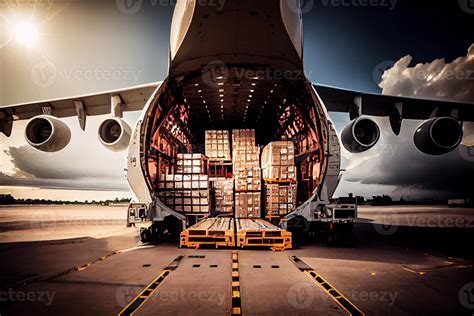
This boom creates highly paid job opportunities across several specialized roles. Below, we dissect the top-paying careers in the air freight delivery sector.
Air Freight Pilot
The top-tier role in this domain, the air freight pilot, commands a median salary of $100,000, with figures stretching significantly higher based on experience and aircraft type. Unlike commercial airline pilots, cargo pilots often work unconventional schedules, including overnight or long-haul flights.
Boeing projects a 70% increase in the global freighter fleet by 2035, raising the count to over 3,000 freighter aircraft. As a result, demand for skilled cargo pilots and co-pilots will soar in parallel.
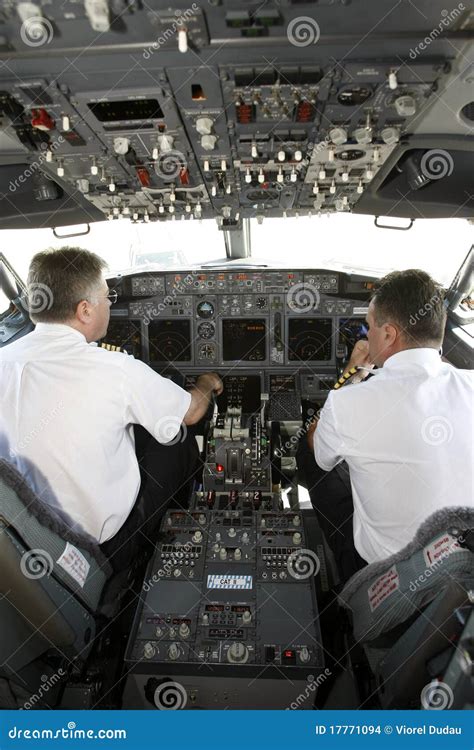
To qualify, candidates typically require:
-
A high school diploma or bachelor’s degree
-
Commercial pilot’s license (CPL)
-
FAA Air Transport Pilot certificate (ATP)
-
Accumulated flying hours (often over 1,500 hours)
Air Traffic Controller
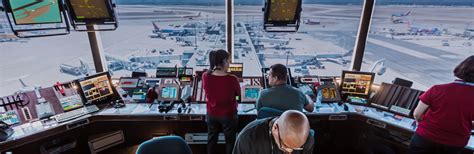
The air traffic controller (ATC) plays a crucial role in maintaining flight safety by coordinating aircraft movement on the ground and in airspace. Their decisions are vital, especially during cargo-heavy operations. Despite the stress involved, the profession remains highly compensated, with salaries ranging from $50,000 to $130,000.
As air traffic volume continues to grow, ATCs will become even more indispensable in preventing delays and collisions across crowded freight hubs.
Aircraft Maintenance Mechanic
Aircraft maintenance is not just about turning wrenches. In freight aviation, it demands precise technical acumen, especially with automated loading systems, hydraulic components, and avionic circuits. Mechanics ensure that aircraft remain airworthy and compliant with strict safety standards.
Typical salaries range between $50,000 and $100,000, depending on certifications and specializations. Mechanics with helicopter maintenance expertise often command premiums when serving logistics firms operating rotorcraft.
Freight Agents
Freight agents, also known as cargo agents, form the logistical backbone of every successful air cargo operation. These professionals handle documentation, customs clearance, and cargo tracking. Their responsibilities include:
-
Booking cargo shipments
-
Coordinating with airlines and ground staff
-
Monitoring dangerous goods protocols
-
Verifying shipment weight and compatibility
Annual salaries average between $40,000 and $80,000, reflecting both skill and volume of cargo handled.
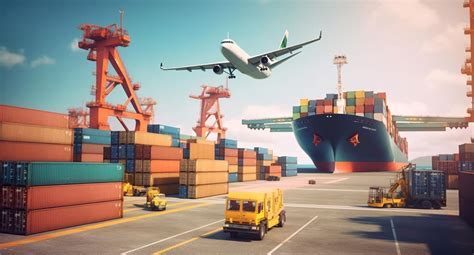
Freight agents must be tech-savvy and possess in-depth knowledge of logistics software and international compliance regulations.
Air Cargo Manager
Air cargo managers, sometimes known as transportation directors or logistics program managers, orchestrate large-scale freight operations. Their work involves tracking real-time cargo movements, evaluating performance metrics, and ensuring customer satisfaction.
These roles demand at least a bachelor’s degree in logistics or aviation management, and salaries can reach or exceed $100,000 annually.

With a steep learning curve and a need for comprehensive industry knowledge, air cargo managers are both high-responsibility and high-reward positions.
Flight Dispatcher
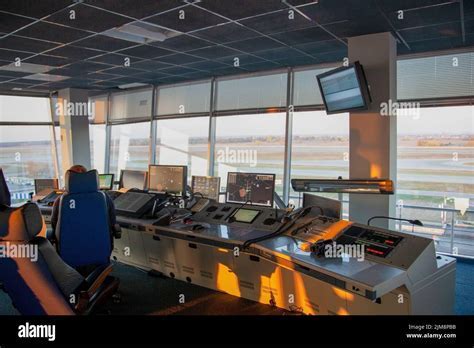
The flight dispatcher is often the unsung hero of successful freight operations. Working closely with pilots, dispatchers ensure flights are safe, efficient, and well-coordinated. This includes monitoring weather conditions, preparing flight plans, and adjusting routes based on real-time data.
Requirements include:
-
FAA dispatcher certification
-
Training in meteorology and aviation law
-
Operational knowledge of flight performance software
Average salaries hover around $60,000, with potential for growth in managerial or international dispatcher roles.
Flight Attendant (Specialized Cases)
Flight attendants are rare in cargo aviation, typically appearing only in converted passenger aircraft or long-haul crew relief situations. During the COVID-19 pandemic, however, the repurposing of passenger jets for freight highlighted the role of cabin crew in cargo operations.
Though not standard in freighter setups, in rare cases where they are employed, flight attendants earn an average salary of $80,000, similar to their commercial counterparts.
The Outlook: Rising Demand and Long-Term Security
The air freight sector is projected to grow in tandem with global trade and digital commerce trends. Key drivers include:
-
Surge in cross-border e-commerce platforms
-
Modernization of aircraft fleets
-
Advancements in cold chain logistics and pharmaceutical shipping
This expansion ensures a secure and lucrative career path for those entering the industry. Whether you’re drawn by cockpit responsibilities or behind-the-scenes logistics, air freight offers dynamic career trajectories.
FAQ
What qualifications are needed to work in air freight delivery services?
Qualifications vary by role. For example, air freight pilots need FAA certification and thousands of flight hours, while freight agents may begin with a high school diploma and receive on-the-job training. Specialized training in logistics, aviation law, and software systems is a major asset in all roles.
Is air freight delivery a growing industry?
Yes. With e-commerce growth and the increasing demand for rapid delivery, the air cargo industry is expanding fast. Freight volumes, aircraft fleets, and digital systems are all advancing, creating consistent demand for skilled professionals.
Are these jobs available worldwide?
Absolutely. Major logistics companies like DHL, FedEx, and UPS operate across continents, and growing regional hubs in Asia, the Middle East, and South America are driving job creation globally.