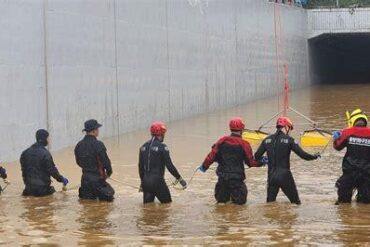
The devastating floods that swept through Kerr County and along the Guadalupe River have left a profound mark on the Texas Hill Country. As of Sunday afternoon, officials confirmed at least 68 fatalities, with dozens more reported missing. In response to the disaster, state and military authorities have deployed significant resources to bolster ongoing search and rescue efforts, including cutting-edge aerial technology operated hundreds of miles away.
Military Drone Provides Vital ‘Eyes in the Sky’ Over Flood Zones
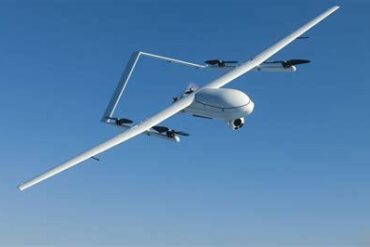
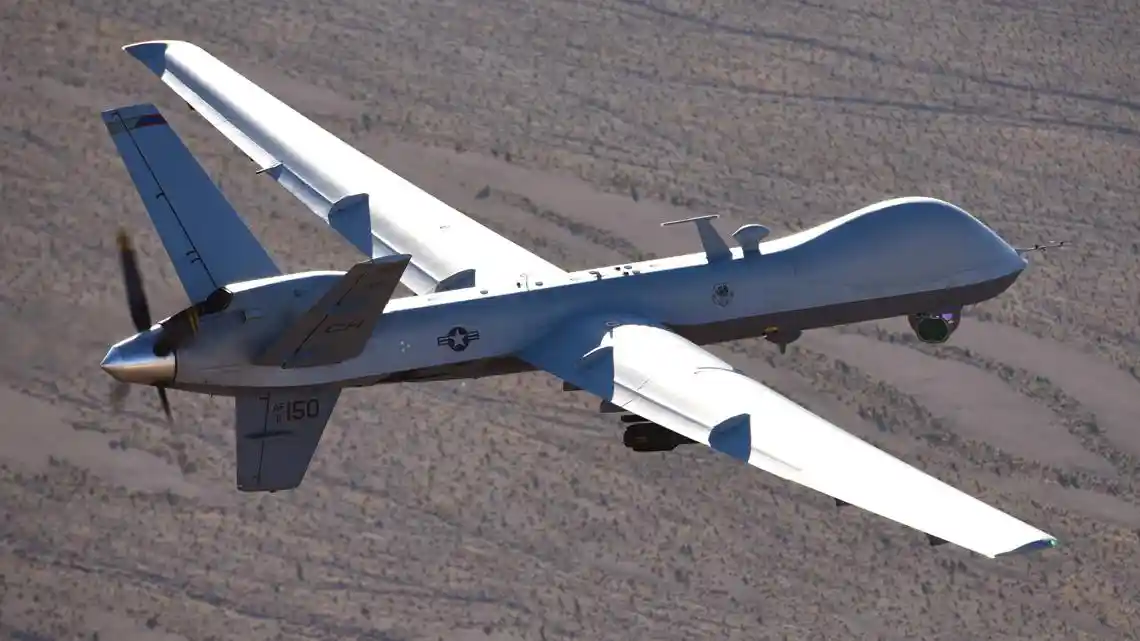
A critical component of the response effort arrived in the form of a military-grade drone, the MQ-9 Reaper, which was launched out of Houston to provide high-altitude reconnaissance over the flood-affected areas. According to Major General Thomas M. Suelzer of the Texas National Guard, the unmanned aerial vehicle (UAV) delivered real-time visual intelligence that has proven indispensable for coordinating ground teams and helicopter units amid treacherous conditions.
The MQ-9 Reaper, a staple of the U.S. Air Force’s fleet primarily known for overseas operations, was rapidly repurposed for domestic disaster relief following a special flight clearance from the Federal Aviation Administration (FAA). “The FAA granted a temporary flight restricted area through a lower altitude, which allowed our aircraft to safely transit across Texas and operate in the Kerr County area,” Gen. Suelzer announced during a press conference held Sunday.
Houston-Controlled Drone Flies 18,000 Feet to Reach Disaster Zone
The deployment marked a milestone in the use of remotely piloted aircraft for civilian rescue operations in Texas. After taking off from Houston, the MQ-9 Reaper navigated over the Gulf of Mexico, ascending to an operational altitude of 18,000 feet before reaching Kerr County. From that vantage point, the drone supplied real-time imagery and aerial surveillance, giving search teams unprecedented situational awareness.
The MQ-9 Reaper is equipped with state-of-the-art electro-optical and infrared sensors, allowing operators to detect stranded individuals, assess damage, and monitor evolving hazards even in poor visibility. Ground controllers, operating from secure facilities in Houston, directed the drone’s high-altitude flight path while streaming critical reconnaissance data directly to commanders and rescue coordinators on the ground.
Massive Military Deployment in Kerr County: Rescues Continue
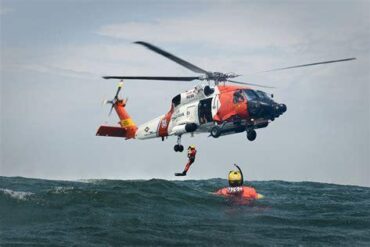
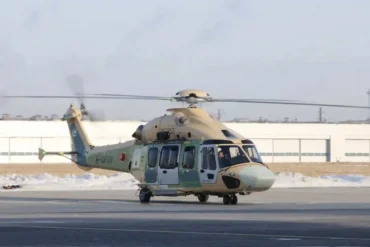
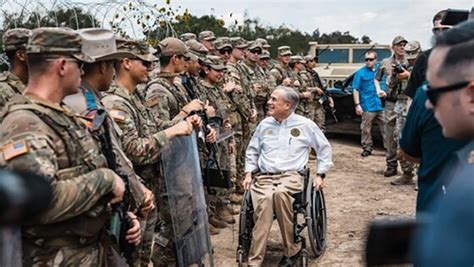
In addition to drone support, the Texas National Guard has mobilized an extensive relief operation involving over 230 service members, eight helicopters, and specialized high-profile vehicles designed for flood-prone environments. Gen. Suelzer reported that the combined efforts have already resulted in 366 air rescues or evacuations and 159 ground evacuations, underscoring the scale and urgency of the mission.
“The conditions in Kerr County and along the Guadalupe River remain dangerous,” Suelzer emphasized. “Our teams are working tirelessly to locate missing persons, evacuate stranded residents, and ensure the safety of both the public and first responders.”
Floodwaters, swollen by days of relentless rain, have submerged vast portions of the Hill Country. Roads have been washed out, communication lines disrupted, and entire communities isolated, complicating search and rescue operations. The use of military drones offers a technological advantage in overcoming these obstacles.
MQ-9 Reaper: From Battlefield to Disaster Response
Originally developed for military surveillance and precision strikes, the MQ-9 Reaper represents the cutting edge of unmanned aerial systems. Manufactured by General Atomics Aeronautical Systems, the Reaper can fly for more than 27 hours, reach speeds of 300 mph, and operate at altitudes up to 50,000 feet. Its multi-sensor suite enables detailed reconnaissance over wide areas, making it uniquely suited for large-scale disaster zones like the Texas Hill Country.
While the drone’s deployment in a domestic setting is rare, officials highlighted the extraordinary circumstances necessitating its use. The historic floods in Kerr County have overwhelmed local resources, prompting an unprecedented military response coordinated with state and federal agencies.
FAA’s Rapid Response Enables Aerial Rescue Operations
The success of the MQ-9 Reaper mission was made possible by swift action from the Federal Aviation Administration, which issued a temporary flight restriction (TFR) granting the drone safe passage across Texas airspace. Such clearances are typically complex and time-consuming but were expedited given the humanitarian emergency.
“We appreciate the FAA’s cooperation in enabling rapid drone deployment,” Suelzer stated. “Their support ensured we could provide aerial surveillance precisely when and where it was needed most.”
The TFR allowed the MQ-9 Reaper to transit at lower altitudes than commercial aircraft, avoiding congested airspace and adverse weather systems, and reaching Kerr County without delay.
Catastrophic Flood Impact: Communities Devastated
The flooding has inflicted severe damage across the Guadalupe River basin, with towns like Kerrville, Hunt, and surrounding communities bearing the brunt of the disaster. Rivers overflowed, inundating homes, businesses, and infrastructure. Emergency shelters have been set up, but many residents remain trapped or missing as search teams comb through debris and submerged areas.
Weather experts attribute the catastrophic flooding to a stalled low-pressure system that unleashed relentless rainfall over central Texas, overwhelming the region’s rivers and dams. The National Weather Service has issued continued flood warnings, with more rainfall expected in the coming days.
Drones Enhancing Search and Rescue: Future Implications
The deployment of the MQ-9 Reaper signifies a growing role for military-grade drones in domestic crisis response. Their ability to cover vast territories, provide high-resolution imagery, and operate in hazardous conditions offers invaluable support to overwhelmed first responders.
Experts suggest that as drone technology evolves, we may see increased reliance on unmanned systems for natural disaster relief, wildfire monitoring, and other civilian emergencies. In Texas, the successful integration of the Reaper into the flood response could serve as a blueprint for future operations nationwide.
Coordinated Response Saves Lives Amid Unfolding Tragedy
Despite the grim death toll and the ongoing search for survivors, officials credit the rapid, multi-agency response with preventing even greater loss of life. The combination of aerial reconnaissance, helicopter rescues, high-water vehicles, and community support has allowed emergency teams to reach isolated areas and evacuate vulnerable populations.
Major General Suelzer emphasized the importance of continued vigilance and cooperation: “This is a dynamic situation. We urge residents to heed evacuation orders, stay informed, and assist one another as we navigate this disaster together.”
As floodwaters slowly recede, the full extent of the damage is becoming apparent. Rebuilding the affected communities will require time, resources, and coordinated recovery efforts. Yet amid the destruction, the successful use of Houston-controlled military drones stands as a testament to innovation, preparedness, and the unwavering commitment to save lives.