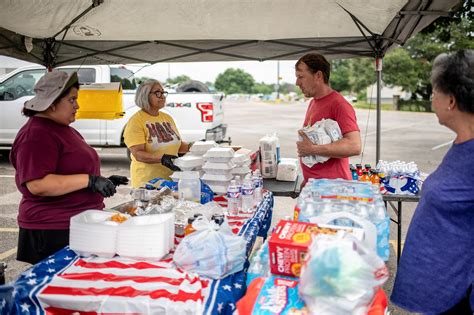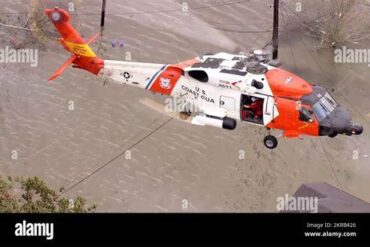
The devastating flash floods that ravaged Central Texas in mid-July 2025—submerging roads, homes, and livelihoods in Kerrville, Hunt, Comfort, Ingram, and surrounding areas—triggered an unprecedented mobilization of the U.S. airline industry. From massive cargo airlifts to loyalty mile donations, the airspace above the Texas Hill Country transformed into a corridor of coordinated humanitarian response.
As rainfall pushed the Guadalupe River to catastrophic levels—cresting at 37 feet in Hunt and 21 feet in Kerrville—airlines and air freight operators sprang into action, spearheading a civilian airlift operation rivaling some military-level efforts.
Southwest Airlines Leads with Homegrown Response and Humanitarian Precision
Headquartered in Texas and emotionally invested in its community, Southwest Airlines rapidly asserted leadership in the emergency effort. The carrier’s partnership with the Kerr County Flood Relief Fund showcased how airlines can harness local roots and logistical acumen for disaster support. Working directly with Team Rubicon and the American Red Cross, Southwest managed the coordination of emergency supply drops and temporary shelters in tandem with state-sanctioned FEMA sites.
Unlike symbolic donations or mere press statements, Southwest’s involvement penetrated the operational core of flood relief, delivering essentials to shelters and providing transport logistics for relief personnel. This includes direct flights to nearby regional airports and use of local infrastructure hubs for cargo offloading. Southwest also integrated federal non-profit channels and state disaster agencies, maximizing both speed and impact.
American Airlines Expands Reach with Supplies, Points, and Personnel
American Airlines, operating with both scale and reach, deployed over 2,000 care packages tailored for first responders, National Guard units, and Coast Guard teams embedded in water rescue efforts across Kerr County.
The Fort Worth-based carrier activated its Disaster Giving Program, a partnership with the American Red Cross, by channeling AAdvantage® member donations. American also positioned charter flights with disaster-certified crew and coordinated air freight of medical supplies, portable water purification units, and mobile communication stations.
These actions emphasized American’s dandelion-style presence in the air—scattered, wide-reaching, but all growing from a single command base. Their operations not only bridged regional gaps between relief sites in Ingram, Comfort, and Hunt, but also accelerated deployment of mobile triage units and trauma teams.
Atlas Air Sets Example in Corporate Employee Matching
Atlas Air stood out among cargo carriers for its dual engagement strategy: logistical support and employee-driven philanthropy. The New York-based cargo airline matched all donations from its employees to the Kerr County Flood Relief Fund, reinforcing the image of airlines not just as carriers of goods, but as advocates for collective responsibility.
Atlas also provided aircraft and crew for specialized missions coordinated through the Federal Emergency Management Agency (FEMA) and the Texas Division of Emergency Management (TDEM), flying in everything from MREs to solar-powered generators to maintain communications in shelters lacking grid power.

United Airlines Leverages Loyalty and Partnership Networks
United Airlines adopted a unique model for engagement: miles-based disaster relief. The airline donated 6 million MileagePlus® miles and matched every customer mile donated. This enabled seamless movement of disaster response teams across the country to Texas. In collaboration with Airlink, World Central Kitchen, and Good360, United played a critical role in keeping relief efforts mobile, responsive, and well-fed.
United’s logistical response emphasized not just physical mobility, but network connectivity. Miles were redeemed to fly trauma counselors, logistics experts, drone specialists, and translators to the Hill Country. The airline helped overcome bottlenecks caused by limited regional transport options, especially when rail and road arteries were closed.
FedEx, UPS, and JetBlue: Filling the Gaps in Last-Mile Delivery and Support
While FedEx and UPS primarily facilitated large-scale cargo, they also extended operations into last-mile logistics, moving critical supplies between flood-affected towns. Their fleets of ground delivery vans, bolstered by priority air cargo from mainline airports, ensured deliveries reached distribution centers in Ingram Elementary School, First United Methodist Church, and Calvary Temple Kerrville.
JetBlue, although smaller in footprint, provided vouchers for displaced families and coordinated with regional partners to charter evacuation flights. Their involvement—modest in size but strategic in timing—ensured at-risk families could relocate safely during the worst surge days of flooding.

Guadalupe River Flash Floods Declare Disaster Level Emergency
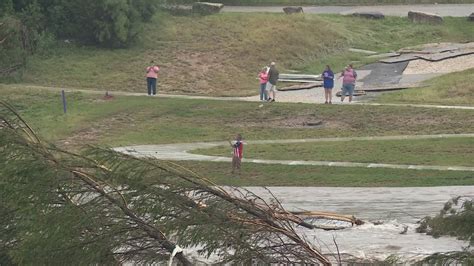
The Guadalupe River overflowed after a torrential downpour of over 12 inches in just two days. In Kerrville, water levels surged past evacuation thresholds within hours, prompting Governor Greg Abbott to declare an emergency and request federal disaster assistance. Over 116 fatalities were confirmed in Hunt County alone, with another 100 people still unaccounted for.
With roads and bridges washed out and some communication towers down, the Federal Aviation Administration (FAA) and Texas National Guard greenlit special clearance for disaster relief flights from multiple civilian and charter operators.
As FEMA opened DisasterAssistance.gov for flood victims to file claims and TDEM activated emergency aid centers, the airline industry became the most visible and coordinated private sector player in the early days of response.
Community-Agency Coordination Anchors Relief Structure
The Community Foundation of the Texas Hill Country took the lead in coordinating inter-agency aid. With regional relief points in Kerrville, Comfort, and Ingram, the foundation managed supply allocations, medical assistance points, and overflow shelters.
Salvation Army, Kerr County Emergency Management, and the Texas State Disaster Preparedness Committee partnered with airline volunteer networks to assign personnel to key relief tasks. Atlas Air, Southwest, and American staff assisted in inventory management, ration control, and logistical dispatch at affected locations.
On July 31, the State Committee will convene in Kerrville to decide on funding allocations for flood-mitigation infrastructure, including automated warning systems and new radio-based alert devices, aimed at modernizing emergency communication.
Challenges Persist as Hill Country Begins to Rebuild
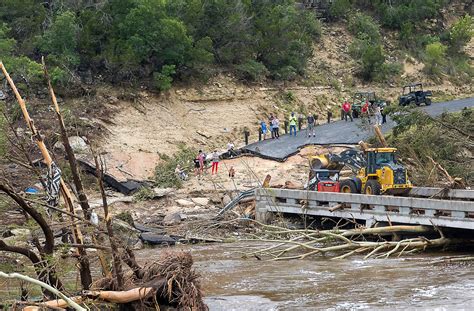
Despite airline heroics, the situation remains precarious. Over 2,000 volunteers, including swift-water rescue teams from Indiana, Oklahoma, Wisconsin, and Mexico, continue to operate in the field. Shelters are still at capacity, and FEMA’s public infrastructure funding is only beginning to flow.
Local authorities have called for sustained air cargo support as road reconstruction may take months. Air travel remains the most efficient lifeline for some remote and now-isolated communities.
Another long-term concern: outdated warning infrastructure. Many local river authorities had retired analog systems from the 1960s and lacked modern replacements. No redundant communication towers were in place for rural outreach. The state now plans to deploy computer-aided flood alert networks across Hill Country.
Airlines Cement New Role in Emergency Infrastructure
From the skies over Comfort and Hunt to landing strips near Ingram, American air carriers have redefined their roles. No longer just transit providers, they are now emergency infrastructure partners, supply chain anchors, and funding conduits.
Southwest’s hands-on approach, United’s loyalty-mile utility, American’s deployment scale, and Atlas’s employee philanthropy demonstrate a clear truth: airlines now dominate not just the skies, but disaster response frameworks.
As the region slowly recovers, the aviation sector’s sustained involvement may serve as a blueprint for future private-sector disaster integration. Whether it’s rerouting aircraft, repurposing loyalty programs, or matching employee donations, U.S. airlines have proven that they are not just flying over disaster zones—they are flying directly into them to help rebuild.