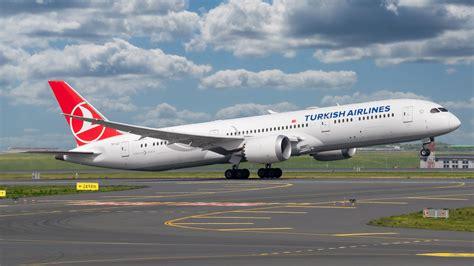
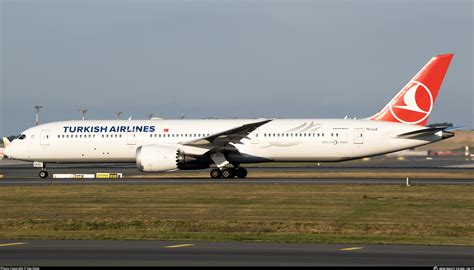
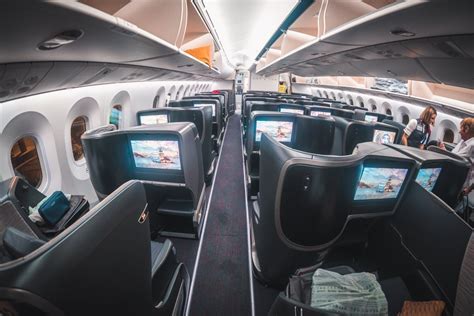
On May 23, Turkish Airlines Flight TK184, en route from Istanbul Airport (IST) to Mexico City International Airport (MEX), turned into the setting of a tense and life-altering medical emergency. As the Boeing 787-9 Dreamliner cruised high above the Atlantic Ocean, a 35-year-old passenger, Maricela Hernandez Quezada, suddenly collapsed in what was later identified as a stroke. The swift reaction of a doctor onboard and a critical emergency diversion to Houston would ultimately save her life.
The Crisis in the Sky: A Medical Emergency Mid-Flight
The incident unfolded in the early hours of May 23. Turkish Airlines TK184 had taken off from IST at 02:20 UTC+03, with a scheduled arrival at MEX set for 07:57 CDT. Somewhere over the Atlantic Ocean, Maricela began to experience frightening symptoms. She later recalled, “I felt my tongue come out, and I couldn’t speak.” These early warning signs are often overlooked, but one onboard passenger — a medical doctor — recognized them immediately as indicators of a cerebrovascular event.
Without wasting time, the doctor began administering oxygen and informed the flight crew that an emergency diversion was required. The cabin crew coordinated quickly with air traffic controllers, and the decision was made to divert the aircraft to Houston George Bush Intercontinental Airport (IAH).
A Boeing 787-9 Lands in Houston Amid Crisis
The Dreamliner, a long-haul aircraft renowned for its passenger comfort and fuel efficiency, landed safely at 06:40 CDT, completing a 12-hour and 20-minute journey cut short by necessity. FlightAware tracking data confirmed the detour, marking a clear shift in trajectory toward the United States’ southern hub.
Upon landing, emergency responders were already on standby. Maricela was immediately transported to Memorial Hermann Northeast Hospital, where her condition was stabilized. Given the critical nature of her stroke, she was later airlifted to Memorial Hermann in The Woodlands, a specialized facility equipped for neuro-interventional surgery. There, a skilled surgeon performed an emergency procedure to remove a blood clot from her brain, a potentially fatal blockage that had put her life at risk just hours earlier.
Passenger Health at 35,000 Feet: Stroke Risk Factors in Air Travel
Medical professionals have long warned that long-haul air travel can pose health risks, particularly for conditions like deep vein thrombosis (DVT) and stroke. Maricela’s case adds urgency to this issue. By her own account, she did not drink, smoke, or suffer from known medical conditions — and yet she became a stroke victim in the skies.
Prolonged immobility, especially on flights exceeding 10 hours, increases the likelihood of blood pooling in the legs, potentially resulting in clots that may travel to the brain. The low cabin humidity, pressure changes, and dehydration only compound this risk.
Doctors strongly recommend that passengers:
- Hydrate regularly throughout the flight
- Stand and walk every 2–3 hours, if possible
- Stretch the legs and do simple foot exercises when seated

Maricela revealed that she had not moved at all during the entire journey — a mistake many fliers make unknowingly. That sedentary period likely contributed to the event. Fortunately, a combination of early recognition, timely diversion, and surgical expertise changed the trajectory of what could have been a tragedy.
Swift Action: The Unnamed Doctor’s Heroic Intervention
While the name of the doctor who assisted Maricela has not yet been released, their contribution was pivotal. Recognizing a stroke in real-time, particularly in a pressurized cabin environment, is not a simple task. Administering oxygen and communicating the medical urgency to the crew in a timely and composed manner demonstrates high-level training and calm under pressure.
Flight crews receive basic first aid and CPR training, but they rely on medical professionals among the passengers during emergencies. In this case, the anonymous doctor bridged the gap between in-flight care and ground-based emergency response.
Understanding Strokes: The F.A.S.T. Acronym That Saves Lives
Experts often urge the public to remember the F.A.S.T. mnemonic when evaluating a potential stroke:
- F – Face Drooping: Uneven facial expression, one side drooping
- A – Arm Weakness: Inability to raise one or both arms
- S – Speech Difficulty: Slurred or incoherent speech
- T – Time to Call Emergency Services: Immediate response is crucial
In-flight, time becomes even more precious. The availability of onboard medical kits, oxygen, and the ability to reroute flights rapidly are all that stand between life and death in these circumstances.
Emergency Treatment and Long-Term Outlook
After the clot was removed, Maricela’s condition stabilized. According to hospital staff, she is expected to make a full recovery with no lasting neurological damage — a remarkable outcome, especially given the complexity of delivering timely treatment during a flight.
The first 24 hours following a stroke are considered critical. Treatments during this window may include:
- Thrombolytics (clot-busting drugs)
- Surgical intervention to remove blockages
- Blood pressure stabilization
- Anticoagulants and statins to prevent further events
Only advanced medical centers like Memorial Hermann offer 24/7 neuro-interventional teams, making Houston’s selection as a diversion point a fortunate one. The airport’s proximity to top-tier hospitals played a direct role in the positive outcome.
Broader Implications: Why Airline Medical Protocols Matter
Airlines around the world have come under increased scrutiny for their handling of medical emergencies. Turkish Airlines is no exception, but in this case, both the airline and the ground services at George Bush Intercontinental Airport deserve recognition for a well-coordinated response.
According to international aviation guidelines, all aircraft must carry basic medical kits, and longer flights — especially those with high passenger volumes — may be equipped with Automated External Defibrillators (AEDs), oxygen tanks, and emergency medication. However, these tools are only effective when paired with informed human action. The flight crew’s trust in the passenger doctor and the rapid communication with Houston’s air traffic control illustrate exemplary crisis management.
Passenger Awareness: A Shared Responsibility
Maricela’s story is a powerful reminder for passengers, airlines, and health professionals alike. She never expected to suffer a stroke at 35, thousands of feet above the ground, on what should have been an uneventful journey to Mexico. Her case emphasizes:
- The importance of passenger awareness around stroke symptoms
- The need for basic in-flight health practices, such as hydration and movement
- The critical role of onboard medical professionals and well-trained crew
In a world increasingly reliant on long-distance air travel, these lessons are more vital than ever.
A Grateful Ending, and a Future Reimagined
Maricela now faces a recovery journey, but with her neurological health intact and her life saved. She has expressed both shock and gratitude — shock at the unexpected nature of the incident, and gratitude for the swift actions that ensured she would see another day.
Houston, often celebrated for its space program and energy sector, became the unexpected epicenter of an aviation medical miracle. The city’s hospitals, air controllers, and the unknown doctor on TK184 together demonstrated what is possible when preparation, expertise, and compassion intersect in the skies.