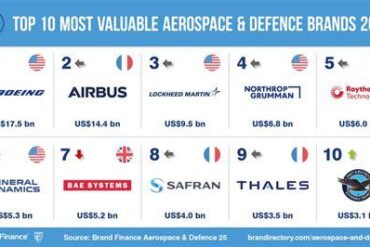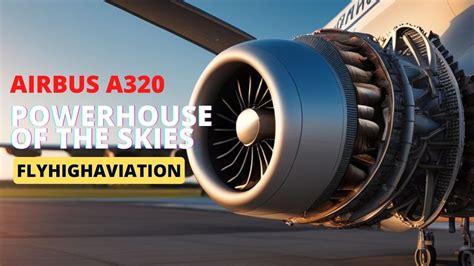
Airbus SE stands today as one of the most influential aerospace corporations in the world, a symbol of European industrial cooperation and technological innovation. Legally headquartered in Leiden, Netherlands, and with its main operations hub in Blagnac, France, Airbus has become synonymous with cutting-edge aircraft design, robust international partnerships, and strategic industrial footprint.
Founded through the merger of Aérospatiale-Matra (France), DASA (Germany), and CASA (Spain) under the name EADS in 2000, the company formally rebranded as Airbus SE by 2015. The brand evolution reflects its increasing dominance in the aerospace sector, not only in terms of aircraft output but also in strategic military ventures, space technology, and helicopter innovation.
From Consortium to Industrial Titan: Airbus’ Strategic History
The origins of Airbus trace back to 1970, when several European aerospace firms formed the consortium Airbus Industrie GIE to challenge American dominance in civil aviation. The first major breakthrough came with the A300, the world’s first twin-engine wide-body aircraft, introduced in 1972.
Over the next decades, Airbus grew aggressively, eventually absorbing the full GIE structure in 2001. The transformation into a single integrated company—culminating with EADS acquiring full control by 2006—enabled streamlined operations, centralized leadership, and faster innovation cycles. By 2017, Airbus SE had completed its executive realignment, strengthening its brand identity and structural agility.
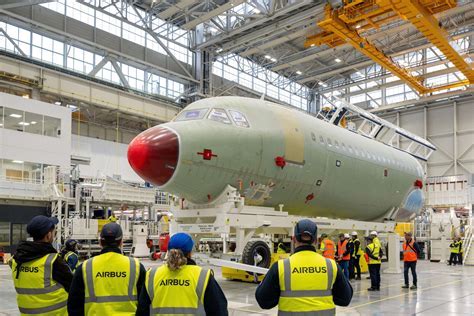
Engineering Marvels: The Airbus Aircraft Portfolio
Airbus is best known for its high-performance civil aircraft, which span from narrow-body to ultra-long-range wide-bodies:
- A220: Originally the Bombardier CSeries, this jet is optimized for regional efficiency and lower fuel burn.
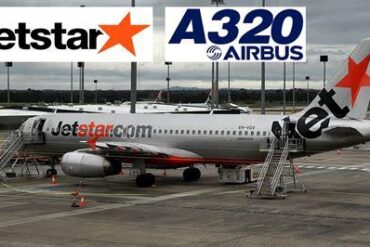
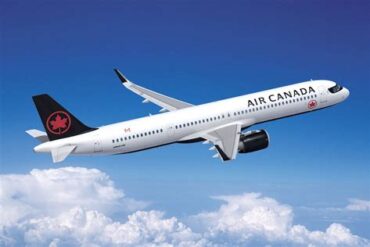
- A320 Family: Including A318, A319, A320, and A321—famous for pioneering fly-by-wire controls in commercial aviation.
- A330/A340: Long-haul workhorses offering dual and quad-engine options.
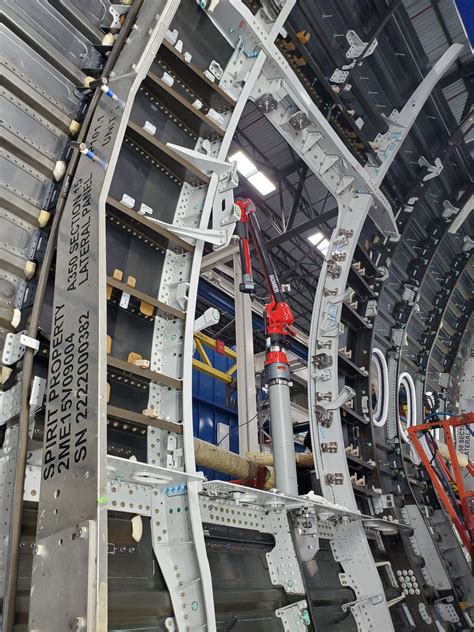
- A350 XWB: A state-of-the-art carbon-fiber wide-body twinjet with next-gen aerodynamics.
- A380: The largest passenger aircraft in the world, also known as the superjumbo.
In 2024, Airbus delivered 766 aircraft out of 878 orders, showcasing a 4% year-on-year growth, reinforcing its robust global market position.
Luxury and Utility: Corporate and Military Innovations
Beyond commercial aircraft, Airbus leverages its engineering prowess to serve elite and defense markets:
Corporate Jets
The Airbus Corporate Jets (ACJ) division tailors its designs for private clients and heads of state. Based on standard A319–A350 airframes, these jets are customized for luxury, technology, and range. By 2008, over 121 ACJs were in operation, offering long-haul comfort in a VIP package.
Defense and Space
As a vital pillar of its operations, Airbus Defence and Space produces multi-role aerial tankers, heavy transports, and strategic platforms:
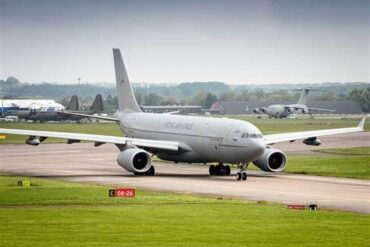
- A310 MRTT and A330 MRTT: Advanced multi-role tanker transports.
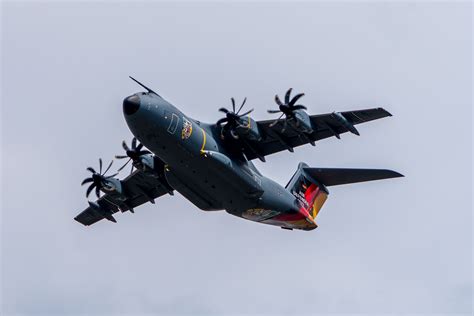
- A400M Atlas: Tactical and strategic airlifter for military logistics.
- C295: A rugged twin-turboprop for tactical missions.
- Eurofighter Typhoon, Panavia Tornado, MBDA missile systems, and a stake in Dassault Aviation—reinforcing European defense autonomy.
Rotorcraft Mastery: Airbus Helicopters
Through its Airbus Helicopters division (formerly Eurocopter), Airbus commands the global rotorcraft market. With turbine-powered models like the H125, H145, H160, and H225, Airbus serves both civilian and paramilitary operations.
In defense, the Tiger attack helicopter and NHIndustries NH90 (in which Airbus holds a majority stake) serve frontline missions across Europe. This vertical integration ensures Airbus maintains a 360-degree aerospace presence—from tarmac to stratosphere.
Global Manufacturing Footprint: Airbus’ Industrial Ecosystem
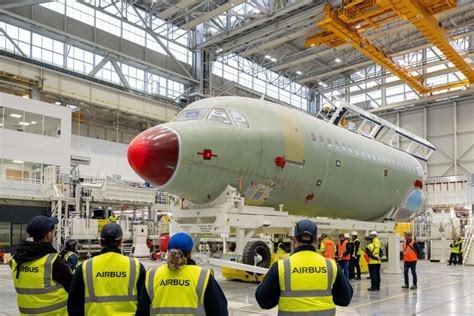
Airbus operates an intricate, transcontinental network of final assembly lines and supplier hubs. Major assembly facilities include:
- Toulouse, France (A320, A330, A350)
- Hamburg, Germany (A320 family)
- Seville, Spain (A400M)
- Tianjin, China (A320 family)
- Mobile, Alabama, USA (A220, A320)
- Mirabel, Canada (A220)
Complementing this is a composite manufacturing plant in Harbin, China, where Airbus holds a 20% stake. It supports the A320 and A350 programs, reflecting the company’s strategic sourcing diversification.
Organizational Structure and Key Ventures
Airbus’ business is segmented into three primary divisions:
- Commercial Aircraft (≈72% revenue)
- Defence and Space (≈17%)
- Helicopters (≈11%)
Through a web of subsidiaries and joint ventures, Airbus maintains control and collaborative innovation:
- ATR (50%): Turboprop aircraft manufacturer
- ArianeGroup (50%): European space launch vehicles
- Airbus Canada (75%): Focused on A220 program
These strategic alliances enhance its global responsiveness while maintaining European industrial leadership.
Financial Powerhouse: Airbus by the Numbers (2024)
Airbus’ economic vitality remains strong:
- Revenue: €69.2 billion
- Operating Income: €5.3 billion
- Net Income: €4.2 billion
- Total Assets: €129.2 billion
- Equity: €19.7 billion
- Employees: 156,921 globally
This robust financial profile provides resilience during global downturns and funds long-term R&D ambitions.
Commitment to Sustainability and Future Propulsion
Airbus takes a leadership stance in the green aviation revolution. Certified under ISO 14001 since 2007, the company actively pursues technologies to decarbonize aviation:
- Sustainable Aviation Fuel (SAF) partnerships with Honeywell and JetBlue.
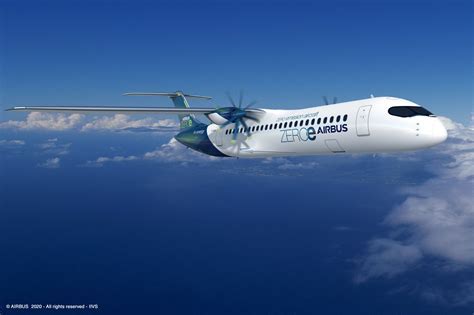
- ZEROe: A fleet of hydrogen-powered aircraft concepts targeting commercial service by 2035.
- Major SAF agreement signed at Farnborough Airshow 2024, solidifying a roadmap for cleaner propulsion.
These efforts not only align with regulatory frameworks but position Airbus as a visionary in aerospace sustainability.
Controversies and Legal Challenges
Despite its engineering and financial success, Airbus has faced significant legal and ethical scrutiny:
- WTO disputes over government subsidies, pitting Airbus against Boeing.
- Insider trading allegations during the A380 production delays.
- Multinational corruption investigations led by the UK Serious Fraud Office, France’s PNF, and the U.S. Department of Justice, culminating in €3.6 billion in fines.
- 2024 backlash over its expanding defense investment footprint in China, raising geopolitical concerns within EU and NATO circles.
These issues highlight the complex balancing act between commercial ambition, state influence, and global diplomacy.
Conclusion: Airbus and the Future of Global Aerospace
As Airbus navigates the next era of aviation, its dual commitment to technological leadership and sustainability will define its trajectory. Whether through the expansion of AI-enabled manufacturing, breakthroughs in hydrogen propulsion, or stronger cyber-resilient defense systems, Airbus is poised to lead across multiple aerospace frontiers.
It remains not only a manufacturer of aircraft but a strategic actor shaping global aviation, defense policy, and environmental innovation. In an industry increasingly defined by climate targets, geopolitical realignment, and digital disruption, Airbus’ integrated approach ensures it will continue soaring well into the 21st century.