The aviation industry continues to expand at a remarkable pace, and with that growth comes a soaring demand for skilled professionals in aviation administration. We explore this field with the precision of seasoned analysts, the clarity of experienced editors, and the strategic detail required to produce the most competitive content online. Aviation administration roles form the backbone of safe, efficient, and compliant air operations—spanning everything from flight scheduling and safety oversight to aircraft records management, dispatch operations, customer support, and program coordination for leading aviation companies.
Aviation administration is not simply a behind-the-scenes support function; it is the operational command center that ensures every flight, every crew shift, every compliance document, and every change request flows seamlessly. As airlines, private aviation firms, airport authorities, and aerospace companies confront increasingly complex regulatory environments and growing passenger expectations, these roles have become mission-critical for daily and long-term aviation efficiency.

Understanding Aviation Administration Careers in Today’s Air Transport Ecosystem
Aviation administration encompasses a wide spectrum of responsibilities designed to keep various segments of the aviation industry functioning without disruption. These careers integrate knowledge of flight operations, federal regulations, technical systems, project management, and customer communication. They sit at the crossroads of operational precision and strategic problem-solving.
Modern aviation employers—from global brands like Garmin International, NIKE Corporate Aviation, and Solairus Aviation, to major airports such as DFW and Oakland—seek professionals capable of supporting aircraft performance operations, planning airport infrastructure, coordinating flight schedules, managing records, and facilitating cross-department communication.
Key Responsibilities that Define Aviation Administration Roles
Aviation administration jobs vary widely, but they share a single theme: precise execution rooted in regulatory compliance and operational coordination. Aviation Program Specialists, Aviation Planners, Operations Coordinators, and Aircraft Records Supervisors each contribute essential oversight functions that allow pilots, dispatchers, and safety teams to work efficiently.
Professionals may oversee tasks such as evaluating aircraft performance and weight-and-balance configurations, supporting load planning systems, managing customer inquiries on complex aviation software products, scheduling corporate aircraft movements, and supporting large airport planning projects that shape infrastructure for decades to come.
The daily work blends technical expertise and administrative fluency, requiring an understanding of aviation regulations under 14 CFR Part 121 and Part 135, often accompanied by real-world experience from airline operations, charter companies, or flight training environments. Precision, analytical ability, and communication skills define success across every administrative aviation role.
Top Aviation Administration Jobs and Their Expanding Roles
Aviation Program Specialist
Positions like Garmin’s Aviation Program Specialist 1 represent a technologically advanced administrative role that marries customer support with technical product knowledge. These specialists handle inquiries involving aircraft performance, weight-and-balance system questions, configuration changes, and data publication. The responsibilities reach deeper than typical office roles—these professionals interact directly with the systems powering modern aircraft operations.
They often help identify root causes of operational discrepancies, assist with testing and deploying aviation performance products, organize recurring client meetings, and build communication bridges across engineering, operations, and customer success teams. In aviation’s fast-paced environment, their efforts safeguard safety margins and optimize performance outcomes.
Aviation Operations Coordinator and Flight Scheduler
Corporate aviation departments—such as NIKE’s Aviation Flight Scheduler team—rely on administrative specialists to synchronize private corporate fleets with precision. These positions involve managing complex schedules, coordinating crew assignments, aligning maintenance requirements, and ensuring compliance with operational limitations. Administrative professionals in these roles support executive travel, sports team logistics, or high-profile clientele, requiring confidentiality, accuracy, and superior communication skills.

Aviation Planners and Airport Development Specialists
Airport infrastructure is a living organism, constantly expanding to accommodate new aircraft, technologies, and traffic patterns. Aviation planners at firms like R.M. Chin & Associates and HNTB Corporation develop long-term strategies for airport growth, environmental impact studies, terminal expansions, runway modifications, and future-proofing airfield operations. These administrative planning roles blend policy interpretation, technical research, project coordination, and community communication to shape major airport upgrade programs.
Aircraft Records Supervisor
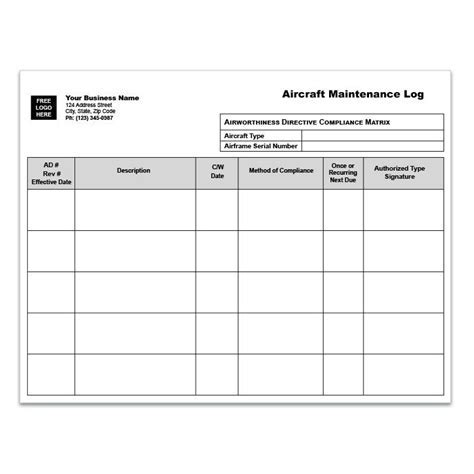
Aviation maintenance cannot function without precise recordkeeping. Positions like Aircraft Records Supervisor at regional airlines take responsibility for tracking all maintenance documents, logbooks, compliance records, and regulatory submissions. Every entry ensures aircraft meet Federal Aviation Administration (FAA) requirements, and even minor discrepancies can ground an entire fleet division. This administrative role safeguards airworthiness and compliance for airline operations.
Skill Sets That Employers Prioritize in Aviation Administration
Employers consistently seek candidates who thrive in structured, detail-driven environments. Aviation administrative specialists must master both technical systems and interpersonal communication. In particular, companies look for individuals who understand aviation regulations, can troubleshoot operational issues, and can communicate clearly across departments and with customers.
A strong academic foundation—often in aerospace, aviation management, business administration, logistics, or related disciplines—paired with experience in dispatching, flight operations, or aircraft maintenance support boosts employability significantly. Skills in debugging aviation software tools, conducting root-cause analysis, and supporting project management initiatives further elevate a candidate’s profile.
Many positions list experience with FAA regulations, especially 14 CFR Part 121 and Part 135, as a key advantage. Additional qualifications such as a Private Pilot License or background in ATC, dispatching, or charter operations help candidates stand out in competitive hiring environments.
Where Aviation Administration Professionals Work
Demand spans nearly every corner of the aviation sector:
- Airlines rely on administrative teams to manage records, coordinate operations, and support compliance efforts.
- Corporate flight departments require skilled schedulers and operations managers to manage private fleets.
- Airport authorities employ aviation planners, program managers, and administrative coordinators to execute major infrastructure projects.
- Aviation technology companies like Garmin employ specialists to support software products, troubleshoot performance tools, and guide customers.
- Government and military aviation units hire aviation enablers, logistics administrators, and operations technicians supporting defense operations.
Why Aviation Administration Is a High-Growth Career Path
Aviation administration is growing rapidly because air traffic continues to expand, digital aviation platforms require technical support, and regulatory compliance grows more complex each year. Airlines, airports, private aviation companies, and aerospace manufacturers depend heavily on administrative teams to interpret regulations, maintain accurate records, streamline communications, and coordinate multi-department operations.
Automation has impacted many industries, but aviation administration remains deeply human-driven due to the complexity of flight operations and regulatory requirements. The industry continues to invest in administrative professionals because accurate documentation, coordinated communication, and structured planning are fundamental pillars of aviation safety.
Advancing in Aviation Administration Careers
Career progression in aviation administration is often faster than in other office-based roles due to the industry’s need for leadership in operations, planning, and compliance. Entry-level positions can lead to opportunities in operations management, project leadership, safety management systems, regulatory affairs, and aviation program direction.
Professionals who enter the field gain exposure to aircraft performance analysis, FAA regulation compliance, complex scheduling systems, and cross-department project collaboration. This breadth of experience equips administrative specialists with the operational intelligence necessary to move toward high-level decision-making roles within aviation companies.
Many professionals enhance their advancement prospects by obtaining further FAA certifications, taking project management training, or earning credentials in safety management systems (SMS), airport planning, logistics, or aviation analytics.
Conclusion: The Essential Future of Aviation Administration
Aviation administration remains one of the most important and opportunity-rich sectors in the global aviation landscape. As airlines expand fleets, airports invest in modernization, private aviation grows, and regulatory oversight intensifies, administrative professionals will continue to play a vital part in shaping the future of air travel. Every smooth operation, every compliant aircraft, and every well-coordinated flight relies on the administrative expertise working behind the scenes.
Professionals entering this field join a dynamic, high-responsibility environment where precision meets strategy and where every decision contributes to aviation safety and efficiency. Opportunities span corporate aviation, major airlines, airport authorities, aerospace manufacturers, and advanced aviation technology firms—creating a diverse and forward-looking career path for those ready to support the world’s most complex transportation ecosystem.
Aviation administration roles are more than office jobs—they are operational anchors in a sky-high industry that never stops moving, innovating, and expanding.