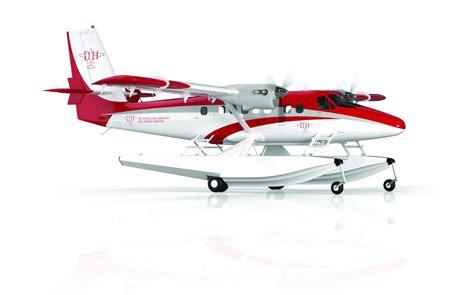
Ethiopian Airlines, recognized as Africa’s leading airline, has taken a significant leap forward in enhancing its domestic aviation operations with the acquisition of two brand-new Twin Otter Classic 300-G aircraft. This strategic investment, formalized through a purchase agreement with De Havilland Aircraft of Canada Limited, marks a pivotal development in regional air connectivity across Ethiopia and East Africa, promising to transform access to remote and underserved areas.
This latest iteration of the iconic Twin Otter family is not just an aircraft; it represents a commitment to improved performance and cutting-edge technology. The Twin Otter Classic 300-G features advanced avionics and unmatched reliability, making it ideally suited for Ethiopia’s diverse and often rugged terrain. As Ethiopian Airlines continues to expand its mission of connecting every corner of its vast homeland, the introduction of these aircraft is set to significantly enhance travel options for both citizens and tourists alike.
The decision to integrate the 300-G model into Ethiopian Airlines’ fleet comes in response to an increasing demand for accessible air travel within the country. In many regions, particularly in remote communities where economic and social mobility hinges on reliable transportation, the Twin Otter Classic 300-G is poised to be a lifeline. With its ability to operate from airstrips that may be unsuitable for larger aircraft, this aircraft promises to bridge the connectivity gap in a nation characterized by its diverse geography and varying levels of infrastructure.

Mr. Mesfin Tasew, CEO of Ethiopian Airlines Group, emphasized the importance of this acquisition: “We are pleased to bring back the enhanced version of the DeHavilland Canada Twin Otter DHC-6-300G aircraft into our fleet. These versatile aircraft are designed to support tourism and offer a wide array of services, including air ambulance, airport calibration, and charter operations. Renowned for their proven reliability, the DHC-6-300G aircraft are capable of landing on airstrips unsuitable for larger aircraft models.”
A Legacy Carrier Expanding with Modern Tools
Headquartered in Addis Ababa, Ethiopian Airlines has long been at the forefront of African aviation, consistently outperforming competitors with its modern fleet and extensive route network. The domestic division plays a crucial role in linking the capital city with provincial towns, economic zones, tourist hotspots, and rural areas that are often overlooked. Currently, the airline operates flights across 22 domestic routes using Dash 8-400 aircraft, which are equipped with dual-class cabins. However, many of these routes traverse challenging landscapes, including high-altitude regions and remote airfields with limited infrastructure such as short or unpaved runways.
The introduction of the Twin Otter Classic 300-G signifies a shift towards a more resilient and versatile operational strategy. Known for its Short Take-Off and Landing (STOL) capabilities, the Twin Otter is built to thrive in demanding environments. By adding this aircraft to its fleet, Ethiopian Airlines can enhance its operational efficiency and respond more effectively to the unique challenges presented by Ethiopia’s geographical diversity.
Twin Otter Classic 300-G: High-Performance and Accessibility
The Twin Otter Classic 300-G, developed by De Havilland Canada, represents a modernized variant tailored to meet the demands of contemporary regional carriers. Its design allows it to operate effectively in extreme environments, ranging from mountainous airstrips to riverine islands, all while requiring minimal ground infrastructure. The aircraft’s twin turboprop engines, robust fixed landing gear, and flexible cabin layout position it as an ideal solution for the multifaceted needs of remote air travel.
For Ethiopian Airlines, the 300-G is more than just an addition to the fleet; it is a key enabler of greater accessibility for communities that have historically been underserved by air transport. By diversifying its operations to include charter services, humanitarian flights, and tourism-oriented air access, Ethiopian Airlines is setting the stage for a new era of connectivity. Ethiopia’s varied topography, from the breathtaking Simien Mountains to the expansive Great Rift Valley, poses challenges for road travel, particularly in rural areas. The introduction of the Twin Otter will facilitate quicker, safer, and more convenient access to regions that would otherwise take hours or days to reach by road.
This increased accessibility is expected to have a profound impact on healthcare, education, trade, and tourism, providing essential links to marginalized communities.
Supporting Ethiopia’s Aviation Infrastructure Expansion
As Ethiopian Airlines invests in modernizing its fleet, it is simultaneously pursuing infrastructure development initiatives throughout the country. The airline is in the process of constructing new aviation facilities designed to accommodate future domestic service expansions. These projects include upgrades to runways, the development of regional airport terminals, maintenance hubs, and training centers. Each of these elements aims to improve operational efficiency and scalability.
The addition of the Twin Otter Classic 300-G will support these infrastructure initiatives by providing a versatile solution capable of operating effectively in remote areas with limited facilities. This ensures that Ethiopian Airlines can deliver dependable, high-quality service for both passengers and cargo transport. The long-term vision extends beyond merely connecting points on a map; it is about integrating communities into the national economy and creating a seamless domestic travel experience that rivals global standards.
A Strategic Alignment with National Development Goals
The acquisition of these aircraft aligns seamlessly with Ethiopia’s broader development strategy, which emphasizes connectivity, inclusive growth, and decentralized development. By enhancing mobility for people and goods within Ethiopia and its neighboring regions, Ethiopian Airlines plays a vital role in stimulating local economies and supporting rural development. The domestic network serves as a catalyst for growth, bringing investment opportunities to secondary cities while improving logistical capabilities for small businesses and farmers.
With the introduction of the Twin Otter Classic 300-G fleet, Ethiopian Airlines will deepen these impacts, making air transport more accessible and affordable for underserved regions. This aligns with the airline’s broader mission to foster economic growth and social integration across the nation.
Reinforcing Africa’s Aviation Leadership
Ethiopian Airlines’ progressive strategy reflects its ambition to maintain its status as Africa’s leading airline. The carrier has consistently been at the forefront of innovation, being the first to introduce next-generation aircraft such as the Boeing 787 Dreamliner and Airbus A350 to the continent. The acquisition of the Twin Otter Classic 300-G further solidifies this commitment to advancing regional aviation.
In the coming years, Ethiopian Airlines is poised to continue expanding both its international and domestic fleets, with a strong emphasis on sustainability, digital transformation, and capacity building. The addition of the 300-G aircraft also enhances Ethiopian’s ability to collaborate with governmental and humanitarian stakeholders, providing essential emergency services and disaster relief across the Horn of Africa.
Conclusion: A Bold Investment in Ethiopia’s Domestic Future
The introduction of the Twin Otter Classic 300-G into Ethiopian Airlines’ fleet signifies a bold investment in the future of domestic aviation in Ethiopia. As the nation progresses in developing its infrastructure and unlocking the potential of its remote regions, these new aircraft will serve as critical tools in ensuring that no community is left behind. Through the embrace of innovation tailored to local challenges, Ethiopian Airlines is not only strengthening its operational framework but also contributing to the overarching mission of national cohesion and regional development. With the skies open and new destinations now within reach, the future of Ethiopian domestic aviation appears brighter and more connected than ever.