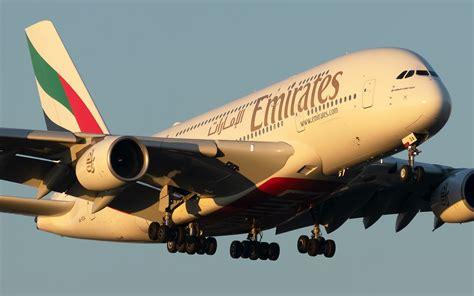
The Airbus A380 remains one of the most recognizable aircraft in aviation history. Despite the end of production in 2021, the double-deck jet continues to attract passengers with its spacious cabins, quiet flight experience, and unique features that no other commercial aircraft can fully replicate. For most airlines, however, the A380 has become a difficult aircraft to justify financially. For Emirates, the world’s largest A380 operator, the aircraft is not simply a legacy asset — it is still a central part of its global network strategy.
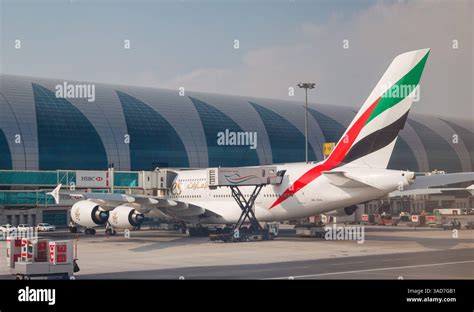
While other carriers have retired their superjumbos or reduced their fleets, Emirates is preparing for a much longer relationship with the aircraft. The airline has indicated that it intends to operate some A380s well into the late 2030s and potentially until 2041. Achieving that goal will require extensive maintenance planning, major cabin upgrades, engine support, and a strategy that many airlines rarely use: cannibalizing older aircraft to keep younger aircraft flying.
This approach may sound unusual, but it reflects the reality of operating an aircraft that is no longer manufactured. As the global A380 fleet ages, replacement parts become more difficult to source, maintenance costs increase, and airlines must make careful decisions about which aircraft deserve additional investment. For Emirates, retiring some aircraft may actually be the key to preserving the rest of the fleet.
Why the Airbus A380 Still Matters to Emirates
The A380 was originally designed for a different era of aviation. Airbus expected airlines to rely heavily on large hub airports, moving huge numbers of passengers between major international cities. However, the industry shifted toward smaller, more efficient twin-engine aircraft such as the Airbus A350 and Boeing 787 Dreamliner. These aircraft allowed airlines to open more direct routes without depending on massive passenger volumes.
For many airlines, this change made the A380 difficult to operate profitably. Filling more than 500 seats on every flight requires strong demand, and many routes simply cannot support such capacity throughout the year. The result was that several major operators eventually retired their fleets after only a decade or so of service.
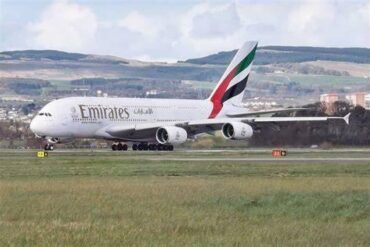
Emirates was different because its business model perfectly matched the A380’s strengths. The airline built its global network around Dubai International Airport (DXB), connecting passengers between Europe, Asia, Africa, Australia, and North America. On high-demand routes, the A380 allows Emirates to transport more passengers without increasing flight frequencies, which is particularly valuable at airports where additional slots are limited.
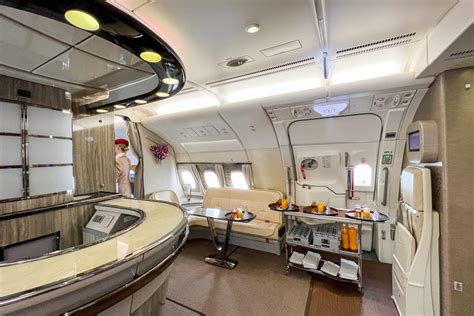
The aircraft also supports Emirates’ premium brand image. Features such as onboard lounges, spacious first-class suites, and a large premium cabin help differentiate the airline from competitors. For Emirates, the A380 is not just a transportation tool; it is a marketing symbol that reinforces its position as a global aviation leader.
Routes such as Dubai–London Heathrow demonstrate why Emirates continues to value the aircraft. At some of the world’s busiest airports, increasing flight frequency can be extremely difficult. Operating a larger aircraft provides additional capacity while maximizing limited airport access.
This unique combination of network demand, airport constraints, and brand value explains why Emirates continues investing heavily in a type that many airlines consider outdated.
The Airbus A380 Engine Problem Is Becoming More Important
The future of Emirates’ A380 fleet depends heavily on one factor that receives less attention from passengers: the engines.
When Airbus developed the A380, airlines could choose between two powerplants: the Engine Alliance GP7200 and the Rolls-Royce Trent 900. Both engines were designed specifically for the massive aircraft, but their long-term fortunes have developed differently.
Several airlines selected the Trent 900, including Singapore Airlines, British Airways, Lufthansa, and Qantas. Meanwhile, Emirates chose the GP7200 for the majority of its fleet. Because Emirates became by far the largest A380 operator, the GP7200 became the dominant engine type among active A380 aircraft.
On paper, the GP7200 has delivered strong performance. Engine Alliance has previously highlighted advantages including lower fuel consumption compared with the Trent 900 and longer periods between major maintenance events. For an aircraft with four engines, improvements in reliability and efficiency are extremely valuable.
However, Emirates’ success with the A380 also creates a challenge. The airline operates its fleet much more intensively than many other A380 operators ever did. While other airlines flew smaller fleets with lower utilization, Emirates used hundreds of daily flights to support its global network.
That means the GP7200 engines powering Emirates’ aircraft have accumulated enormous numbers of flight hours and cycles. A strong engine can still reach maintenance limits faster when it is constantly working.
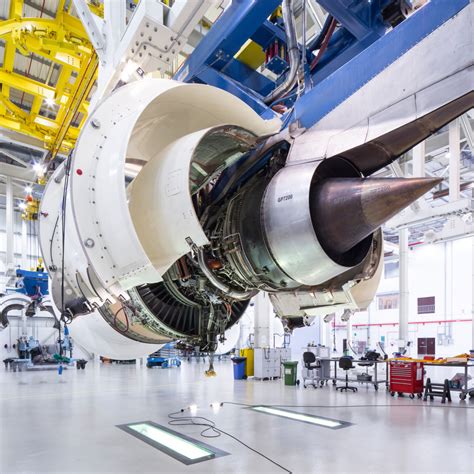
The issue facing Emirates is therefore not whether the GP7200 is a good engine. The question is whether enough engines, components, and maintenance capacity will remain available as the aircraft enters its fourth decade of operation.
Why Some Emirates Airbus A380s May Become Parts Donors
As the A380 fleet becomes older, Emirates will likely treat individual aircraft differently. Some airframes will receive expensive maintenance checks, cabin upgrades, and continued operation. Others may become more valuable as sources of spare parts.
This process is known as aircraft cannibalization. It involves removing usable components from one aircraft and installing them on another aircraft that remains in active service. While the term sounds harsh, it is a common strategy in aviation when maintaining older fleets.
For an aircraft like the A380, this approach makes practical sense. Since production ended, airlines cannot simply order new replacement aircraft when maintenance costs rise. They must rely on existing aircraft, aftermarket suppliers, and available components.
Emirates has a significant advantage because of the size of its fleet. With more than 100 A380s originally delivered, the airline has access to a much larger pool of aircraft compared with other operators. This allows it to retire selected aircraft while maintaining the operational strength of the remaining fleet.
A smaller airline operating only a handful of A380s does not have the same flexibility. Losing one aircraft can represent a major reduction in capacity. For Emirates, retiring one older aircraft could actually protect dozens of others.
Components that may be valuable include engines, landing gear, flight control systems, cabin equipment, avionics, and structural parts. Instead of allowing an aging aircraft to disappear completely, Emirates can transform it into a long-term support resource.
Emirates’ A380 Future Depends on Smart Fleet Management
Keeping the A380 flying until 2041 will require more than simply maintaining existing aircraft. Emirates must balance financial decisions, passenger demand, maintenance availability, and technological changes across the aviation industry.
The airline has already invested billions into its A380 fleet, including major cabin refurbishment programs. These upgrades allow older aircraft to remain competitive with newer jets by improving passenger experience rather than replacing the aircraft entirely.
The challenge is that the A380’s biggest strength — its size — is also its biggest weakness. Four engines, enormous structures, and complex systems make the aircraft expensive to maintain. Every additional year of operation requires careful planning.
However, Emirates operates in a market where the A380 still has a purpose. High-demand international routes continue to benefit from the aircraft’s capacity, especially between major global hubs. The airline’s Dubai-centered network creates conditions where the superjumbo remains economically valuable.
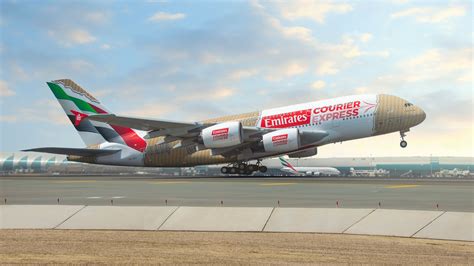
The future of the A380 will likely not involve every aircraft surviving until 2041. Instead, Emirates may gradually reduce the fleet while keeping the strongest airframes flying. Some aircraft will continue carrying passengers around the world, while others will quietly support the fleet from the ground.
This is a different kind of aircraft lifecycle. Instead of replacing the A380 with a newer model immediately, Emirates is extending the useful life of its existing fleet through engineering, planning, and resource management.
The Airbus A380’s Second Life as Emirates’ Long-Term Flagship
The story of Emirates and the A380 shows that aircraft success is not determined only by production numbers or fuel efficiency. It also depends on how well an aircraft fits an airline’s business model.
The A380 failed to become the global standard Airbus originally hoped for, with only 251 aircraft delivered before production ended. Yet for Emirates, the aircraft became one of the foundations of its international expansion.
By using retired aircraft as parts sources, Emirates can overcome one of the biggest challenges facing older aircraft: the disappearance of a manufacturing ecosystem. The airline’s massive fleet size provides an advantage that few other operators possess.
The coming years will determine whether Emirates can achieve its goal of operating A380s into the 2040s. The path will not be simple, but the airline has already shown a willingness to invest in solutions that other carriers abandoned.
The Airbus A380 may no longer be the future of commercial aviation, but for Emirates, it remains an important part of the present — and possibly a carefully managed part of the future.