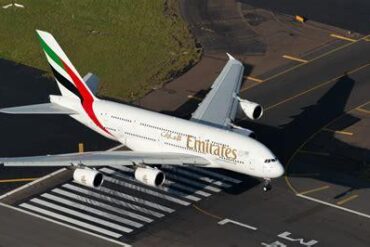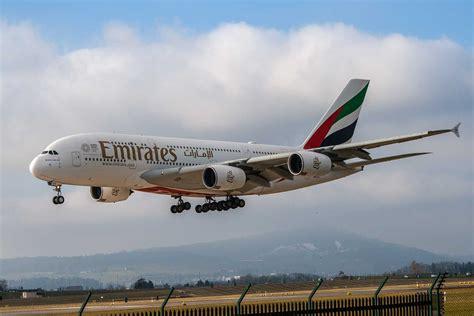
The global aviation industry has largely turned its back on the era of the superjumbo. Yet, one airline continues to double down on it—refining, upgrading, and even expanding its fleet. That airline is Emirates, and its unwavering commitment to the Airbus A380 is far from sentimental. It is strategic, calculated, and deeply aligned with its long-term vision.
A Contrarian Bet in a Changing Aviation Landscape
For most airlines, the A380 represents an outdated philosophy. Aviation has shifted toward smaller, fuel-efficient aircraft capable of flying directly between cities without relying on major hubs. Twin-engine jets like the Boeing 787 Dreamliner and the Airbus A350 have made point-to-point travel more economical and flexible.
The A380, by contrast, was built for scale—massive passenger volumes moving through major hub airports. Its operational requirements are demanding, from specialized gates to reinforced runways. Many airlines simply cannot justify the cost or complexity.
And yet, Emirates thrives precisely because of this model. Operating out of its Dubai megahub, the airline has built a network that channels global traffic through a single, highly efficient gateway. In this ecosystem, the A380 isn’t a liability—it’s a competitive advantage.
Delays in Next-Generation Aircraft Force Strategic Patience
A major reason Emirates continues upgrading its A380s is surprisingly simple: the aircraft meant to replace them haven’t arrived.
The airline has placed massive orders for the Boeing 777X, which is expected to become the backbone of its future fleet. However, persistent delays have pushed deliveries further into the future—now expected around 2027.
This delay creates a gap. Emirates needs high-capacity aircraft now, not years down the line. And rather than scaling back, it has chosen to enhance what it already has.
The result is a bold decision: invest heavily in an aircraft that other airlines are retiring.
Reinventing the A380 Passenger Experience
Emirates isn’t just maintaining its A380 fleet—it’s transforming it into something even more compelling.
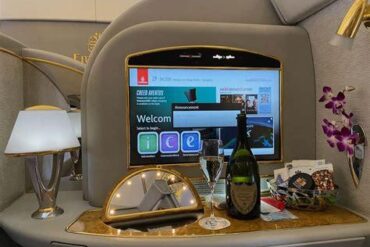
The latest upgrades focus intensely on premium travel. Step onboard, and the cabin feels less like an aircraft and more like a flying boutique hotel. Cream tones, bronze accents, and refined textures create an atmosphere that quietly signals exclusivity.
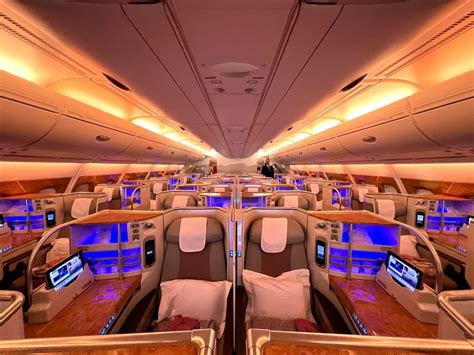
First Class has been elevated with redesigned Shower Spas, complete with polished wood finishes and high-end organic products. This isn’t a gimmick—it’s a statement. Emirates understands that luxury travelers are willing to pay for experiences that feel unique, memorable, and indulgent.
Then there’s the iconic onboard lounge. A space where passengers can sip cocktails, socialize, or simply unwind mid-flight. It’s not just about transportation; it’s about turning the journey into part of the destination.
Premium Economy: The Smart Middle Ground
Perhaps the most strategic upgrade is the introduction of Premium Economy.
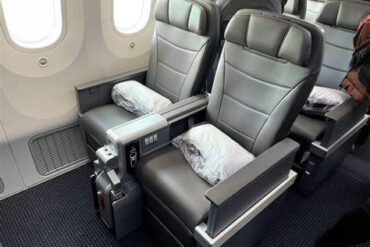
Positioned at the front of the main deck, this cabin offers a carefully calibrated balance between affordability and comfort. With wider seats, enhanced dining, and thoughtful design touches, it targets a growing segment of travelers who want more than economy—but aren’t ready to splurge on business class.
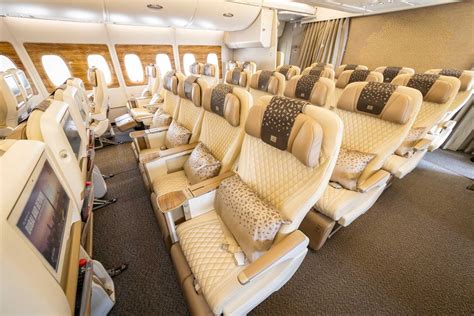
This move aligns perfectly with broader industry trends. Travelers are increasingly seeking value-driven upgrades, and Premium Economy fills that gap beautifully.
Emirates has gone further by refining the details—high-quality tableware, curated menus, and a service style that feels intentional rather than transactional. It’s not just a new cabin; it’s a new revenue stream.
Fleet Expansion Through Acquisition, Not Production
With the A380 no longer in production, Emirates has had to get creative.
Instead of ordering new aircraft, it has begun acquiring existing ones—sometimes even purchasing planes it previously leased. This approach allows the airline to maintain fleet size while controlling costs and ensuring consistency.
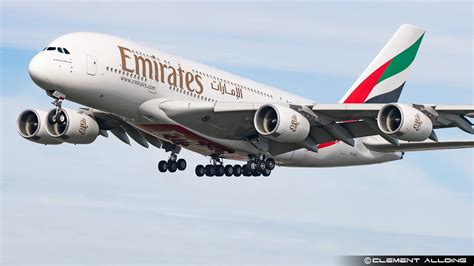
This strategy also reflects a deeper reality: Emirates would likely buy more A380s if it could. The airline has even expressed interest in a hypothetical upgraded version featuring next-generation engines like the Rolls-Royce UltraFan.
But restarting production is highly unlikely. The original program struggled financially, and demand simply isn’t there.
So Emirates adapts. It upgrades. It optimizes. And it keeps the A380 relevant.
Why the A380 Still Works for Emirates
The A380’s continued success at Emirates comes down to alignment. Everything about the aircraft fits the airline’s operating model.
First, there’s the hub-and-spoke system. Dubai serves as a global crossroads, connecting Europe, Asia, Africa, and the Americas. High-capacity aircraft maximize efficiency on these dense routes.
Second, Emirates focuses exclusively on widebody aircraft. This simplifies operations, training, and maintenance. The A380 integrates seamlessly into this ecosystem.
Third, the airline has built its brand around premium experiences. The A380, with its spacious layout and unique features, provides the perfect platform to deliver that promise.
For other airlines, the A380 is impractical. For Emirates, it’s indispensable.
Extending the Lifespan Into the 2040s
While many carriers are phasing out their A380s, Emirates is planning to fly them well into the 2040s.
This isn’t wishful thinking—it’s a calculated lifecycle strategy. By acquiring additional aircraft and stockpiling spare parts, the airline ensures it can maintain operations long after others have exited the market.
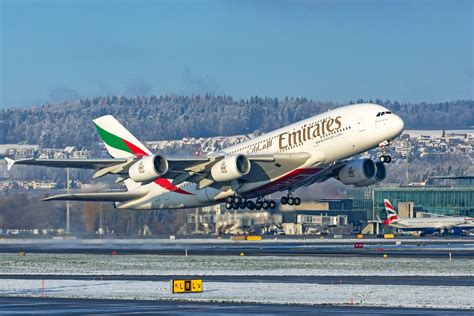
Interestingly, this long-term commitment doesn’t mean every A380 will stay in service that long. Some will be retired earlier as newer aircraft arrive. But the fleet as a whole will remain a core part of Emirates’ identity for decades.
Balancing Innovation With Legacy
There’s a subtle brilliance in Emirates’ approach. While waiting for next-generation aircraft, it refuses to stagnate.
Instead, it upgrades existing assets to bridge the gap—enhancing passenger experience, improving efficiency, and maintaining brand prestige.
This balance between innovation and legacy is rare. Many airlines either cling to the past or chase the future. Emirates does both.
The Emotional Factor: An Aircraft People Love
Beyond strategy and economics, there’s something else at play: people love the A380.
Passengers consistently rank it among the most comfortable aircraft ever built. The quiet cabin, spacious layout, and unique features create an experience that smaller jets simply can’t replicate.
There’s a reason frequent flyers compare it to luxury cars while describing other aircraft as basic transport. It’s not just about getting from A to B—it’s about how it feels along the way.
Emirates understands this emotional connection and leverages it brilliantly. By enhancing the A380 rather than abandoning it, the airline strengthens customer loyalty in a way that spreadsheets alone can’t measure.
A Strategic Bridge to the Future
Ultimately, Emirates’ ongoing investment in the A380 is about timing.
The future fleet—anchored by the 777X and other advanced aircraft—is coming. But it’s not here yet. And in aviation, waiting isn’t an option.
So Emirates builds a bridge.
That bridge is made of upgraded cabins, enhanced services, and a relentless focus on passenger experience. It allows the airline to maintain its global leadership while preparing for the next chapter.
Conclusion: Defying the Industry With Purpose
In an industry that has largely moved on from the A380, Emirates stands alone—not out of nostalgia, but out of necessity and vision.
By upgrading its fleet, introducing new cabin classes, and extending the aircraft’s lifespan, the airline turns a perceived weakness into a defining strength.
The A380 may be fading elsewhere, but at Emirates, it’s evolving.
And as long as the skies demand capacity, comfort, and a touch of grandeur, that evolution isn’t ending anytime soon.