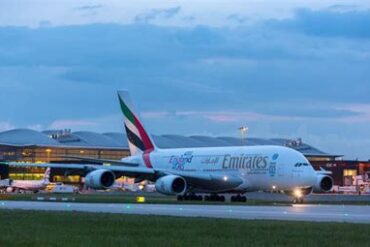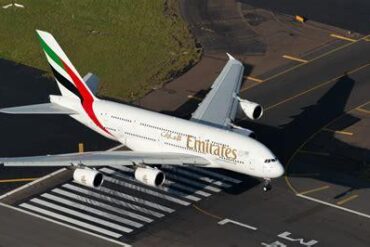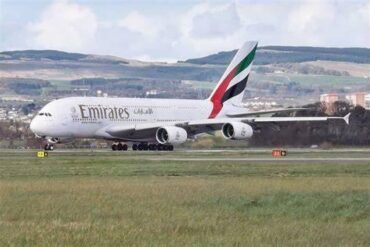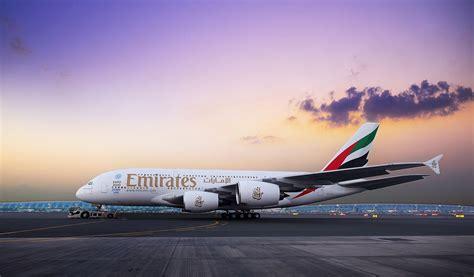
Emirates has confirmed a notable adjustment to its London Gatwick operations, temporarily withdrawing its flagship Airbus A380 from the route during October and November. At first glance, the move appears to signal a downgrade at the UK’s second-busiest airport. In reality, the decision reveals a far more nuanced strategy—one that blends fleet flexibility, seasonal demand management, and the introduction of new-generation aircraft into one of Europe’s most competitive long-haul markets.
The Dubai-based carrier has spent years cultivating Gatwick as a critical London gateway, operating double-daily A380 services that underline the airport’s importance within its European network. The upcoming change is therefore less about retreat and more about precision scheduling, aligning capacity with demand while preparing for a high-impact winter return.
A Strategic Pause for the Superjumbo
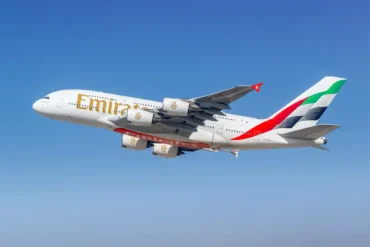
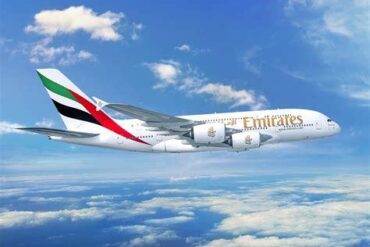
Until recently, Emirates’ winter plans suggested uninterrupted A380 operations at Gatwick. That assumption has now shifted. According to current schedules, the final A380 departure will operate on September 30, with all flights in October and November served exclusively by twinjet aircraft. It marks the first time since the pandemic-stricken year of 2021 that Gatwick will not see Emirates’ iconic double-decker for an extended period.
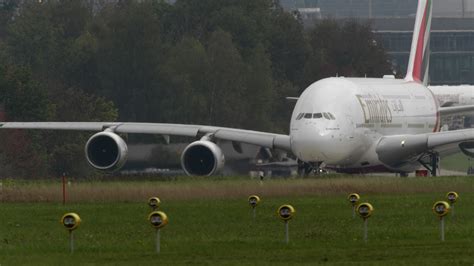
This temporary pause should not be misread as a loss of confidence in Gatwick. Instead, it reflects the airline’s willingness to right-size capacity during historically weaker months. November, in particular, is widely regarded as one of the softest periods for long-haul demand, even on premium-heavy routes like London–Dubai. Pulling the A380 during this window allows Emirates to protect yields without compromising frequency.
Boeing 777s Step In Without Sacrificing Premium Appeal
During the A380 hiatus, Emirates will rely heavily on the Boeing 777-300ER, an aircraft that remains the backbone of its long-haul fleet. These aircraft will operate multiple daily frequencies, including early-morning and late-evening departures that maintain schedule breadth for both leisure and business travelers.
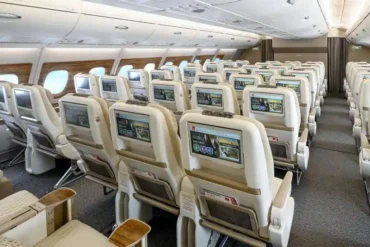
Crucially, first class cabins will remain available on selected services, ensuring Gatwick continues to offer Emirates’ highest-end product even without the superjumbo. While premium economy will be absent on these particular 777 configurations, the airline is clearly prioritizing operational efficiency over uniform cabin offerings during the seasonal lull.
The result is a meaningful reduction in total seat count—especially compared with the airline’s massive 615-seat A380s—but one designed to strengthen overall performance through improved load factors and pricing discipline.
The A350 Debut Adds a Modern Twist
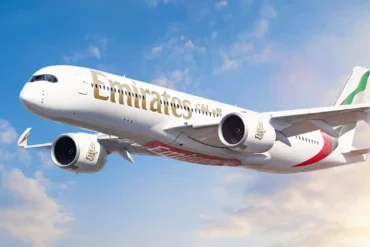
The real surprise in Emirates’ Gatwick reshuffle lies not in what is being removed, but in what is being added. From February 8, the airline will introduce a fourth daily Dubai–Gatwick service operated by the Airbus A350-900. This marks the first time Emirates’ A350s will serve London, a milestone that underscores Gatwick’s evolving role within the carrier’s fleet deployment strategy.
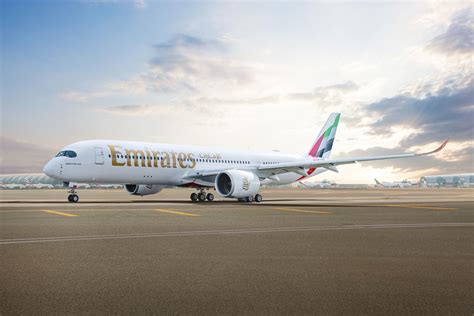
The A350 brings a quieter cabin, improved fuel efficiency, and next-generation passenger comfort, aligning well with Emirates’ long-term sustainability and product goals. Its inclusion helps explain the temporary A380 withdrawal: with four daily frequencies year-round, Gatwick becomes a laboratory for fleet diversification, rather than a one-aircraft showcase.
A December Comeback Timed for Peak Demand
While October and November will see no A380s, the aircraft is far from gone. From December 1, Emirates plans to restore—and even expand—its superjumbo presence at Gatwick, scheduling three daily A380 flights in time for the Christmas travel surge. This level of capacity was last seen in December 2025, highlighting the airline’s confidence in winter peak demand.
This stop-start deployment illustrates a broader truth about modern airline planning: schedules published nearly a year in advance are increasingly fluid, shaped by market performance, fleet availability, and competitive pressures. Emirates’ Gatwick adjustments epitomize this reality, balancing long-term ambition with short-term pragmatism.
Gatwick Becomes a Twinjet Powerhouse
The November schedule reveals another striking detail. Gatwick will emerge as Emirates’ only long-haul destination with four or more daily twinjet flights, placing it in rare company alongside regional markets such as Bahrain, Kuwait, and Dammam. For a long-haul route, this concentration of widebody twinjets is highly unusual and speaks volumes about sustained demand between London and Dubai.
This density of service gives passengers exceptional flexibility while allowing Emirates to fine-tune capacity aircraft by aircraft. It also positions Gatwick as a uniquely resilient long-haul market—one capable of supporting high frequency even without the headline-grabbing A380.
More Than a Withdrawal, a Signal of Confidence
Emirates’ temporary A380 withdrawal from Gatwick is not a retreat but a recalibration. By substituting the superjumbo with Boeing 777s and introducing the Airbus A350, the airline is reshaping its London strategy around adaptability rather than symbolism. The swift December return of the A380 only reinforces that Gatwick remains central to Emirates’ European ambitions.
In an era where fleet flexibility defines competitive advantage, this “twist” reveals a carrier that understands when to pull back—and exactly when to surge forward again.