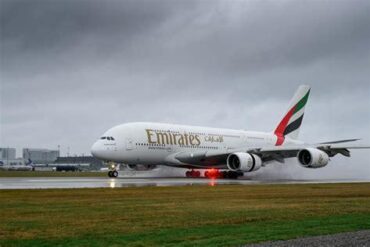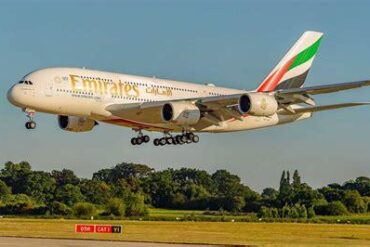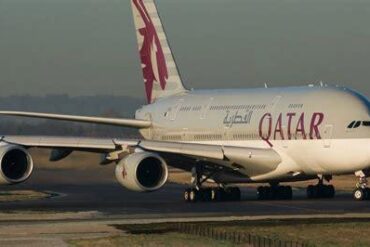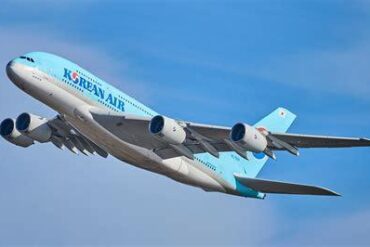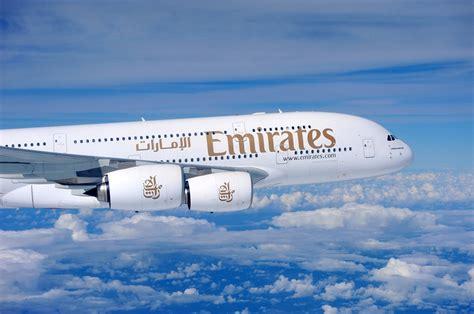
Emirates has confirmed that it will end Airbus A380 flights between Dubai and Copenhagen, marking the conclusion of Denmark’s only regularly scheduled double-decker quad-jet service. The final A380 operation is scheduled for May 31, after which the route will transition entirely to twin-engine widebody aircraft. While the retirement of the superjumbo may sound like a downgrade at first glance, the reality is more nuanced and, for passengers, strategically beneficial.
The decision reflects a deliberate network recalibration rather than a retreat from the Danish market. Emirates is doubling its Copenhagen frequency to two daily flights, a move designed to strengthen market share, improve schedule flexibility, and enhance connectivity through Dubai. In an era where frequency often outperforms sheer aircraft size, the airline is trading spectacle for precision.
This shift also arrives at a moment of intensifying competition in Scandinavia. Etihad has recently increased Abu Dhabi–Copenhagen services to daily and plans to introduce the Boeing 787-9, underscoring how Gulf carriers are sharpening their Nordic strategies with modern, efficient aircraft rather than relying on ultra-large jets.
Emirates and Copenhagen: A Long-Running Widebody Relationship
Emirates’ presence in Copenhagen dates back to 2011, when the route launched with the Airbus A330-200. Over the following years, the airline cycled through a variety of long-haul workhorses, including the Boeing 777-200ER, 777-300, and 777-300ER, steadily building demand between Denmark and the Middle East, Asia, and beyond.
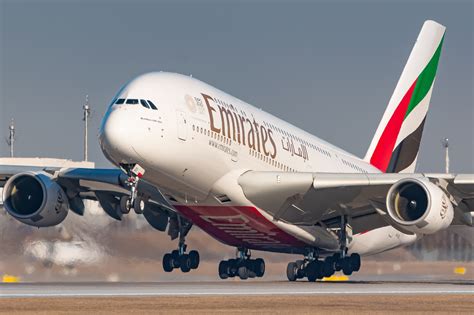
The Airbus A380 first appeared on the route in December 2015, bringing with it unprecedented capacity and the visual drama of the world’s largest passenger aircraft. That era paused abruptly in March 2020, when the pandemic forced a temporary withdrawal of the superjumbo in favor of the more flexible 777-300ER.
The A380 returned to Copenhagen in January 2025, but in a form rarely seen elsewhere. Instead of a lavish, premium-heavy layout, Emirates deployed a two-class, ultra-high-density 615-seat configuration. No first class, limited premium seating, and enormous economy capacity defined this version, making it one of the most capacity-intensive long-haul passenger aircraft in commercial service.
Until recently, that configuration was expected to remain on the Dubai–Copenhagen route. The plan has now changed, and the future deployment of those freed-up A380s remains unclear, adding another layer of intrigue to Emirates’ fleet strategy.
From Superjumbo to Smart Scheduling
For nearly fifteen years, Emirates has maintained a once-daily frequency to Copenhagen, mirroring its approach to other Scandinavian capitals such as Oslo and Stockholm. That consistency is now giving way to a more aggressive schedule.
From June 1, Emirates will operate two daily flights between Dubai and Copenhagen. The existing A380 rotation will transition to the Boeing 777-300ER, while the newly added frequency will be operated by the Airbus A350-900, one of the most modern aircraft in the airline’s fleet.
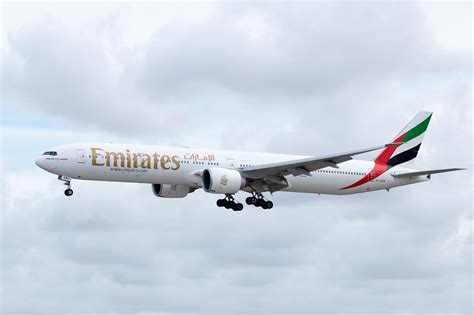
The 777-300ER will use a 421-seat configuration, placing this route among the longest and densest deployments of that layout in the global network. The A350-900, by contrast, will offer 298 seats, making it Emirates’ lowest-capacity long-haul aircraft and a powerful tool for fine-tuning demand.
Combined, the two flights will provide 1,438 daily seats in each direction. That represents only a 17% increase in total capacity, despite the doubling of frequency. The math tells the story: Emirates is prioritizing better load factors, improved yields, and greater schedule choice, rather than flooding the market with excess seats.
Notably, premium economy will be available on the Copenhagen route for the first time, aligning Denmark with other European markets where this cabin has proven popular with long-haul leisure and corporate travelers alike.
Dubai Connectivity and the Power of Timing
The revised schedule also plugs Copenhagen more effectively into Emirates’ global hub structure. A growing number of Europe-bound flights now depart Dubai in the mid-afternoon, forming the carrier’s second-largest European departure bank after the morning wave. Copenhagen will now be part of this strategically valuable window.
The return leg of the new A350 service arrives in Dubai at 5:55 am, coinciding with one of Emirates’ busiest European arrival banks. This timing significantly expands onward connection options across Asia, Africa, and Australasia, turning Copenhagen into a more powerful spoke within the network.
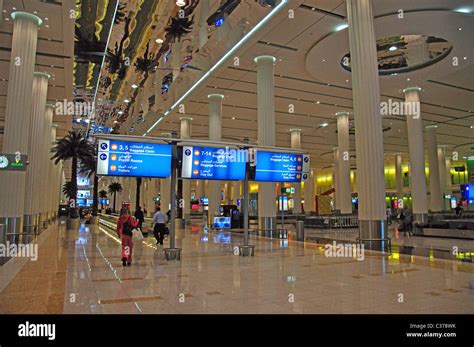
For passengers, this means shorter layovers, more routing flexibility, and improved resilience when disruptions occur. Frequency, in this context, becomes a form of reliability.
Where Copenhagen Passengers Actually Go
Booking data from the twelve months to October 2025 reveals the true engine behind Emirates’ Copenhagen performance. More than 200,000 passengers used Dubai as a transfer point, with India emerging as the largest country market. This is no coincidence: Scandinavian interest in India is rebounding, with SAS planning a return later in the year and IndiGo launching Denmark services in October 2025.
Thailand ranked second, followed by Australia, Taiwan, Vietnam, South Africa, Indonesia, the Philippines, Mauritius, and Japan. The diversity of these markets highlights why frequency matters more than aircraft size; connection-heavy routes thrive on timing.
Perhaps the most surprising data point is that Copenhagen–Taipei emerged as the single most popular origin-destination pair, an unusual result for Emirates given its network structure. Bangkok followed closely, with Bali, Mauritius, Ho Chi Minh City, Bengaluru, Hanoi, Sydney, Phuket, and Manila rounding out the top destinations.
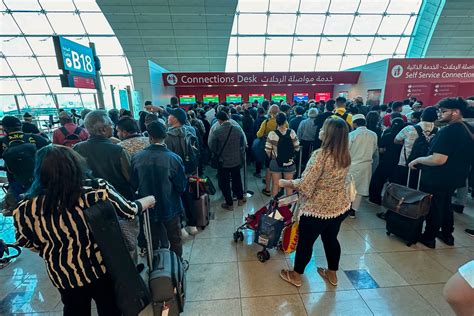
The strong showing of Vietnam-bound traffic offers additional context for Vietnam Airlines’ decision to launch Copenhagen flights in December 2025, reinforcing the idea that Emirates’ data-driven approach often foreshadows broader market moves.
The End of the A380 Era, Not the End of Growth
The withdrawal of the Airbus A380 from Copenhagen closes a visually striking chapter in Danish aviation history. Yet, this is not a story of decline. It is a case study in how a global carrier adapts to changing economics, competitive pressure, and passenger behavior.
By replacing one giant aircraft with two precisely timed flights, Emirates is betting on connectivity, flexibility, and modern cabins rather than raw capacity. The superjumbo may be leaving Copenhagen, but the route itself is entering a more mature, strategically optimized phase—one designed for how people actually travel today, not how impressive an aircraft looks on the tarmac.