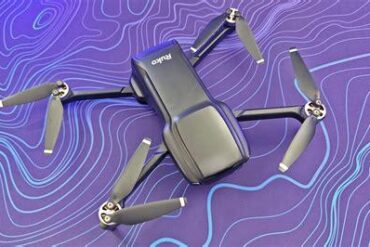
The Bwine F7 GPS drone has sparked considerable interest in the entry-level drone market. As an alternative to the dominant DJI models, it promises a wide range of features typically found in premium drones but at a more accessible price point. However, despite its attractive pricing, the F7 has received mixed reviews from users, with opinions ranging from mild satisfaction to outright disappointment. To offer a comprehensive analysis, we will explore its features, performance, durability, and overall value, drawing on real user experiences to provide a balanced view of this budget-friendly aerial platform.
Design and Build Quality
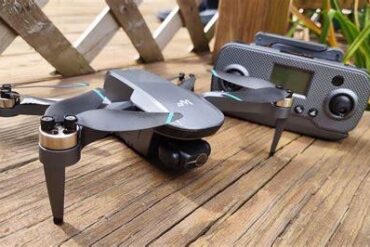
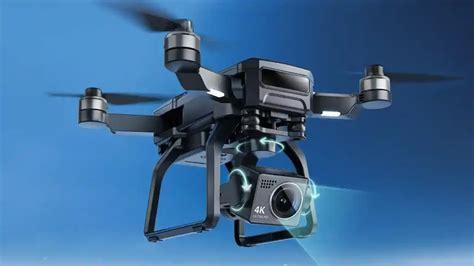
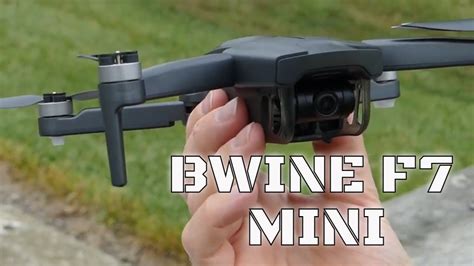
At first glance, the Bwine F7 has a sturdy, slightly bulky build that sets it apart from more streamlined competitors like the DJI Mini 2 SE. It features a robust chassis with tall landing gear, which, while offering good clearance for camera protection, has been noted to introduce instability during landings. Some users report frequent tip-overs, resulting in broken props and the need for frequent replacements. Prop guards are notably absent, which can be a significant drawback for beginner pilots still mastering smooth takeoffs and landings. This issue is compounded by its higher weight and bulk, making it more susceptible to wind interference, unlike the more aerodynamically refined DJI models.

Camera and Image Quality
One of the most critical aspects of any drone is its camera, and this is an area where the F7 shows both strengths and weaknesses. The Bwine F7 advertises a 4K camera, but several users have disputed this claim, noting that while the resolution is high on paper, the actual image quality leaves much to be desired. Many describe the footage as overly yellow and lacking the sharpness typically associated with true 4K sensors. Moreover, the camera’s performance in motion is a common complaint, with jittery, unstable footage that lacks the fluidity found in DJI’s stabilized systems. The absence of a high-quality gimbal further reduces its appeal for aerial photography enthusiasts.
Battery Life and Flight Time
Battery life is another area where the Bwine F7 struggles. Advertised flight times often fall significantly short in real-world conditions. Reports indicate an average flight duration of 10-15 minutes per battery, with some users experiencing even shorter flights depending on wind conditions and payload. Battery recharge times are another weak point, often taking up to 8 hours, which can severely limit usability for longer outdoor sessions. Some users have also reported issues with batteries swelling after a few cycles, raising concerns about long-term reliability and safety.
Flight Performance and Stability
Stability in flight is a major differentiator between entry-level and premium drones, and the Bwine F7 has a mixed reputation in this regard. Many users note that it struggles in even light wind, a critical flaw for outdoor operations. The tall landing gear, while protective, adds significant drag, further reducing stability. Additionally, the drone reportedly requires frequent recalibration of its gyroscope, which can be a tedious and frustrating experience for new pilots. This is particularly problematic given that even small calibration errors can significantly impact flight performance and control precision.
GPS and Range
The Bwine F7 is equipped with GPS, providing basic navigation and return-to-home functionality, but this system appears to be less reliable than its more premium counterparts. Some pilots have reported connectivity issues at distances as short as 100 feet, severely limiting its effective range. These limitations stand in stark contrast to the more refined GPS systems found in DJI drones, which offer robust, low-latency positioning over far greater distances.

Software and User Experience
User experience is often defined not just by hardware but also by the quality of the supporting software. In this case, the F7’s companion app has been a point of contention. Many users have described it as poorly optimized, with frequent crashes and connectivity issues. The app’s interface, while functional, lacks the polish and intuitive design of DJI’s flight software, making it less user-friendly for beginners. These software shortcomings, combined with hardware inconsistencies, significantly impact the overall flying experience.
Value for Money
While the Bwine F7 is often marketed as a budget-friendly alternative to premium brands, its price point still raises questions about value for money. With a typical cost of around $200-$250, it competes directly with used DJI models, which offer far superior build quality, image stabilization, and software support. For those primarily interested in high-quality aerial photography or reliable long-range flight, the F7 may not be the best investment.
Final Verdict – Is the Bwine F7 Worth It?
Ultimately, the Bwine F7 occupies a challenging niche in the drone market. It provides a reasonable entry point for those seeking basic GPS functionality and moderate camera quality without breaking the bank. However, its numerous drawbacks, including short battery life, questionable build quality, and inconsistent flight performance, make it a tough sell compared to more refined models. For those willing to invest a bit more, even a used DJI model represents a significant step up in quality and reliability, making the F7 a difficult recommendation except for the most budget-conscious beginners.
For drone enthusiasts who prioritize reliability, ease of use, and high-quality imaging, the DJI Mini 2 SE or even the newer Mini 4K remain far superior choices, offering better overall value and a far more satisfying flying experience.