In a daring and unprecedented act of covert warfare, Ukraine’s Security Service (SBU) has executed what may be its most ambitious long-range sabotage mission to date—Operation Spider’s Web. The operation involved concealing explosive-laden drones inside wooden sheds, which were then placed on trucks and driven close to some of Russia’s most secure military installations. On Sunday, this audacious plot culminated in simultaneous strikes on four major Russian air bases, causing what Ukrainian officials estimate as $7 billion in damages and putting 34% of Russia’s cruise missile carriers out of action.
The full scale of the attack became clear when images and video clips posted across Russian and Ukrainian social media showed strategic bombers ablaze at airfields as far as 4,300 kilometers from Ukraine’s front lines. This vast distance is well beyond the known range of Ukrainian drones or ballistic missiles, suggesting a sophisticated deception and infiltration strategy to bring the weapons directly to the target zones.

How Drones Were Hidden in Plain Sight
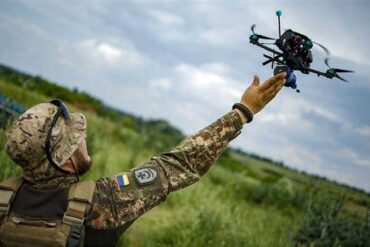
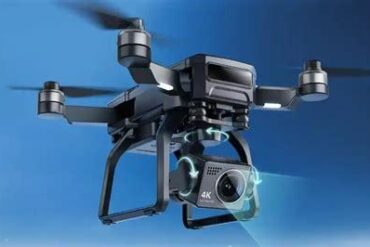
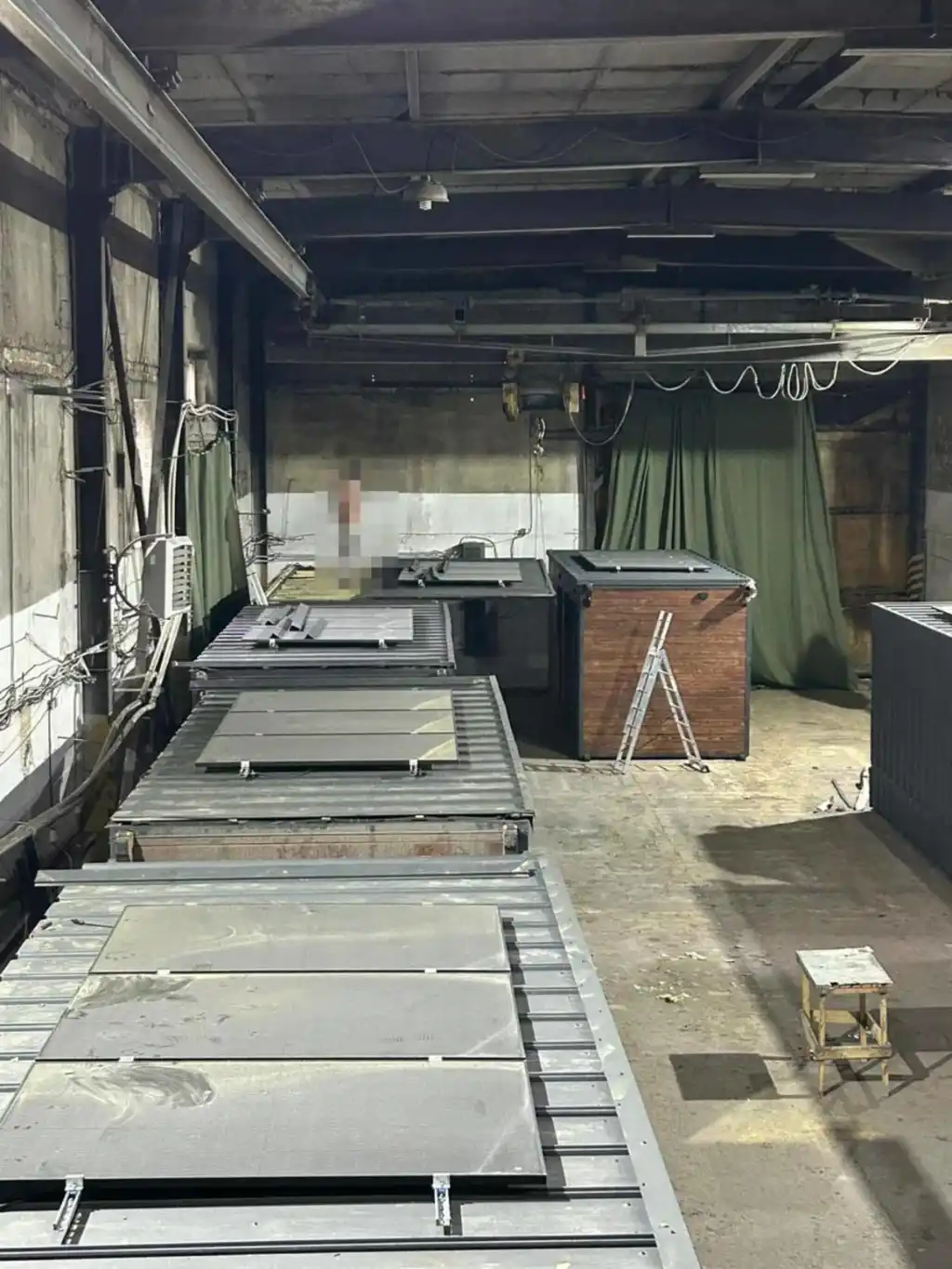
The backbone of this surgical strike was a surprising and remarkably low-tech delivery method. According to an unnamed Ukrainian security official, wooden storage sheds with detachable roofs were loaded onto civilian-style flatbed trucks and driven near the perimeters of air bases in Irkutsk and other regions. Hidden inside the roofs were short-range quadcopter drones, each preloaded with explosives.
Once the trucks reached their pre-selected staging areas, remotely activated mechanisms lifted the roof panels, exposing the drones, which then lifted off autonomously. The SBU’s operational design ensured the drones would only become visible at the moment of launch, allowing them to avoid early detection by Russian surveillance systems.
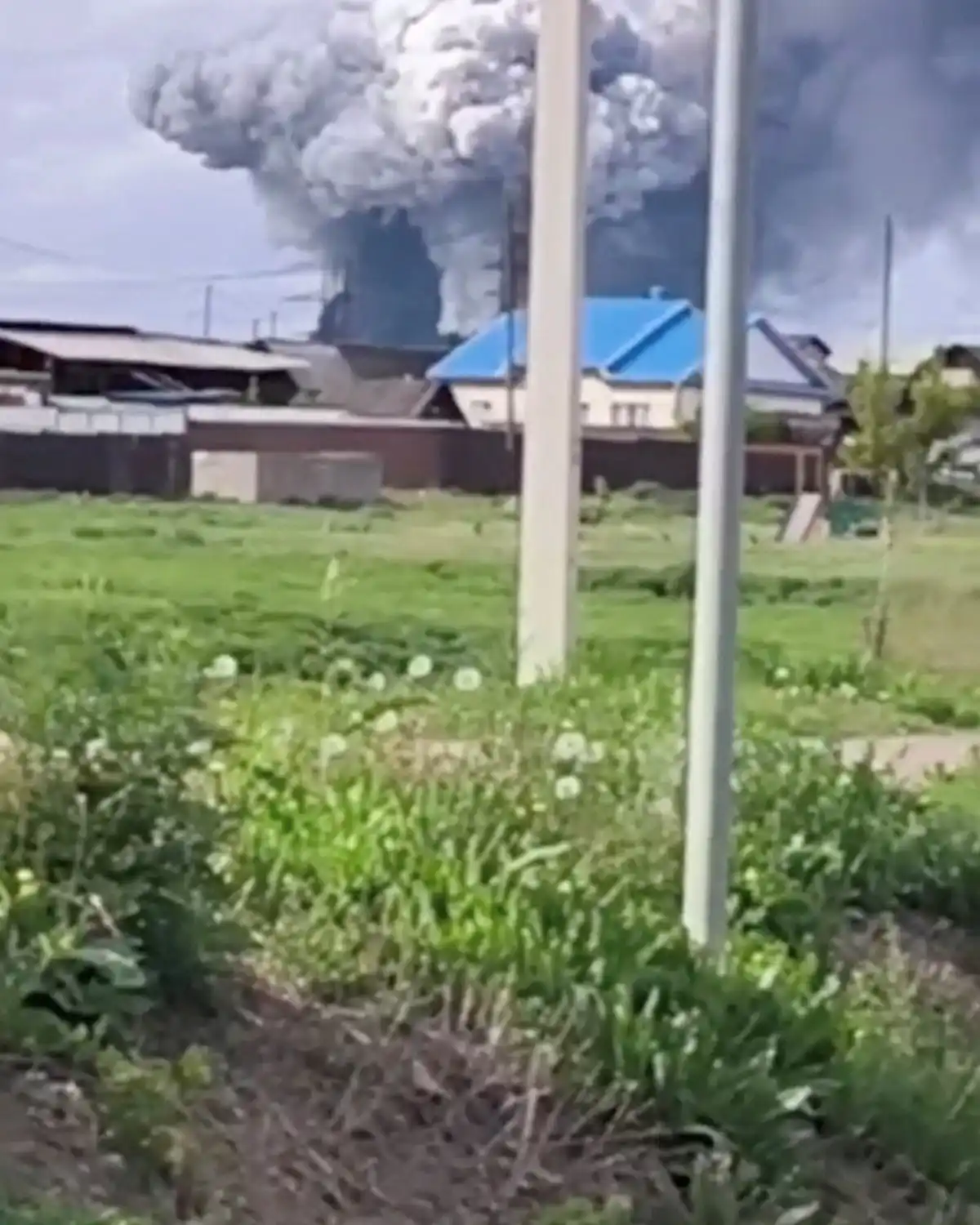
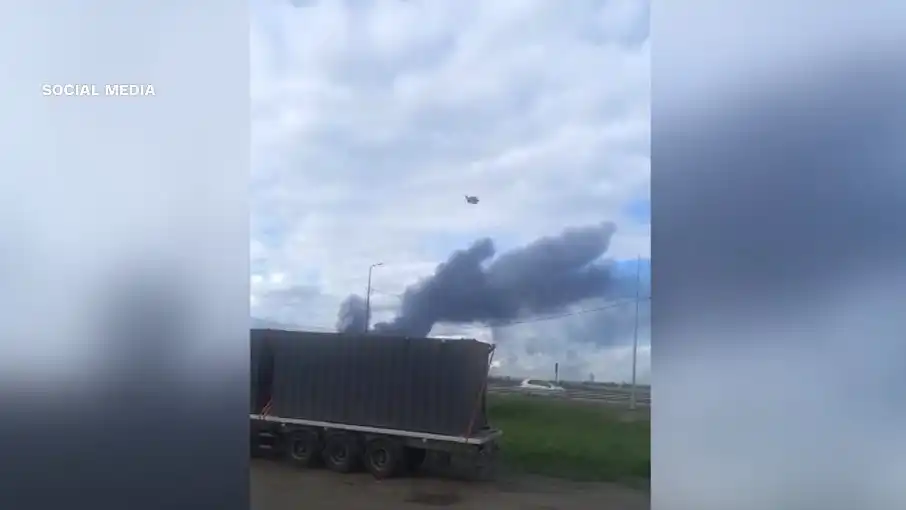
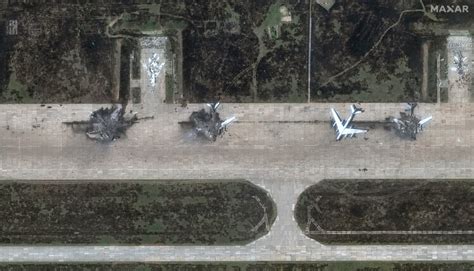
The Belaya air base in Irkutsk became the most visually documented site of impact. Videos circulating on Russian Telegram channels showed large flames consuming aircraft on the tarmac, including what appeared to be Tu-95 and Tu-22M strategic bombers. While these visuals have not been independently verified by Reuters, they were also analyzed and partially corroborated by Ukraine’s intelligence services.
Zelenskiy Hails the Longest-Range Operation Yet
Ukrainian President Volodymyr Zelenskiy praised the results in an emphatic Telegram post, calling it an “absolutely brilliant outcome” and noting that the entire mission was conducted with Ukrainian planning, resources, and intelligence. “This is our longest-range operation ever, and one that took more than a year and a half of preparation,” he stated.
In his nightly address, Zelenskiy added that 117 drones had been involved in the complex, multi-pronged strike and that Ukrainian agents had been extracted from inside Russia just one day before launch. Perhaps most astonishingly, he revealed that the SBU had set up its operational nerve center near a regional office of Russia’s FSB, suggesting an extraordinary level of proximity and boldness.
Strategic Losses for Moscow
If the damage estimates hold true, Operation Spider’s Web marks a critical strategic setback for Russia. According to the SBU, 41 warplanes were either damaged or destroyed in the coordinated drone strikes. The most crucial statistic is the 34% reduction in operational strategic missile carriers, which include bombers capable of launching Kh-101 and Kh-555 cruise missiles—key components of Russia’s long-range arsenal against Ukrainian cities and infrastructure.
The Tupolev Tu-95 and Tu-22M aircraft damaged or destroyed are not just symbols of Russian military might; they are central to Moscow’s aerial strike capabilities. Each aircraft can carry multiple precision-guided munitions, and their production and maintenance are time-consuming and resource-intensive. Their loss, therefore, affects both operational readiness and strategic deterrence.
Tactics of Deception and the Use of Civilian Infrastructure
What made the operation especially effective was the use of civilian disguise and improvised delivery methods. The sheds, constructed to appear as non-threatening industrial storage units, were not scanned rigorously by Russian patrols. Their integration with common transport vehicles, such as delivery trucks or agricultural trailers, allowed them to pass checkpoints and surveillance systems undetected.
Footage shared by Ukrainian sources and re-circulated by open-source analysts showed the aftermath: drones launching from truck-mounted sheds, metal roofing discarded on the ground, and drone flight paths heading directly toward parked aircraft. Russian media outlet Baza, which published footage of one of the strikes, appeared to confirm the location as within proximity to Belaya air base, providing further validation of the Ukrainian claims.
Implications for the Future of Asymmetric Warfare
Operation Spider’s Web may set a precedent for the next evolution of asymmetric warfare, where ingenuity and deception can substitute for range and firepower. Rather than relying solely on expensive, long-range cruise missiles, Ukraine demonstrated that targeted strikes can be conducted deep inside enemy territory using low-cost drones and covert logistics.
It also illustrates a potential vulnerability in the Russian defense grid—a gap between perimeter security and internal readiness. The ease with which the trucks carrying drones approached these strategic airfields raises serious questions about Russia’s internal counter-intelligence and military base protection.
In many ways, this operation echoes classic guerrilla tactics adapted for a 21st-century battlefield, utilizing technology, subterfuge, and local knowledge to achieve results that far exceed the scope of the equipment used. It also underscores the pivotal role played by domestic intelligence services like the SBU, which are increasingly involved in kinetic operations rather than just surveillance and analysis.
Russian Response and Denial
Predictably, the Kremlin has issued limited confirmation, with Irkutsk Governor Igor Kobzev acknowledging only that there was a drone attack on a military unit near Sredny, a village in close proximity to Belaya air base. He stated that the drones had been launched from a truck but stopped short of confirming the extent of the damage or the number of aircraft affected.
The reluctance to detail losses is consistent with previous Russian strategies of information suppression during high-impact setbacks. However, the spread of video evidence on Russian social media and Telegram channels has made complete denial impossible, leading analysts to suspect that the real damage may even exceed Ukraine’s claims.
Conclusion: A War of Innovation and Infiltration
As the war between Ukraine and Russia continues to evolve, Operation Spider’s Web may stand as a watershed moment. It showcases how non-linear tactics and adaptive warfare are becoming defining features of this conflict. With this success, Ukraine has not only inflicted substantial physical damage but has also sent a psychological message: no distance is too far, and no target is too secure.
The operation demonstrates that the future of warfare lies not just in firepower but in creativity, patience, and precision. As both nations continue to innovate and adapt, the battlefield—physical and psychological—will remain fluid, unpredictable, and increasingly defined by the unexpected.