Understanding instrument landing procedures is fundamental to safe and efficient operations in low-visibility environments. In this article, we delve deep into three of the most commonly encountered instrument approaches in aviation: the Localizer (LOC) approach, the Instrument Landing System (ILS) approach, and the Global Positioning System (GPS) approach. Each serves a unique role in the broader framework of approach categories and navigation capabilities, especially in instrument meteorological conditions (IMC). We will explore the core components, operational implications, differences in precision, and technical dependencies of these systems.
What Is an ILS Approach?
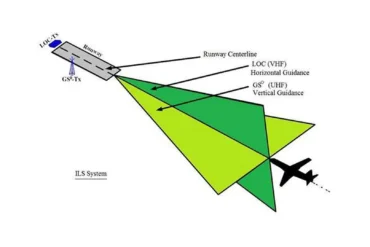
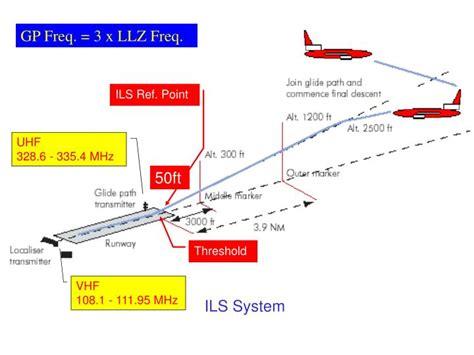
The Instrument Landing System (ILS) is the most precise form of approach guidance available in commercial and general aviation. Designed for Category I, II, and III precision approaches, ILS provides both lateral and vertical guidance to an aircraft.
At its core, the ILS comprises two essential components:
-
Localizer (LOC): Offers lateral guidance by transmitting a signal aligned with the centerline of the runway.
-
Glideslope (GS): Provides vertical descent guidance to help aircraft descend at a stable rate along a predefined glide path.
ILS systems enable automated landings, particularly under Category III conditions, which involve zero visibility requirements. However, the system’s effectiveness heavily depends on extensive ground infrastructure, including:
-
Precision ground-based transmitters
-
Backup generators
-
Monitoring stations
-
Critical area protections to avoid signal interference
-
High-intensity lighting systems for CAT II/III compliance
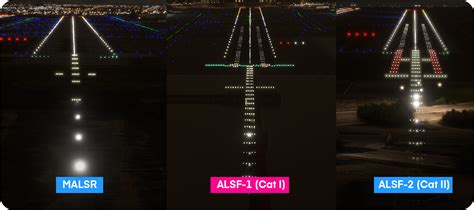
While robust, ILS systems are susceptible to downtime due to maintenance issues, interference, or weather impacts. For example, if lighting systems are not fully operational, approaches under CAT II/III minima cannot be authorized.
What Is a LOC Approach?
The Localizer-only (LOC) approach is a non-precision approach that uses only the lateral guidance component of the ILS system. The vertical glide path is omitted, requiring the pilot to manually control the descent using published step-down altitudes.
In essence, a LOC approach functions identically to the localizer portion of an ILS, but it lacks vertical descent support. This has several key implications:
-
Higher decision altitudes compared to ILS
-
Limited usability during adverse weather conditions
-
No autoland capability
Despite these limitations, LOC approaches remain vital backups when ILS systems are unavailable. They also serve smaller or regional airports that cannot justify the cost of full ILS installations.

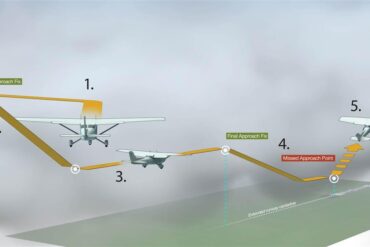
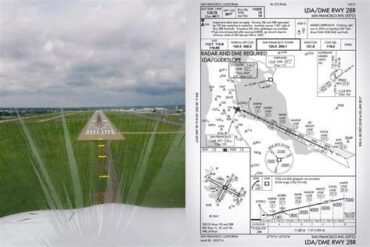
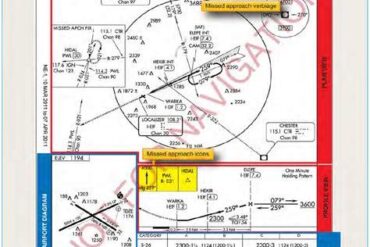
Pilots flying a LOC approach must refer to published approach charts for step-down fixes, typically executing a series of altitude level-offs until reaching a Minimum Descent Altitude (MDA). Visual reference must then be acquired for landing.
What Is a GPS Approach?
The GPS approach represents a next-generation navigation method using satellite signals to guide aircraft. It belongs to a broader category of RNAV (Area Navigation) procedures, with approach types ranging from basic LNAV (Lateral Navigation) to more advanced configurations like LPV (Localizer Performance with Vertical Guidance).
The key advantages of GPS-based approaches include:
-
Minimal ground infrastructure
-
Extensive coverage, especially at remote or under-equipped airports
-
Flexibility in route design
However, GPS approaches are considered non-precision unless they feature vertical guidance components (e.g., LPV or LNAV/VNAV). Traditional GPS approaches provide point-to-point navigation using a network of waypoints:
-
Fly-over waypoints: Aircraft must pass directly over before turning
-
Fly-by waypoints: Aircraft can initiate turns in advance to ensure smooth transitions
These routes may appear circuitous, especially in high-density airspace, but they are meticulously designed to support ATC deconfliction procedures through vertical or lateral separation.
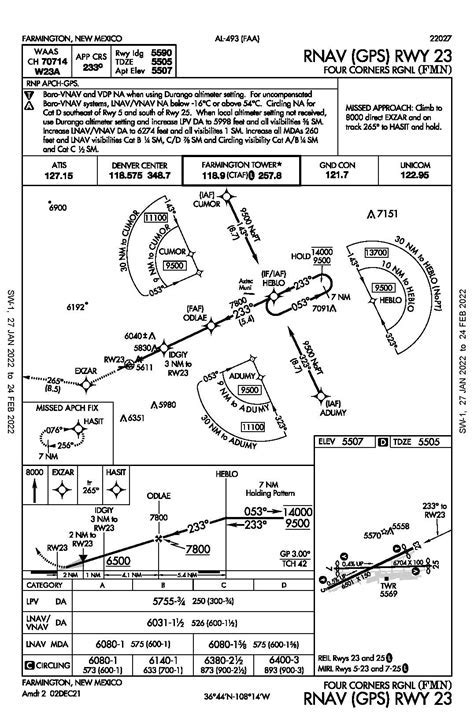
GPS reliability, while generally high, can be affected by:
-
Signal jamming or spoofing
-
Solar activity
-
Equipment limitations in older aircraft
Therefore, many legacy navigation aids such as VORs and NDBs remain in operation as redundancy mechanisms.
Precision vs. Non-Precision Approaches
Understanding the distinction between precision and non-precision approaches is essential:
-
ILS is a precision approach: Provides continuous lateral and vertical guidance, supporting landings down to zero visibility under CAT IIIc.
-
LOC and traditional GPS approaches are non-precision: Offer lateral guidance only, with descent managed by reference to published step-downs or GPS fixes.
This affects several operational aspects:
-
Decision Altitude (DA) for ILS vs Minimum Descent Altitude (MDA) for LOC/GPS
-
Autoland capability (ILS only)
-
Pilot workload, which increases on non-precision approaches due to manual descent management
Operational Use Cases and Preferences
While ILS remains the gold standard for major international airports, each approach type has its place:
-
ILS: Preferred in poor weather, major airports, high traffic areas, and where Category II/III operations are needed.
-
LOC: Common as a backup procedure, or at airports lacking glideslope capabilities. Often used for training and proficiency.
-
GPS: Ideal for remote or GA airports, RNAV-capable aircraft, and decentralized traffic management in less congested airspace.
Aircraft are typically vectored by ATC to an intercept course for the appropriate approach. Once established, the aircraft navigates through the published approach segments until reaching the Visual Descent Point (VDP) or decision altitude.
Technological Requirements
Each approach type depends on specific equipment capabilities, both in the aircraft and on the ground:
| Approach Type | Onboard Equipment Needed | Ground Infrastructure | Autoland Support |
|---|---|---|---|
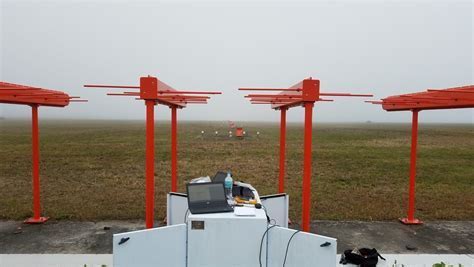
| ILS | ILS receiver, Autopilot (optional) | LOC & Glideslope antennas | Yes (CAT II/III) |
| LOC | ILS receiver | Localizer antenna only | No |
| GPS | WAAS-enabled GPS or FMS | Minimal | No (except LPV) |
In modern avionics suites, GPS approach modes can emulate the localizer display cues, giving pilots a familiar interface even without traditional ground-based signals.
Redundancy and Real-World Considerations
Despite advancements in satellite navigation, aviation authorities like the FAA and ICAO emphasize navigation redundancy. GPS outages, particularly due to military jamming, cybersecurity concerns, or natural events, can make satellite-based systems temporarily unavailable.
Thus, maintaining a mixture of ground-based navaids like ILS and LOC ensures operational resilience. Pilots are also trained to revert to these older systems as part of instrument currency requirements.
Conclusion
The choice between ILS, LOC, and GPS approaches is determined by a blend of aircraft capability, weather conditions, airspace complexity, and airport infrastructure. Each system presents unique strengths and limitations:
-
ILS offers unparalleled precision and is the only method that supports full autoland capability.
-
LOC serves as a valuable non-precision fallback, utilizing existing ILS infrastructure minus the vertical guidance.
-
GPS approaches offer unmatched flexibility and coverage but depend heavily on satellite reliability and aircraft equipment.
Understanding the interplay between these approaches empowers pilots and flight planners to make informed decisions, ensuring safe and efficient operations under any condition.
FAQs
What’s the main difference between ILS and LOC approaches?
The ILS provides both lateral and vertical guidance, enabling precision landings in low visibility, while the LOC approach offers only lateral guidance, requiring pilots to manage descent manually.
Can GPS approaches be used in all weather conditions?
GPS approaches are typically non-precision, so they cannot be used in very low visibility conditions unless they support LPV or LNAV/VNAV. ILS remains the best choice for poor weather.
Why are LOC and GPS approaches still used when ILS exists?
ILS systems are expensive to maintain and install. LOC and GPS approaches provide cost-effective alternatives, particularly for smaller airports or as redundant backups when ILS is unavailable.