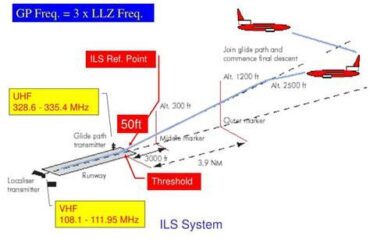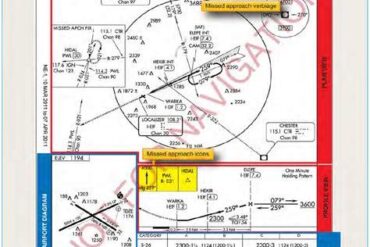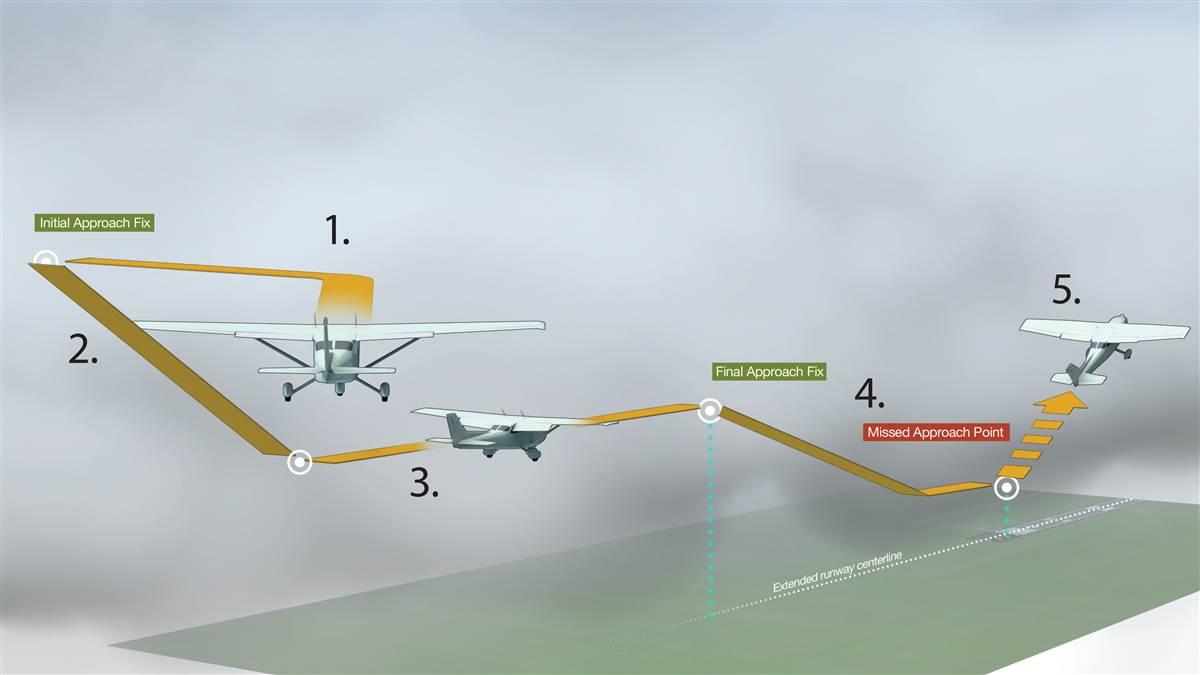
In instrument flying, the Missed Approach Point, or MAPt, is a key part of any approach procedure. It’s the specific point during an approach where a pilot must decide whether to continue to land or begin the missed approach. This decision is based on whether the required visual cues for landing have been seen. If not, the missed approach must start by or before this point to ensure safe terrain clearance.
The missed approach procedure is carefully designed to keep the aircraft clear of obstacles and other traffic. It takes place in a controlled section of airspace and includes two main parts: a climb and a horizontal movement. This horizontal movement could be a turn or simply continuing straight ahead, depending on the approach.
Pilots are generally expected to follow the published missed approach path exactly, unless they’re told otherwise by air traffic control or if an immediate safety concern requires a different action. The climb part of the procedure needs to begin at or above the Minimum Descent Altitude (MDA) or Height (MDH). In some situations, the climb may begin before reaching the MAPt, depending on what the pilot sees and decides at the time.
However, the turning part of the missed approach works a bit differently. If the pilot decides to go around before reaching the MAPt, the aircraft must stay on the current lateral path of the approach. It shouldn’t turn until it has passed the MAPt. Turning too early can put the aircraft at risk of hitting terrain or obstacles—a situation known as Controlled Flight Into Terrain (CFIT).
On the other hand, if the pilot reaches the MAPt and still doesn’t have the visual reference needed to land, then the full missed approach procedure should begin immediately. That includes any required turns, as specified in the procedure. Timing and precision are critical here to maintain safety and avoid conflicts.
In summary, the MAPt marks a crucial decision point during an approach. Whether the go-around is triggered just before or right at this point, following the proper sequence of climb and turn helps ensure a safe outcome.