The Vertical Speed Indicator (VSI) is an indispensable tool for pilots, whether flying under Visual Flight Rules (VFR) or Instrument Flight Rules (IFR). This instrument provides crucial information about an aircraft’s climb, descent, or level flight, allowing pilots to make quick, informed decisions about their altitude changes. But how exactly does the VSI work, and what are its key components? Let’s delve deeper into the workings of this essential tool.
What Is a Vertical Speed Indicator?
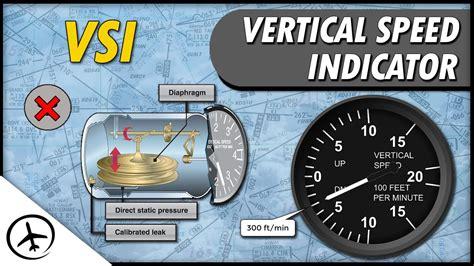
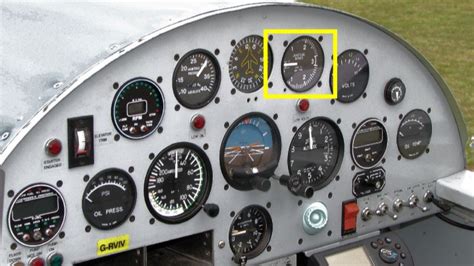
A Vertical Speed Indicator is designed to measure and display the rate of climb or descent of an aircraft. It does this by detecting changes in static pressure around the aircraft. The VSI needle moves in response to these changes, allowing pilots to see if they are climbing, descending, or flying level.
The VSI is powered entirely by the aircraft’s static air source, which is a remarkable feature as it does not require any external power, except for the natural pressure changes caused by the aircraft’s altitude adjustments. The VSI provides two crucial types of information to the pilot: trend information and rate information.
Key Components of the VSI
To understand how the VSI works, it’s important to explore its core components. Each part plays a vital role in its functionality. The main components include:
- Diaphragm: The diaphragm is a flexible metal container that is directly connected to the static air source. It is central to the VSI’s operation and responds to changes in static pressure by expanding or contracting.
- Calibrated Leak: A small hole connects the casing of the VSI to the static air source. This calibrated leak is designed to restrict airflow, creating a pressure differential between the diaphragm and the instrument casing. This differential is crucial for the VSI’s function.
- Gears and Rods: The diaphragm is connected to a system of gears and rods that move the VSI’s needle up or down, depending on the pressure differential.
These components work together to produce the visual climb or descent indication that pilots rely on.
How Does the VSI Work?
The VSI operates based on differential pressure created by changes in the static pressure surrounding the aircraft. Let’s break it down step-by-step:
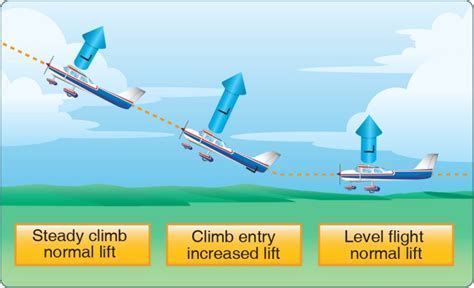
- Climbing: As an aircraft begins to climb, the static pressure around the aircraft decreases. The diaphragm inside the VSI responds to this change by expanding. However, the static air source inside the instrument casing is slowed by the calibrated leak, meaning it doesn’t adjust as quickly as the diaphragm. This creates a pressure differential between the diaphragm and the casing, which in turn causes the diaphragm to contract and move the VSI’s needle upwards.
- Descending: The opposite occurs during a descent. The static pressure around the aircraft increases, and the diaphragm contracts. The calibrated leak inside the casing allows the air to escape more slowly, again creating a pressure differential, but in the opposite direction, which forces the needle to move down.
This pressure differential is what powers the movement of the VSI’s needle and gives pilots immediate feedback about their aircraft’s vertical speed.
Trend vs. Rate Information
One unique aspect of the VSI is its ability to show both trend information and rate information. Understanding the difference is essential for pilots.
- Trend Information: When a pilot first begins a climb or descent, the VSI needle will move but may not immediately provide the rate of climb or descent. Initially, the needle provides trend information, indicating the direction of movement—whether the aircraft is climbing or descending. This trend information gives pilots an immediate sense of whether their altitude is changing, but it doesn’t provide the rate at which the change is occurring.
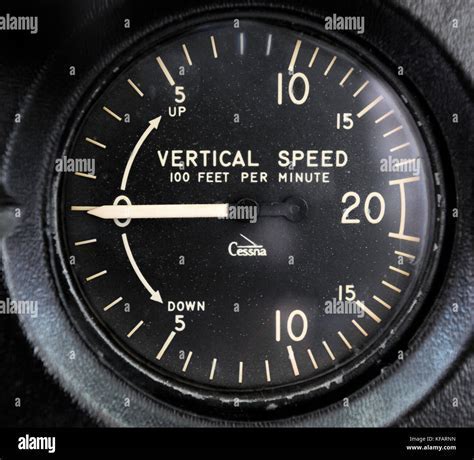
- Rate Information: After a few seconds, as the air pressure inside the instrument casing catches up with the changes, the VSI needle stabilizes. At this point, the VSI provides rate information, which tells the pilot exactly how quickly the aircraft is climbing or descending, typically measured in feet per minute (fpm). This delay is due to the calibrated leak, which restricts the airflow and causes a brief lag in the instrument’s response to rapid changes in altitude.
Advantages of the VSI
The Vertical Speed Indicator is an incredibly valuable tool in flight for several reasons:
- Quick Feedback: The VSI provides immediate feedback about whether the aircraft is climbing or descending, which is essential for maintaining proper altitude and following air traffic control instructions.
- Simple Design: The VSI is mechanically simple and relies entirely on the aircraft’s static air pressure, which means it doesn’t require any additional electrical systems or external power sources to operate.
- Safety: Accurate VSI readings allow pilots to make adjustments as necessary, helping to prevent altitude deviations and maintain situational awareness, especially in busy airspaces.
Why the VSI Is Essential for Pilots
For both VFR and IFR pilots, the Vertical Speed Indicator is an indispensable tool. It allows pilots to stay informed about the aircraft’s vertical movement, ensuring they remain within safe altitude limits. This is particularly important in controlled airspace, during approach and departure procedures, and when flying in instrument meteorological conditions (IMC), where visual references are limited.
The VSI helps pilots avoid inadvertent altitude deviations, which can lead to dangerous situations. By constantly monitoring the VSI, pilots can make fine adjustments to their climb or descent rates to stay on course and ensure a safe flight.
Limitations of the VSI
While the VSI is a highly effective tool, it does have some limitations:
- Lag in Response: As mentioned earlier, the VSI takes a few seconds to stabilize after the aircraft starts climbing or descending. This can make it challenging to accurately gauge the rate of climb or descent in real-time.
- Static Pressure Dependency: The VSI relies entirely on changes in static pressure. As a result, it may not be as accurate in certain situations, such as when the aircraft is flying at high speeds or in extreme altitudes where pressure changes are less noticeable.
Despite these limitations, the VSI remains a crucial instrument for pilots, offering critical information in a format that is easy to interpret.
Conclusion
In summary, the Vertical Speed Indicator (VSI) is an essential instrument that provides valuable data to pilots about their aircraft’s climb or descent rate. By relying on the changes in static air pressure, the VSI gives pilots immediate trend information and, after a brief delay, accurate rate information. Though it has some limitations, the VSI is a vital tool that ensures pilots can maintain safe and controlled altitude changes throughout their flight.
Whether you’re climbing to your cruising altitude or descending for an approach, the VSI is an indispensable instrument that helps pilots make informed, timely decisions. Without it, navigating the skies would be much more difficult, and maintaining proper altitude would be significantly more challenging.