Part 61 Instrument Requirements define the essential foundation for pilots aspiring to operate under Instrument Flight Rules (IFR). These requirements, laid out by the Federal Aviation Administration (FAA) under 14 CFR § 61.65, ensure that applicants acquire the knowledge, skills, and experience necessary to operate safely in low-visibility and controlled airspace environments. In this guide, we break down each critical component of the regulation to deliver a comprehensive understanding of what it takes to obtain an instrument rating under Part 61.
Eligibility Criteria for Instrument Rating
To begin with, a candidate must meet several baseline qualifications before progressing to flight or knowledge training. These include:
-
Holding a current Private Pilot Certificate, or applying concurrently for one, with an appropriate category and class rating (airplane, helicopter, or powered-lift).
-
English language proficiency, encompassing the ability to read, write, speak, and understand English, unless medically exempted.
-
Logbook endorsements from authorized instructors, affirming readiness for both the knowledge and practical tests.
These prerequisites ensure that applicants possess the basic foundational skills and certifications needed for advanced instrument training.
Ground Training and Aeronautical Knowledge Areas
The theoretical aspect of training is pivotal. Pilots must complete ground instruction from an FAA-authorized instructor or through a certified home-study program. This academic segment covers ten critical knowledge areas:
-
IFR-related Federal Aviation Regulations (FARs)
-
IFR procedures and guidance from the Aeronautical Information Manual (AIM)
-
Air Traffic Control (ATC) protocols for instrument operations
-
Navigation systems including VOR, GPS, and RNAV
-
IFR en route and approach chart interpretation
-
Weather theory and aviation weather services, with a focus on trend prediction and critical condition recognition
-
IFR aircraft operations, emphasizing safety and efficiency
-
Wind shear and hazardous weather avoidance
-
Aeronautical decision-making and risk assessment
-
Crew resource management (CRM) for multi-crew operations
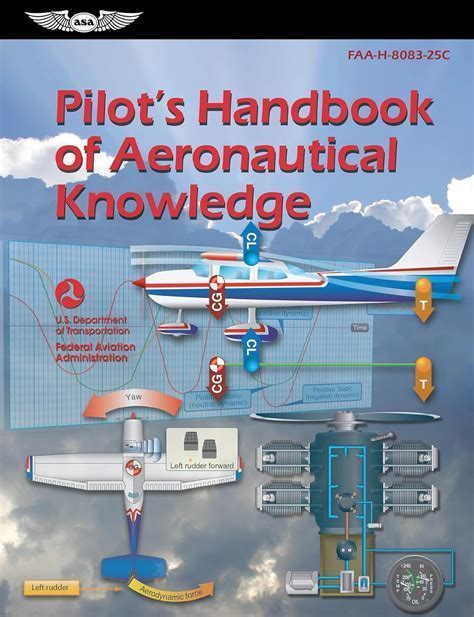
Mastery of these topics is confirmed through a FAA knowledge test, also known as the Instrument Rating Airman Knowledge Test, which must be passed before the applicant is eligible for the practical examination.
Flight Proficiency and Simulator Training
Equally vital is the demonstration of flight proficiency, which includes hands-on training in:
-
Preflight preparation and procedural checks
-
Clearance interpretation and ATC communication
-
Instrument-based flight control and navigation
-
Approach procedures using various navigation aids
-
Handling abnormal and emergency scenarios under instrument conditions
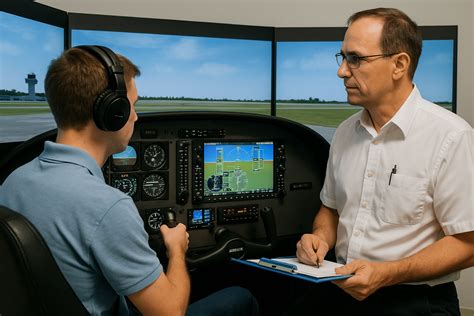
Applicants can receive this training in aircraft, full flight simulators, or flight training devices (FTDs) that represent the aircraft category and class.
Required Instrument Time
For instrument-airplane, helicopter, or powered-lift ratings, the required flight experience includes:
-
50 hours of cross-country PIC time, with at least 10 hours in the category/class sought.
-
40 hours of actual or simulated instrument time, of which 15 hours must be logged with an instructor certified in that instrument category.
-
3 hours of instrument training in the appropriate aircraft within 2 months of the practical test.
-
A structured IFR cross-country flight with these characteristics:
-
Minimum 250 nautical miles for airplane and powered-lift, or 100 NM for helicopters
-
Filing and flying under IFR flight plan
-
Instrument approach at each airport visited
-
Three different types of approaches using varied nav systems
Practical Test Requirements
The Instrument Rating Practical Test, commonly known as the checkride, evaluates the pilot’s capability in executing all aspects of IFR flight. Conducted by a Designated Pilot Examiner (DPE) or FAA inspector, the checkride assesses:
-
Precision instrument maneuvers
-
Navigation performance
-
ATC interactions
-
Decision-making in IFR scenarios
-
Postflight procedures and debriefing
The practical test can be completed in either:
-
An actual aircraft, appropriate to the rating sought
-
A full flight simulator or FTD, with specific limitations on instrument approaches (typically one precision and one nonprecision) unless approved for expanded procedures
Training Flexibility and Credit Options
Combined Certificate Credit
Applicants pursuing a combined private pilot certificate and instrument rating may credit up to:
-
45 hours of cross-country PIC time with an instructor for airplane/powered-lift
-
47 hours for helicopter
This provision reduces redundancy, enabling streamlined progression for integrated training programs.
Use of Simulation Devices
FAA Part 61 offers structured flexibility for simulation-based training. Instrument time may be accumulated as follows:
-
Up to 30 hours in a full flight simulator or FTD if operated under Part 142
-
Up to 20 hours if not under Part 142
-
10 hours in a Basic Aviation Training Device (BATD)
-
20 hours in an Advanced Aviation Training Device (AATD)
Regardless of method, no more than 20 total hours from simulators or devices (excluding Part 142) may be credited toward the 40-hour instrument training requirement.
Special Conditions and Limitations
In rare cases where the applicant is unable to meet the English language requirement due to a medical condition, the FAA Administrator may place operational limitations on the certificate, tailored to ensure safe aircraft operations.
Also, simulator-based approaches must be explicitly authorized for the procedures practiced, particularly if they’re being used for credit toward the practical test.
Conclusion
The Part 61 instrument rating requirements reflect the FAA’s commitment to ensuring that pilots flying in the instrument environment are well-prepared, deeply knowledgeable, and flight-proficient. These regulations promote safety, standardization, and operational competency. By combining theoretical knowledge, practical training, and flexible use of simulation technologies, the system accommodates diverse learning paths while upholding rigorous aviation standards.
FAQs
What is the difference between Part 61 and Part 141 for instrument training?
Part 61 offers a flexible, personalized training approach where flight instructors operate independently. Part 141, by contrast, is a structured flight school curriculum approved by the FAA. Part 141 requires fewer flight hours due to its rigor and standardization.
Can I take the instrument rating practical test in a simulator?
Yes, but with limits. The simulator must be FAA-approved for the specific approach types used during the checkride. Only one precision and one nonprecision approach may be credited unless the simulator is authorized for more.
How long does it take to get an instrument rating under Part 61?
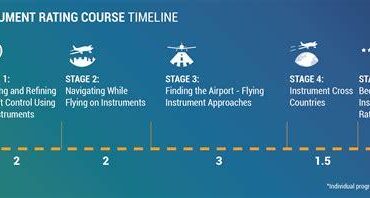
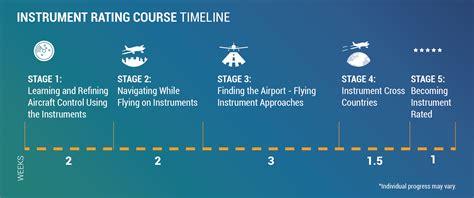
The timeline varies based on individual availability and weather, but most applicants complete training within 2–6 months. This includes 50 hours PIC cross-country, 40 hours instrument time, and passing the knowledge and practical tests.